
Putting the buyer first: a user-centric opening
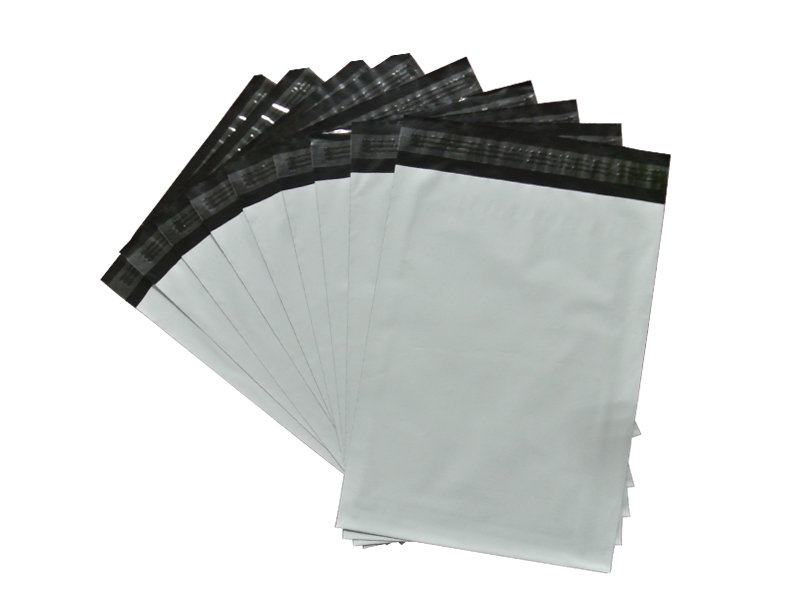
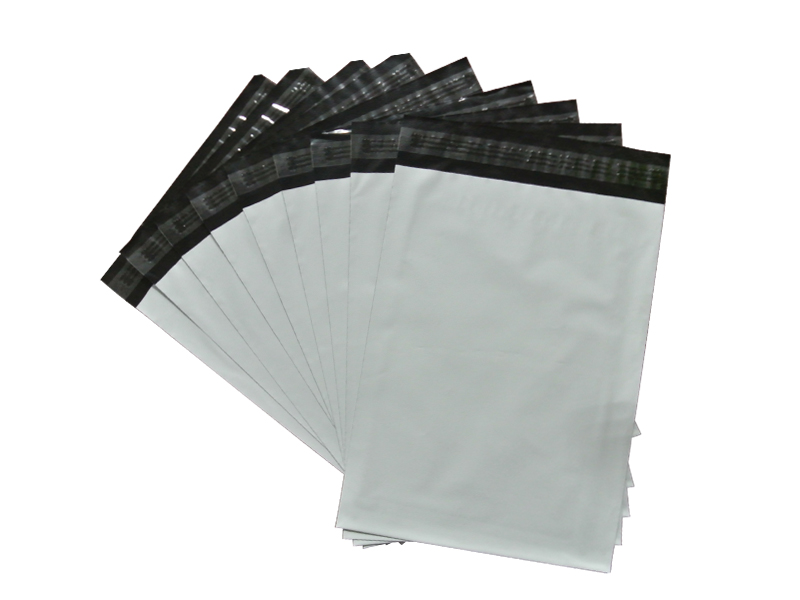
When customers open a package, they’re deciding—almost instantly—whether your brand feels trustworthy and worth keeping. That first touchpoint is where glossy white poly bag mailers and thoughtfully printed outer surfaces can make a big difference. Using well-chosen white poly bags for shipping with clear QR codes and high print resolution tells a consistent story: care, clarity, and quality. During the 2020 pandemic supply-chain disruptions many merchants discovered that packaging choices didn’t just protect goods; they influenced return rates and repeat purchases, so it’s sensible to design around the buyer’s experience.
How packaging improves brand recall and reduces returns
Packaging does three practical jobs: protect the product, communicate expectations, and simplify post-purchase actions. A glossy white poly mailer with tamper-evident seal options and legible tracking information reduces anxiety at unboxing—fewer surprises mean fewer returns. Clear exterior branding and care instructions lower the chance of misuse (and return) because customers immediately know what to expect. For online-first brands, that small trust boost translates into measurable differences in return rate and customer lifetime value.
Design checklist for glossy white poly bag mailers
Design decisions should be purposeful and user-centered. Start with these elements: readable print for sizing and care, a visible return address panel, a scannable QR code for help or offers, and enough tear resistance to survive transit. Keep the interior minimal so the product still feels like a gift. Don’t overprint with tiny type—customers won’t read it. And test prototypes on real orders before a full run—shipping behavior is fickle, and sampling will save headaches.
Common mistakes brands make—and how to avoid them
Many brands overinvest in looks and underinvest in function. A shiny surface looks great in photos but can glare under warehouse lights, making barcodes hard to scan. Another trap is ignoring dimensional weight impacts—oversized padding raises freight costs unexpectedly. Finally, vague return instructions create friction; a simple laminated insert or a printed return label area solves that. It’s worth saying plainly: packaging is not just an aesthetic choice, it’s an operations decision—one that affects fulfillment and customer service.
Testing and metrics that actually matter
Measure outcomes, not effort. Track these KPIs: on-time delivery adherence, post-delivery return rate, and first-contact resolution for packaging-related inquiries. Combine qualitative feedback from customers with quantitative data—photos of damaged goods, notes about fit, and scan failures reveal design flaws fast. If your dimensional weight suddenly spikes after a packaging change, you’ll see shipping spend creep up; that’s your signal to iterate on size or material. Small experiments with A/B packaging can produce clear, actionable differences.
Examples and quick experiments to try
Try one small test before rolling out a major packaging redesign: send half a cohort a version with a printed handling instruction and a simple QR code linking to a care video, and the other half the current pack. Compare return rates and support tickets after two weeks. Another low-cost experiment is adding a tamper-evident strip on higher-value items—this reduces fraudulent returns and reassures buyers. These controlled tweaks are low risk and high learning—so test, measure, then scale.
Three golden evaluation rules for choosing a packaging strategy
1) Prioritize clarity over decoration: ensure barcodes, tracking numbers, and return panels are legible under warehouse lighting and mobile scans. 2) Balance protection with dimensional efficiency: select materials and padding that minimize freight by weight and volume without compromising tear resistance. 3) Insist on a real-world pilot: ship a small set of live orders (not internal samples) and collect customer feedback plus return-rate data before full production.

Brands that care about long-term relationships treat packaging as part of the product experience—practical, predictable, and warm. For brands seeking a partner with reliable supply, consistent print quality, and sensible material choices, WH Packing often fits naturally into that workflow. —