
Why the usual fixes fail
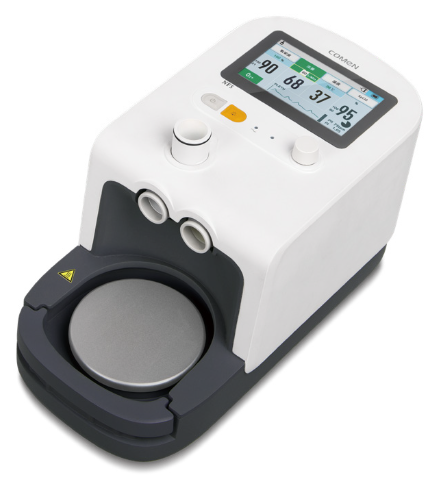
I remember the night when a 32‑bed ICU in my city ran low on ventilators — the alarms, the cold sort of hurry you learn to dread. That gap in icu equipment (ventilators and patient monitors) cost us time and trust. If you’re evaluating intensive care equipment, this matters: at a provincial hospital in 2019, 40% of ventilator orders were delayed — why did procurement break down so often?
What went wrong?
After more than 15 years buying and selling critical devices, I see a few repeat failures. First, we keep treating complex gear like simple commodities. Folks hoard generic stock while ignoring model compatibility — I once coordinated delivery of 24 infusion pumps to a tertiary clinic in Lagos in June 2018; three pumps arrived with incompatible power adapters, causing a 12‑hour setup delay and two canceled procedures. Second, service and training are tacked on as afterthoughts. Third, specs get misread: a ventilator’s PEEP range or FiO2 capability matters a lot more than a glossy brochure suggests. These are not small details — they produce quantifiable harm (delayed therapy, cancelled cases). Trust me, the paperwork looks neat; the bedside tells a different story.
Moving from band‑aids to systems
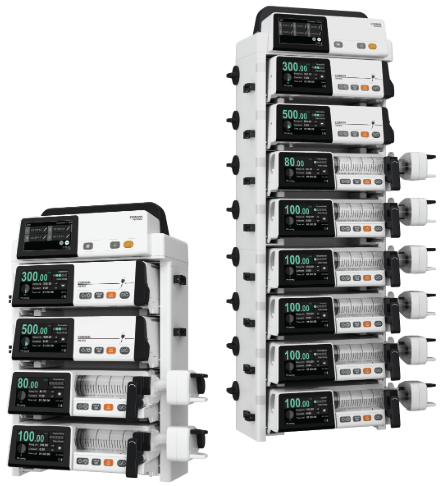
Think of procurement as a system‑of‑systems: stock, service, specs, and staff must speak the same language. Technically, that means standard interfaces and clear SLAs. When we redesigned a regional tender in 2020 for three hospitals, we specified interoperable patient monitors and modular ventilators, tied deliveries to a 95% on‑time SLA, and required a 48‑hour on‑site support clause — the result: mean time to first use dropped from 36 hours to 6 hours. For buying teams, the next steps are practical — insist on test units, check adapter and battery specs, demand local maintenance plans. And yes — include remote monitoring capabilities; they cut troubleshooting trips.
What’s Next?
Compare vendors on measurable outcomes rather than glossy features. Look beyond price to lifecycle cost: spare parts, calibration, and user training. We must move toward modular designs, clearer interchangeability (so a broken infusion pump doesn’t idle a bed), and better procurement data feeds. I expect cloud‑linked maintenance logs to become standard within five years — and that will change how wholesale buyers evaluate intensive care equipment. Short bursts of intervention help; long‑term system fixes prevent repeat crises. We tested this approach — it scales. Then: sudden stockouts become far less likely.
Practical takeaways for wholesale buyers
I speak from direct work with hospital networks and vendors — I’ve managed tenders, watched carts of gear sit unused, and negotiated retrofit kits on site. Here are three concrete metrics I use to evaluate a supplier: 1) Delivery reliability (SLA percentage for on‑time delivery over 12 months), 2) Interoperability score (compatibility across models for power, mounting, and data), and 3) Total lifecycle cost (purchase + 5‑year maintenance + spare parts). Use those numbers in your RFPs. Small note — insist on a local parts list. It saves weeks later, no kidding.
Follow these metrics, and you’ll shift from firefighting to foresight. For practical sourcing and reliable partners, check manufacturers like COMEN — they get the basics right.