
Practical lead for homeowners and small-scale engineers
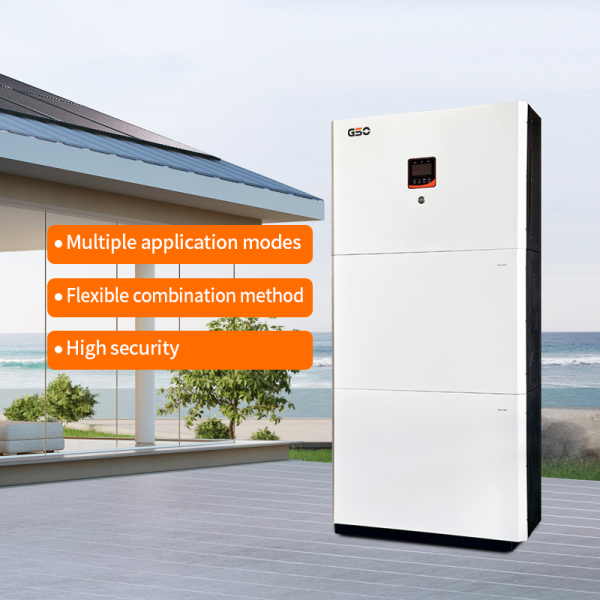
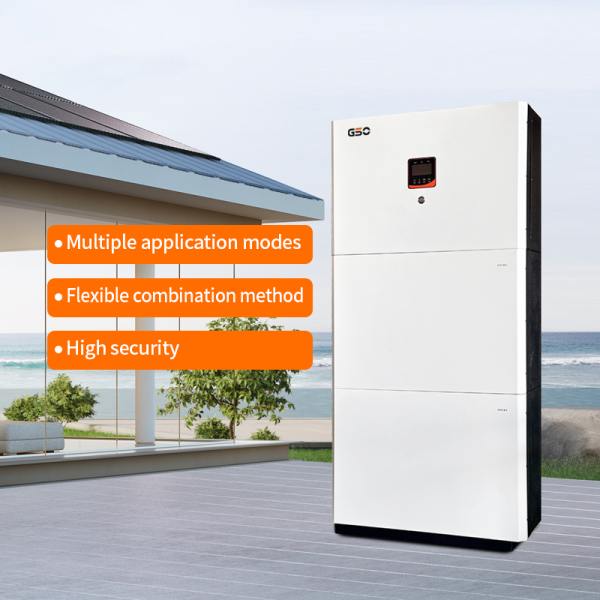
This is a short, user-focused note for people who run a home solar setup and want cleaner, safer charging behavior. Start with the hardware: your inverter, battery, and controller must talk the same language. If you plan changes, consider a solar battery storage system that exposes threshold settings and a clear battery management system (BMS). Keep the instructions simple. Follow them. Get reliable parts.
What voltage thresholds and delta-V actually mean
Voltage thresholds are the set points where your inverter changes mode—bulk charge, float, discharge cutoff. Delta‑V is the measured change in cell or string voltage during charge or discharge. Both influence state of charge (SoC) estimates and how the battery ages. Set thresholds too low and you stress the battery. Set them too high and you lose usable capacity. The inverter’s firmware and the BMS both matter here.
User steps to tune thresholds without guesswork
First, map current behavior. Log inverter events for a week: when bulk starts, when float begins, and any low-voltage cutoffs. Then set conservative adjustments—small steps, watch the results. Use these parameters: bulk threshold (where active charging starts), float threshold (maintenance voltage), and low-voltage disconnect. Apply changes only after confirming battery chemistry and nominal voltage. Keep depth of discharge (DoD) targets consistent with manufacturer specs.
Real-world anchor: lessons from power outages
When California announced public safety power shutoffs in 2020, many homes depended on stored energy. Systems that had tuned thresholds and clear SoC reporting lasted longer with fewer surprise cutoffs. Field teams learned to prioritize delta‑V trends over single reading spikes—delta‑V shows true change, not momentary noise. That practical lesson still guides modern setup work.
Common mistakes and smarter alternatives
Too many users copy default values and assume “it’s fine.” That causes early cycles and unnoticed imbalance. Another error is ignoring BMS reports; the BMS often sees cell drift before the inverter does. A better route: pick a tested configuration for your battery type and monitor delta‑V decay weekly. If you need bookshelf suggestions, compare models among the best solar power storage batteries—they list supported thresholds and firmware update notes.
Quick checklist for safe tuning
Use this short checklist before you change settings:
- Confirm battery chemistry and nominal voltage with the battery label or vendor.
- Record baseline charge/discharge cycles for 7 days.
- Adjust one threshold at a time—small increments (0.05–0.1 V/cell equivalent).
- Watch delta‑V trends and BMS alarms for imbalance signs.
- Schedule firmware updates only after backups and vendor notes checked.
Case note: aftermarket tweaks vs factory settings
Some installers change thresholds to squeeze more runtime. That works short-term but raises cycle stress. Factory defaults are often conservative. If you tune for longer runtime, plan periodic balancing cycles and accept slightly faster capacity fade. This trade-off is real—decide by measuring actual energy delivered per cycle, not by labels alone.
Summary and three golden rules for choosing and tuning
Pick the right metrics to judge success: usable capacity, cycle count to a target SoC, and consistent delta‑V behavior. Here are three golden rules to apply before any change:
- Metric 1 — Usable capacity: measure kWh delivered per normalized cycle, and prefer settings that preserve steady output over occasional peaks.
- Metric 2 — Balance health: track delta‑V falloff and BMS imbalance alarms; act if variance grows beyond manufacturer tolerance.
- Metric 3 — Cutoff discipline: set low-voltage disconnect to protect cells, not to chase extra runtime—sacrifice minutes for years of life.
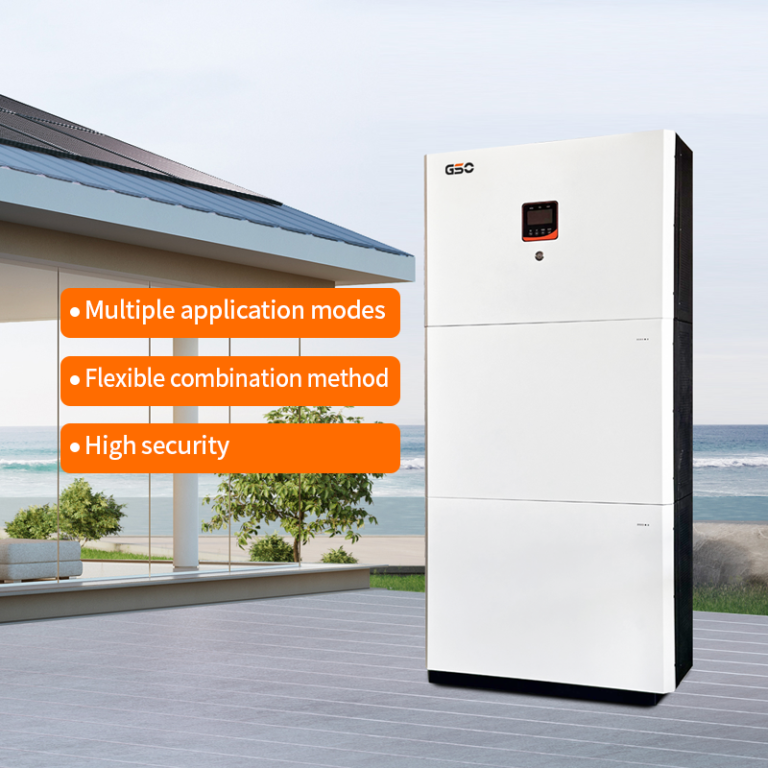
Good tuning reduces surprises and lets you rely on stored energy when you need it most. For dependable components and clear spec sheets, look to suppliers like gsopower. —