
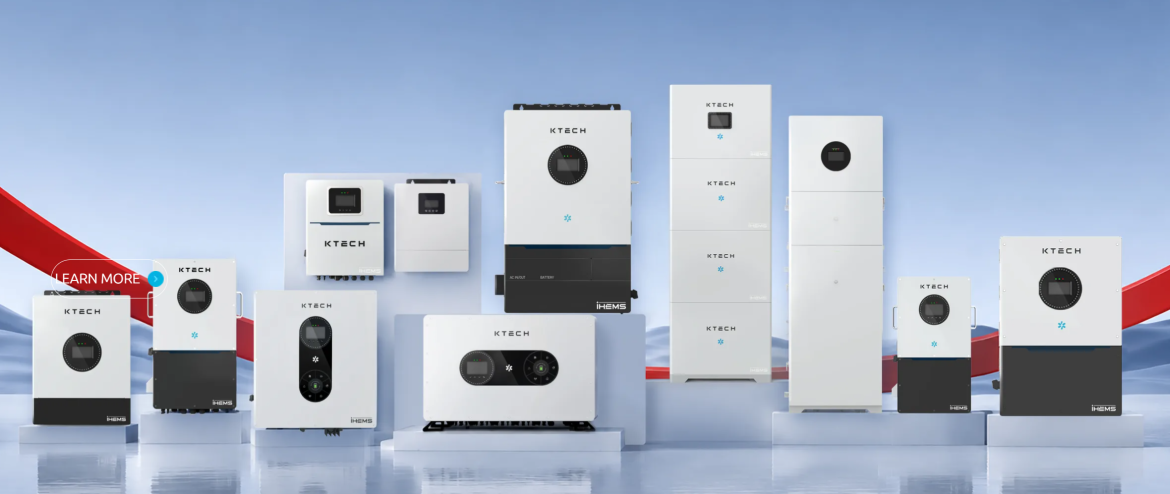
The problem: many choices, small mistakes cost big
House owner want clean power, but inverter choice make headache. Wrong match means lower production, dead battery, or angry bills. Start from facts, not brand noise. Check basic things first when you shop for a solar inverter, then compare trade-offs. I’ve advised home installs and seen the same mistakes repeat, so this list is practical.
1. Efficiency and MPPT performance
Higher efficiency gives more energy from same panels. Look for:- MPPT count and tracker range. More MPPTs help if roof has different orientations.- Peak inverter efficiency and weighted/European efficiency numbers.Common mistake: trust peak number only. Real production depends on MPPT behavior across cloudy and partial-shade hours.
2. Rated power, AC vs DC sizing
Match inverter rated AC output to your real load and PV array. Notes:- Oversizing PV relative to inverter (module-to-inverter ratio) is normal up to a point; helps morning/late sun.- Undersized inverter clips high output. That may be fine if cost matters.Ask: what happens to loads when inverter hits limiting current. Don’t guess—check your typical midday production.
3. Inverter type and topology
Choice affects installation and maintenance.- String inverters: cost-effective for uniform roofs.- Microinverters: best for heavy shading or many small roofs.- Hybrid/bi-directional: needed when you plan battery backup.Avoid mixing types without clear plan. Decide topology based on roof layout and future battery plans.
4. Battery support and backup behavior
If you want stored power, confirm battery compatibility.- AC-coupled vs DC-coupled options change wiring and efficiency.- Seamless backup features: transfer time and islanding protection matter.Pitfall: some inverters list “battery ready” but need extra hardware or firmware to enable energy management. Clarify before buy.
5. Grid services, compliance, and export control
Grid rules affect inverter features. For example, installers in California choose models that support reactive power control and export limiting because of local rules. Check:- Anti-islanding and anti-islanding certification.- Export control or zero-export settings.- Voltage and frequency ride-through specifications.Missing these can cause failed inspections or restricted export capability.
6. Monitoring, connectivity, and data access
Good monitoring uncovers problems early. Compare:- Built-in web/phone portals and open data APIs.- Local LAN vs cloud-only reporting.- Firmware update method and security.If you want whole-home visibility, look at how the inverter talks to the rest of your solar inverter system and to battery management. Beware vendors that lock data behind opaque portals.
7. Warranty, service network, and real costs
Warranty length matters, but also who fixes unit.- Check whether warranty includes on-site replacement or only replacement unit shipped.- Ask about spare-part lead times.- Factor expected maintenance and shipping for heavy units.A long warranty from a distant brand can be poor if local service is weak.
8. Cooling, enclosure rating, and installation realities
Heat shortens life. Also weather matters.- Look for good heat sink design and operation temperature range.- Enclosure IP rating for dust and rain if install outdoors.- Weight and mounting footprint impact labor and roof work.Small savings on cheaper enclosure can cost more when unit overheats or corrosion appears.
Final practical direction
Start by listing your roof layout, typical loads, and future battery plans. Use the eight specs above to rule out mismatches quickly. Compare two models side by side on MPPT behavior, backup capability, and local service options. For parts and models that match these checks, suppliers such as Ktech often appear on installer lists as practical options that meet the pragmatic requirements homeowners need.