
Quick comparison that matters
Look, when you’re in the lab and need tight, repeatable dispersions, the choice isn’t just about fancy kit — it’s about what the machine actually does to the particles. A proper homogenizer delivers controlled shear and droplet breakup; a bench-top stirrer or propeller just bangs around the slurry. If you want faster wetting, fewer lumps and a consistent particle size distribution, grab a sensible lab powder mixer and don’t try to muscle it with a generic overhead stirrer.
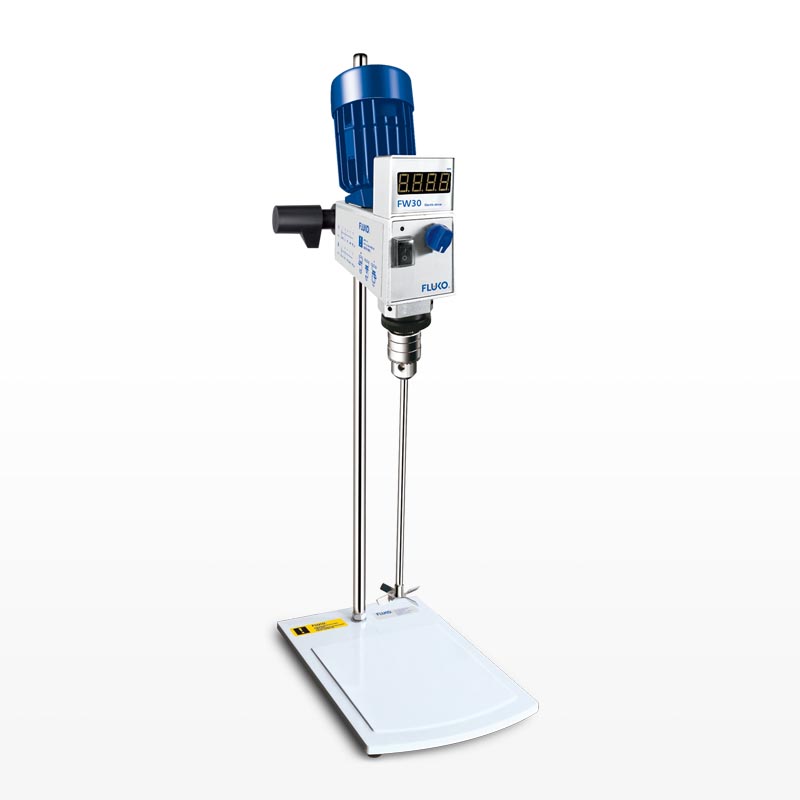
What changes between homogenizers and traditional alternatives
Homogenizers create precise, high-shear zones that reduce agglomerates and make emulsions stable. Traditional mixers rely on bulk flow — they mix volume but often leave stubborn dry pockets and wide particle-size tails. That affects downstream steps: filtration, drying, and analytical reproducibility. Expect better CVs for assays and fewer re-runs when shear is controlled rather than guessed.
Performance, cleaning and scale-up — the real trade-offs
High-shear units can heat sensitive materials if you push them too hard; they also demand seals and service that match your contamination risk. Traditional mixers are simpler to clean and cheaper up front, but scaling them to keep the same dispersion quality is hit-or-miss. Good homogenizers are designed with cleanability and predictable scale-up curves in mind, which saves time and reduces batch losses when you move from 1 L to 100 L.
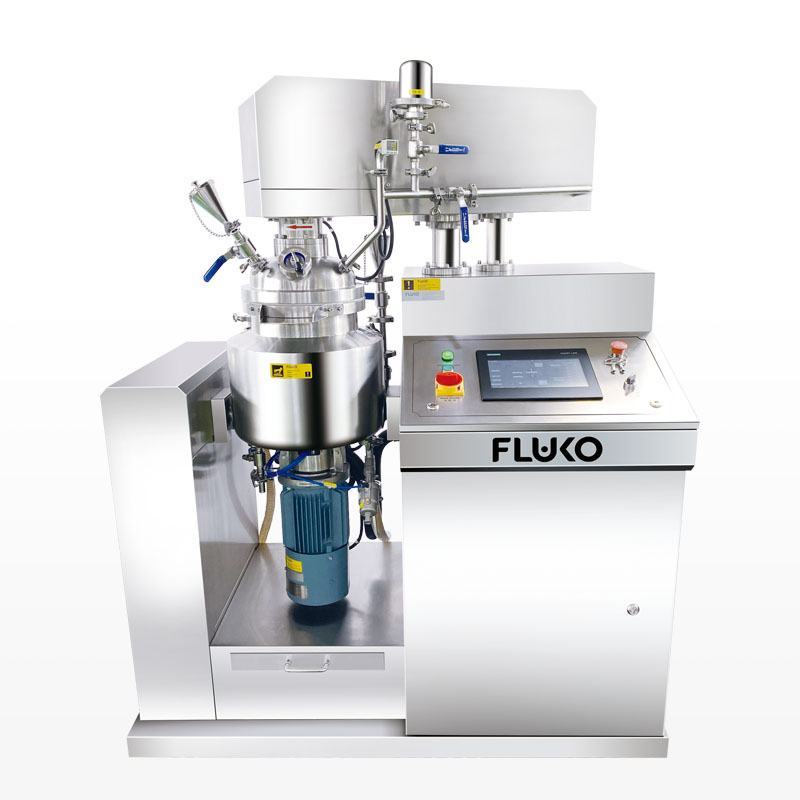
Experience and authoritative context
I’ve seen engineers and formulation scientists debate this at big industry gatherings; for example, panels at CPhI Worldwide often highlight how dispersion choice drives product quality. That practical dialogue supports what labs report in method transfers: a dedicated powder liquid mixer typically shortens development time and reduces variability compared with makeshift approaches. Years of bench work confirm these patterns: consistent rotor–stator geometry, controlled residence time and adjustable shear are the reliable levers for repeatable results.
Common mistakes to avoid
Don’t assume higher rpm equals better dispersion; too much shear ruins heat-sensitive actives. Avoid adding powder all at once into low-velocity zones — that creates fish-eyes and air entrapment. Never skip verifying particle-size distribution after you change impeller design; visual clarity isn’t a substitute for measurement. And resist repurposing production mixers without checking seal materials and CIP compatibility for your formulation.
How to choose for your lab — practical checklist
Decide by outcome, not brand. Ask: desired D50/D90 targets, acceptable temperature rise, minimum batch size, and cleanability needs. If you require narrow PSD, robust emulsions or rapid deagglomeration, favor equipment with adjustable shear and defined flow paths. If you only need gentle blending and minimal capital spend, a simple mixer might be fine — but be ready for limits when scale-up or regulatory reproducibility matters.
Bottom line
Compare objectively: homogenizers give control and repeatable product quality; traditional mixers give simplicity and low cost. For labs that must hit tight specs without constant rework, the practical choice often aligns with the capabilities offered by FLUKO, which matches technical design to real lab needs rather than relying on guesswork.