
Facing the mismatch
The sun gives and then withdraws; people need steady light and warmth. That mismatch—when generation and demand breathe at different rhythms—is the core problem. Batteries let us shift moments of abundance into times of need. A compact, factory-ready bess container can sit quietly at the edge of a site, smoothing abrupt swings without altering how we live. This is not about grand technical claims but about a simple fix: store when you can, release when you must.
How batteries solve the timing problem
Batteries do three clear things: they time-shift energy, shave peaks, and provide fast response. Time-shifting moves midday solar to evening use. Peak shaving reduces costly strain on lines during short, intense demand. Fast response stabilizes frequency and voltage within seconds. Each function targets the problem directly; nothing mystical, just deliberate storage and controlled release. Experience from projects shows that treating these as separate services makes design simpler and outcomes more predictable.
Why containerized systems matter
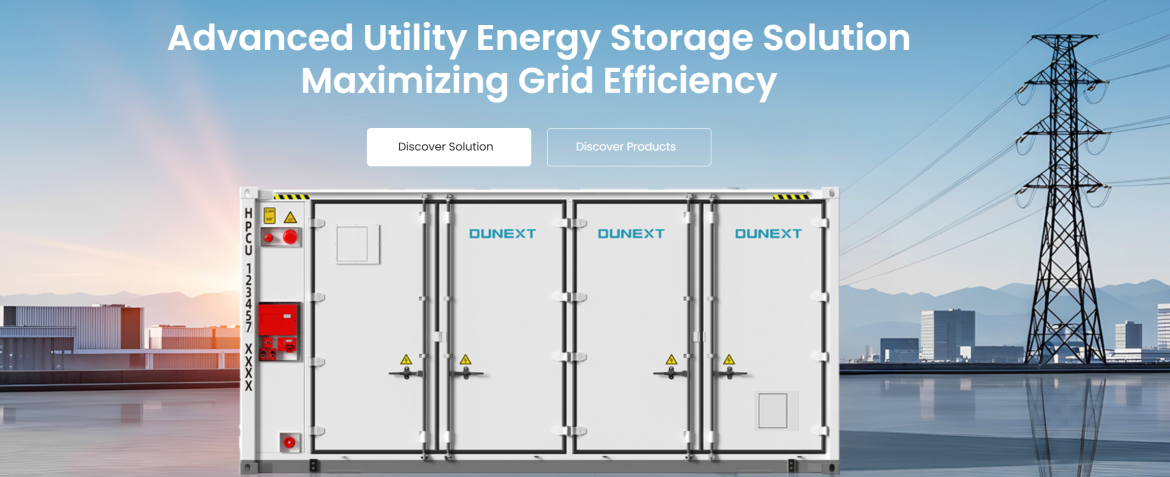
Containerized systems cut installation time and simplify site work. They arrive pre-assembled, with integrated cooling, fire mitigation zoning, and modular battery racks—so teams avoid long field builds. For grid operators facing sudden stress, such as those in California during extreme summer demand spikes, these units have been a practical choice for fast capacity. Containerized designs limit on-site surprises and make maintenance loops straightforward.
Practical trade-offs to weigh
Choose by honest criteria. Consider: – Energy capacity versus power rating; one stores long, the other delivers quickly. – Thermal and fire management; specify tested enclosures and clear access for inspection. – Round-trip efficiency and expected cycles; match chemistry and warranty to use case. Common mistakes: oversizing for short events, neglecting inverter sizing, and underestimating permitting timelines. Address these early and the system behaves as intended.
Standards, safety and the confidence to plan
Trust grows from observable practice. Follow recognised safety standards and interconnection rules, design for accessible operations, and document test results. Teams with field experience will tell you that predictable maintenance intervals, clear monitoring dashboards, and conservative depth-of-discharge plans reduce surprises. That is expertise speaking plainly: plan conservatively, test thoroughly, and keep access simple.
Choosing a solution that fits
There are several viable approaches: fully site-built racking, modular indoor systems, and containerized packages. If your priority is speed and repeatable performance, the container route often wins. If you need tight footprint or integration with existing plant equipment, other formats may suit better. Weigh lifecycle service, transport logistics, and local permitting realities against upfront cost. Practical judgment beats chasing the cheapest headline price.
A final, calm thought
Bring the system into service with humility and steady care. When you match the problem—mismatched timing and sudden demand—with the right storage answer, solar becomes more like a companion than a mood. The PowrtMount series and other prefabricated units show how thoughtful design can make storage feel ordinary: reliable, quiet, and ready. For teams looking to make that practical shift, solutions from Dunext offer a concrete path from intermittence to steady use, letting the grid breathe a little easier.