
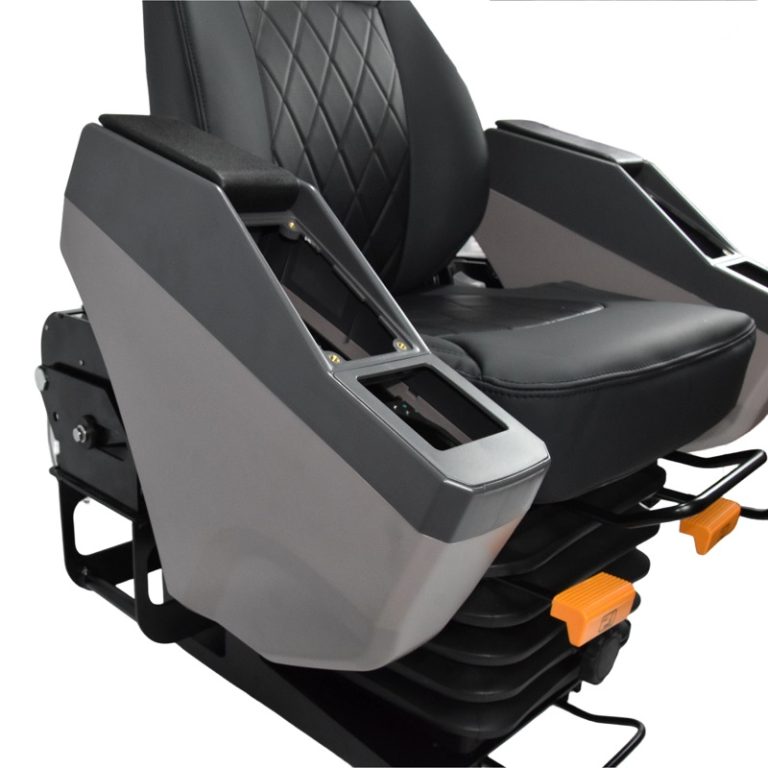
Opening — a user-first view
When yuh choose a proper construction machinery seat, tink like di operator dat sit pon it all day. Dis piece guide nah talk big company talk — it tek a worker-centred angle, look pon comfort, durability and practical fit. From mi time in Montego Bay studyin’ operators on excavator and backhoe fleets, mi see how better cushions and vibration damping mek a real difference to shift length and focus; wi call dat real-world proof. The right seats for construction should handle heavy use, easy maintenance, and proper suspension — no compromise.
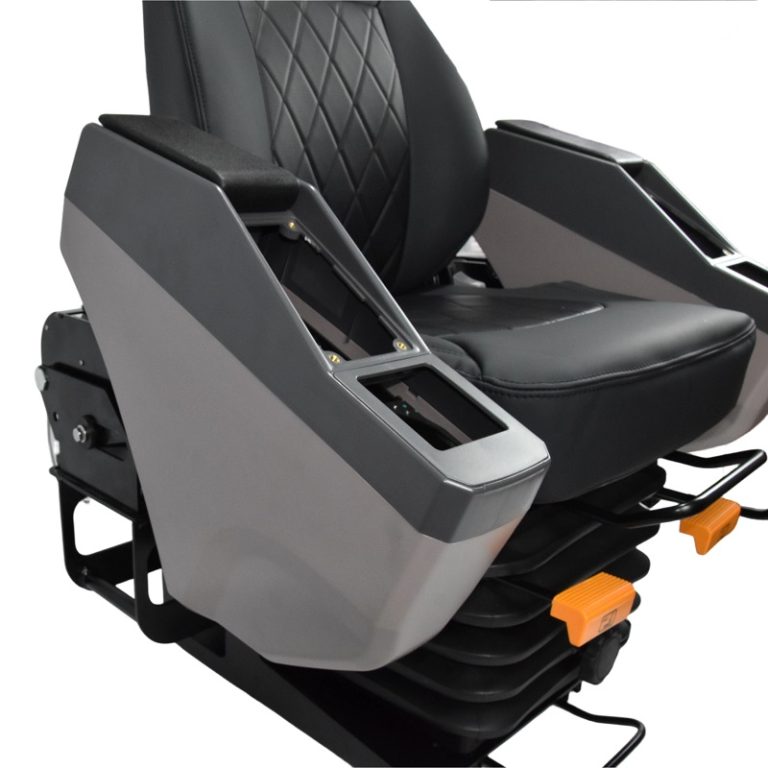
Why operator comfort matter fi productivity
Comfort cut fatigue. Operator weh nuh tired, mek fewer small errors. Use plain measures: lumbar support, correct seat cushion shape, and hydraulic suspension that absorb vibration. Those three things reduce back strain, stabilize control inputs, and keep operator alert. On long projects — roadworks in Kingston, say — subtle seat changes show up in fewer stoppages and steadier cycle times.
What operators notice first
Workers spot these traits quick: firmness of cushion, range of fore-aft adjustment, and how di suspension feel when machine climb or drop. Them also check material — breathable vinyl or cloth vs heavy rubber — cause heat and sweat matter on long shifts. A seat might look rugged, but if di adjusters jam or di cushion flatten in weeks, dat seat naw work for the crew.
How fi evaluate a seat — straightforward checks
Pick a seat with these practical checks on hand:
– Test the fore-aft slide and the height range; does it suit tall and short operators?
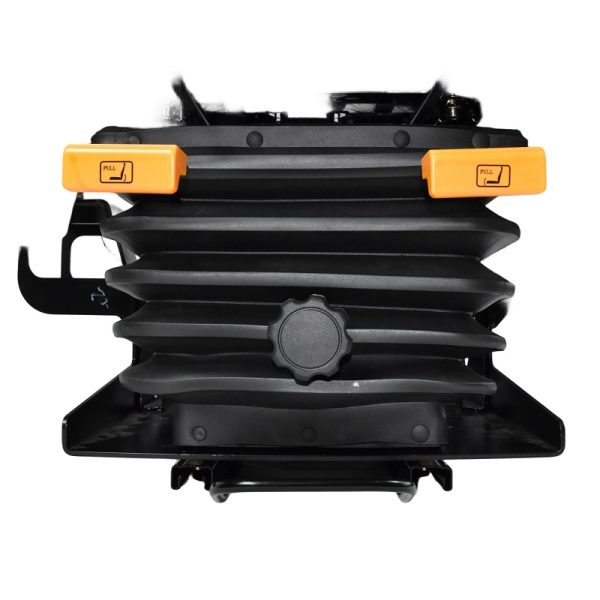
– Try the suspension: check how it handles sudden bump and slow roll — look for even damping, not a harsh stop.
– Inspect cushion density and cover: can it be removed and washed? Does it resist oil and grime?
Include machine fitment: confirm bolt pattern and wiring for seat heater or ISO-style connector. These are small details but dem save time on retrofit.
Common mistakes owners mek — and better options
Many buyers order lowest price seat or assume all excavator seats fit all cabins. Dat a shortcut weh bring headaches. Cheap seat cushion compress quick; adjusters break; vibration damping be poor. Buyin’ cheap to save now mean more downtime later. — Also, skipping a hands-on trial be a big miss. Operators should try seat before fleet-wide purchase.
Better option: choose seats with replaceable cushions, proven suspension units, and modular components so repairs simple on site. Consider seats certified for heavy vibration environments and with serviceable parts list.
Comparing brands and alternatives
When comparing trusted manufacturers, weigh three things: part availability, documented repair procedures, and operator feedback. Some makers focus on premium ergonomic foam and advanced suspension; others sell robust steel frames and simple parts. If you run older machines, a retrofit seat with standard bolt pattern and easy electrical adaptors often beat custom options for lifetime cost.
Advisory — three golden rules fi choose right
1) Measure for humans: ensure full adjustment range covers your shortest and tallest operators. Fit first, specs second.
2) Prioritise serviceability: pick seats with replaceable cushions, standard suspension kits, and clear parts lists so field techs can repair without long waits.
3) Validate on job: run a pilot pair of seats on two machines for a week; track operator feedback and small productivity metrics like idle time or missed cycles. That short test reduce big mistakes.
Final thought
Source One bring brands dat balance operator comfort and field durability, so crews get seats that last and function. Comfort wins. Source One.