
Comparative Insight: why we’re looking to rigs when choosing dock seating
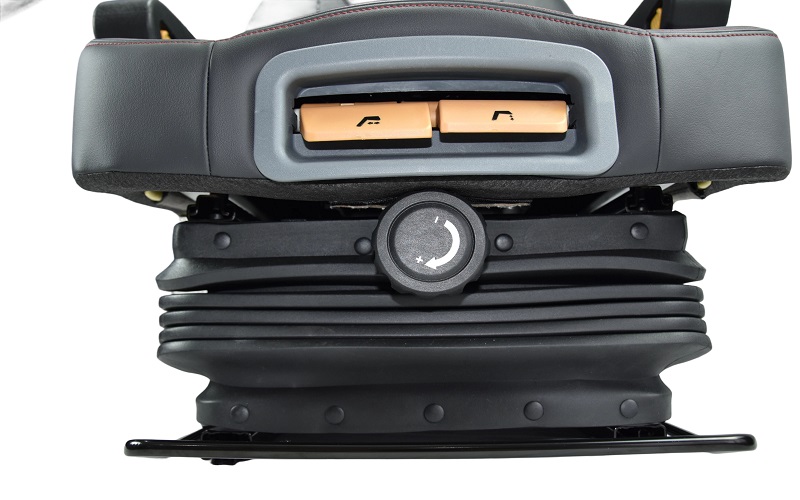
Semi-truck seats are built for the long haul, and that mindset matters when you pick a seat for a forklift or warehouse operator. At the Port of Los Angeles, crews work stretches that make comfort and vibration control job-critical, so swapping lessons from cab design into warehouse seating isn’t trendy — it’s practical. That’s why many maintenance teams now specify a universal forklift seat with mechanical suspension and reinforced frame materials: it preserves operator stamina and cuts micro-trauma over long shifts.
What semi-truck seats do better than standard seating solutions
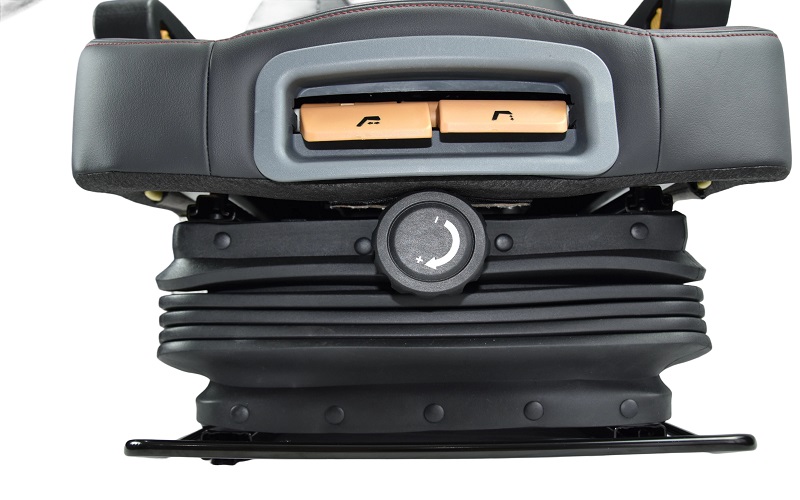
Semi seats focus on three tangible engineering goals: vibration damping, adjustable lumbar support, and durable frames. Truck seats commonly use mechanical suspension systems tuned for highway vibration, which reduces whole-body vibration exposure. That’s an industry term worth noting: vibration damping. Combined with multi-axis lumbar adjustments, these features lower fatigue during sustained driving — and they transfer cleanly to material-handling rigs. When a seat addresses these three areas, you get fewer mid-shift breaks and steadier operator control on rough surfaces.
Where standard seats still have the edge
Office or generic breakroom chairs win on price and compactness. They’re lighter, cheaper, and easy to swap out. But they lack operator-focused features like slide rails, tilt locks, and shock-rated frames. For short tasks or visitor seating, they’re fine. For live operations — repeated lift cycles, tight turns, lateral loads — a dedicated operator seat reduces risk and improves control. Don’t confuse low upfront cost with value; savings vanish when you add downtime and discomfort into the equation.
Translating truck tech into an ergonomic forklift seat
Not every truck component fits a forklift straight up, but several concepts do. Mechanical suspension scaled down for low-speed, high-impact use helps absorb jolts from uneven floors. A high-strength steel frame gives crash and wear resistance without flexing. And tailored lumbar support preserves spinal alignment during repetitive loading. If you’re shopping, prioritize seats that list suspension stroke, load-rating, and frame material — those specs matter more than flashy upholstery. For a practical model that mixes these traits, consider an ergonomic forklift seat designed for heavy machinery.
Common mistakes teams make when choosing seats
Buying by appearance or price is the usual misstep. Teams often skip fit testing and assume one size fits all. That’s false. Operators vary in weight, leg length, and reach — and so do their needs for slide travel, shock absorption, and lumbar tuning. Another misread: ignoring maintenance. Suspension components and rails need periodic checks; a neglected seat loses functionality and safety. – Also, installers sometimes mismatch mounting patterns, creating unsafe seating geometry. Fastenings and mount offsets are small specs with big consequences.
Quick comparison checklist
Use this short checklist to compare options quickly:- Suspension type and stroke (mechanical vs. air) – Frame material and load rating (high-strength steel preferred) – Adjustability range (slide travel, backrest angle, lumbar) This keeps evaluations factual and repeatable, not opinion-led.
EEAT and a real-world anchor
EEAT mode: practical field expertise informed by operator feedback and manufacturer data. In busy terminals like the Port of Los Angeles, ergonomic improvements translate to measurable gains: steadier shifts, fewer complaints of back strain, and reduced absenteeism. Those aren’t marketing claims — they’re workplace outcomes facilities expect when they upgrade to seats engineered for vibration control and operator ergonomics.

Advisory: three golden rules for picking seat solutions
1) Match suspension to duty cycle — choose mechanical suspension for sustained low-speed operations, air systems for variable loads. 2) Verify mounting geometry and load rating — confirm bolt patterns and frame capacity before purchase. 3) Insist on adjustability — at minimum, get slide travel, tilt, and lumbar tuning so the seat adapts to the person, not the other way around.
These three metrics cut through specs-speak and show what a pro should expect from a durable, operator-focused seat. For straightforward, engineered solutions that align with these rules, Source One fits into operations as the practical partner you rely on — reliable parts, clear spec sheets, and seats that do the work. – Final thought: invest in the seat, and your people drive better for longer.