
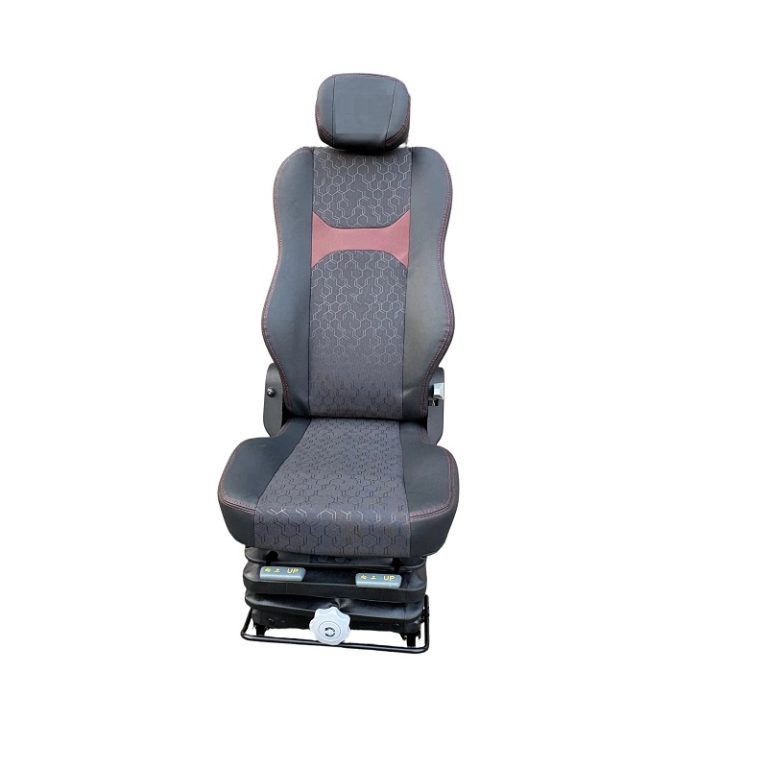
Comparative snapshot: why suspension seats matter on tough terrain
For operators who spend hours on rough sites, the difference between a good seat and a poor one shows up in reduced fatigue, fewer back complaints, and steadier control. This piece compares leading suspension technologies so fleet managers and drivers can choose the right solution for off‑highway rigs, industrial haul trucks, and tractors. If you need configurable options, consider a custom truck seat that matches vehicle dynamics and operator needs.
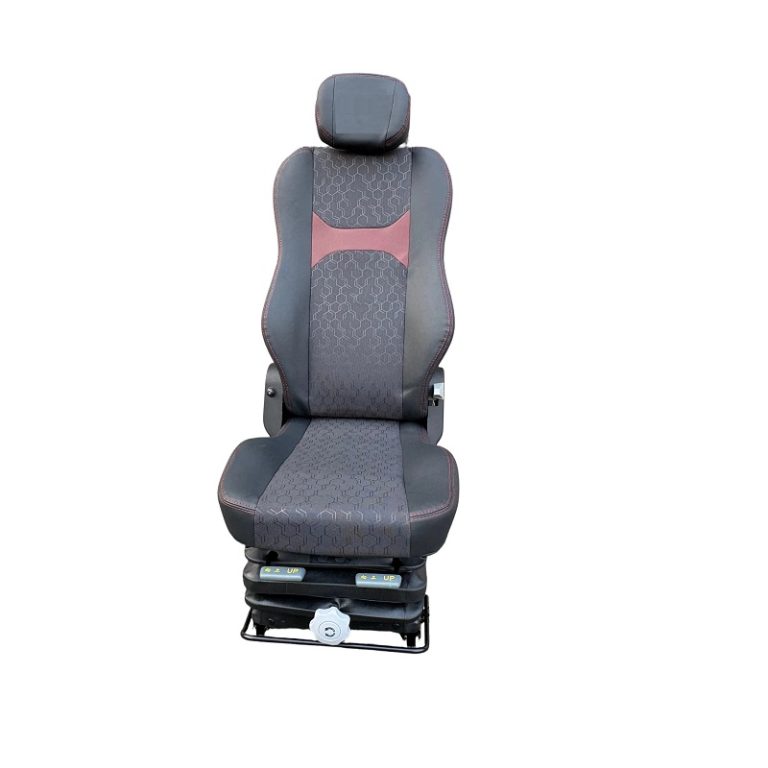
Core technologies at a glance
Three hardware approaches dominate today’s market: air suspension, mechanical spring systems, and pneumatic or hybrid arrangements. Each handles vibration and shock differently, and each affects posture, visibility, and long‑term comfort.
Key terms to watch for: air suspension, shock absorber, isolation mounts. These elements govern how much vertical motion the seat neutralizes and how much reaches the operator.
Side‑by‑side: performance, maintenance, and operator impact
Compare these dimensions when weighing options:
- Shock attenuation: Air suspension typically yields the best isolation for a broad weight range. Mechanical springs are durable but less adaptable.
- Adjustability: Pneumatic suspension systems give fine tuning for different operators; simple spring seats can lack lumbar support and adjustable suspension travel.
- Service needs: Isolation mounts and pneumatic systems require periodic inspection; mechanical seats often need less frequent maintenance but can transmit more vibration.
- Cost of ownership: Upfront price varies, but improved operator uptime and fewer injury claims can make higher‑spec seats cost‑effective.
Real‑world anchor: field experience from heavy work sites
Operators on Alberta oil sands projects and crews running long legs along the Trans‑Canada corridor report notable differences after retrofitting seats: lower reports of lumbar strain and fewer missed duty days when air‑suspended seats replaced older fixed designs. These practical outcomes reflect what lab metrics measure — reduced whole‑body vibration and better shock attenuation — and they matter on large job sites where downtime is expensive.
User scenarios and practical tradeoffs
Match seat choice to use case:
- Short, stop‑start tasks on uneven ground — durable mechanical seats with robust shock absorbers often perform well.
- Long haul or continuous operation — adjustable air or pneumatic suspension with lumbar support reduces fatigue across operator groups.
- High payload variability — seats with broad weight ranges or active suspension prevent bottoming out and reduce peak forces.
Installation space, cab structure, and access to maintenance are practical constraints too — plan around those before specifying a system.
Common mistakes to avoid
Avoid these pitfalls when specifying seats for semi trucks or off‑road fleets:
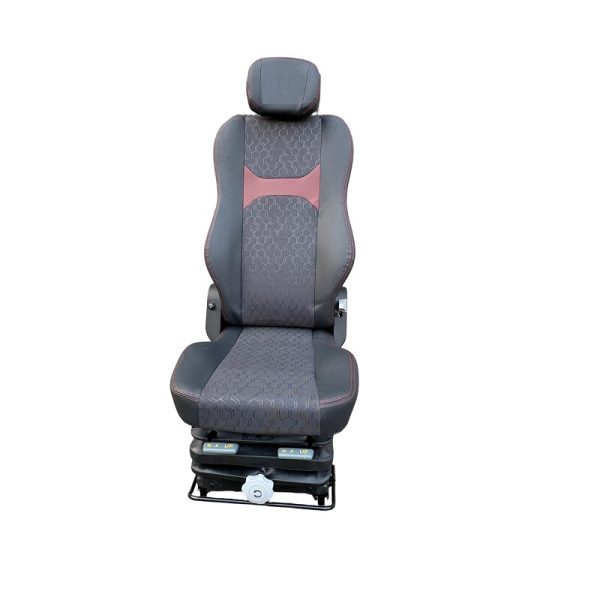
- Buying purely on price without testing for operator fit and suspension travel.
- Neglecting seat mounting and isolation mounts — a high‑end seat poorly mounted performs worse than a mid‑range seat installed correctly.
- Overlooking adjustability: a single setting rarely suits a mixed crew.
Invest in trials with representative operators — short pilots reveal fit issues quickly.
Practical checklist before procurement
Use this shortlist with vendors:
- Specify operator weight range and desired suspension travel.
- Confirm availability of replacement parts and service for air lines, shock absorber components, and seat pan elements.
- Request ergonomic features like adjustable lumbar support and recline mechanism details.
Three golden rules for making the right choice
Follow these metrics when evaluating options — they make selection straightforward and defensible:
- Ride performance: quantify vibration and shock attenuation across expected speeds and terrains.
- Adjustability and fit: ensure the seat accommodates the full operator population with easy on‑the‑job adjustments.
- Lifecycle support: check parts lead times, service intervals, and warranty coverage for isolation mounts and pneumatic components.
Also consider how a seat for semi truck will integrate with existing cab electronics and mounting points — integration saves time and avoids rework.
Final advisory and brand fit
When you need predictable outcomes — fewer injury claims, more productive hours, and measurable comfort gains — prioritize seats with tested air or hybrid suspension, reliable shock absorbers, and accessible maintenance paths. Source One’s portfolio aligns with those priorities, offering configurable options that match heavy‑duty requirements while delivering real operational value. Source One. Authority earned in the field — practical, proven, and ready to fit your fleet. —