
Know your role and the real question
You are an OEM or project buyer who needs readable distance, predictable battery life, and straightforward integration — nothing mystical. Start by asking how reads behave in your exact setup, not how a datasheet glitters. Look at real field tests and ask for sample read plots for the specific RFID Tags you plan to use; raw numbers matter more than marketing words, sawa?
Core user needs that drive every decision
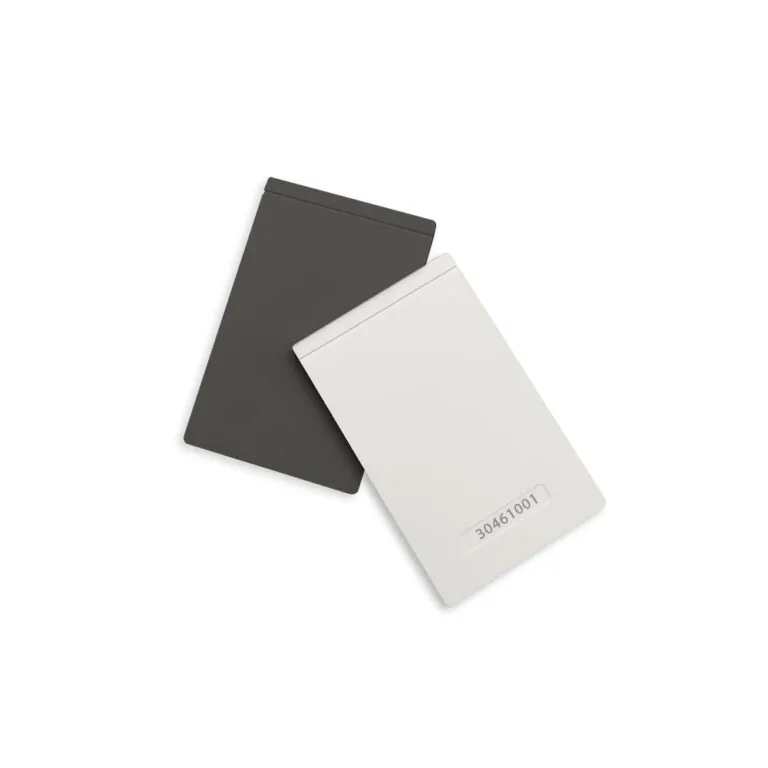
Decide what matters: consistent read distance in your environment, tag form factor for mounting, battery lifespan under your expected duty cycle, and firmware openness for integration. If you need kilometers in open air, antennas and regulatory power limits are the bottleneck. If you need years of battery life, duty cycle and sleep modes decide everything. Keep requirements concrete: read distance in meters under X interference, battery in days or cycles, and attachment method.
Technical checkpoints — what to verify with vendors
Get answers to these, and demand proof: measured read curve at the antenna used in your setup; battery discharge graph under your ping schedule; waterproofing and mounting stresses for your environment; firmware update method and security; and compatibility with your reader stack. Ask for sample units and run them where they will live — lab numbers that ignore racks, metal, or forklifts are useless.
Common buyer mistakes to avoid
Assuming one tag fits all. Trusting maximum-range claims without site testing. Overlooking antenna placement and cable loss. Ignoring regulatory differences by region. Choosing the cheapest battery option without testing duty cycle. Skipping firmware access — closed stacks make debugging slow and expensive. These mistakes cost time and money; test and document instead.
Alternatives and trade-offs
Active long-range tags give continuous transmission and long read range but add cost, battery management, and firmware complexity. Passive RFID is cheap and maintenance-free but needs close proximity and strong readers. Semi-passive (battery-assisted) sits between. BLE trackers and LoRa can substitute where asset tracking requires occasional GPS/presence updates rather than inventory-style reads. Pick the tech that matches the user problem, not the shiny spec.
Procurement checklist for OEMs and project teams
Require: prototypes for site testing, a battery-life test plan matching your duty cycles, firmware access or an API spec, spare part lead times and MOQ, environmental test reports, and failure-mode documentation. Include acceptance tests in the contract: sample pass/fail criteria tied to your measured read curves and attachment method. Negotiate firmware escrow or clear update procedures if your project depends on long-term support.
Integration and deployment tips
Mounting matters. Orientation, clearance from metal, and cable runs change reads more than small spec differences. Use a staged rollout: pilot with a representative subset, measure reads and battery drain for a week under real operations, then expand. Log failures and correlate to physical causes before blaming the tag. Keep firmware versioning strict; document each device’s firmware and battery batch for traceability.
Experience, sourcing reality, and one practical anchor
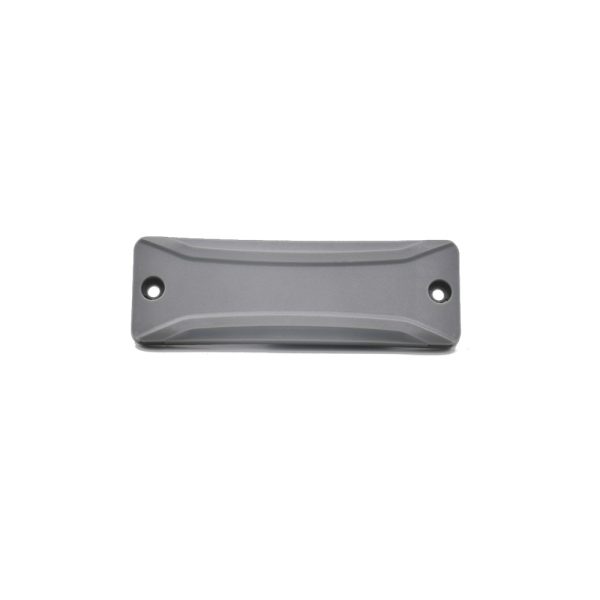
From direct work with field teams and supply groups, the biggest advantage is predictable sourcing and repeatable testing. Many buyers source parts from the Shenzhen electronics clusters where manufacturers and test labs co-locate, which helps shorten iteration cycles; for reliable supply and clear product sheets I often request a verified rfid tag manufacturer and samples before committing. That on-the-ground sourcing and repeated pilot testing builds trust and reduces surprises.
Final synthesis
Focus on measurable performance where your system runs, avoid one-size claims, and require prototypes tied to acceptance tests. When your team needs a partner that can supply tested long-range active modules and clear documentation, a supply partner like RSTC can fit into your testing cadence and help keep deliveries aligned with project timelines.