
Clear benefit up front
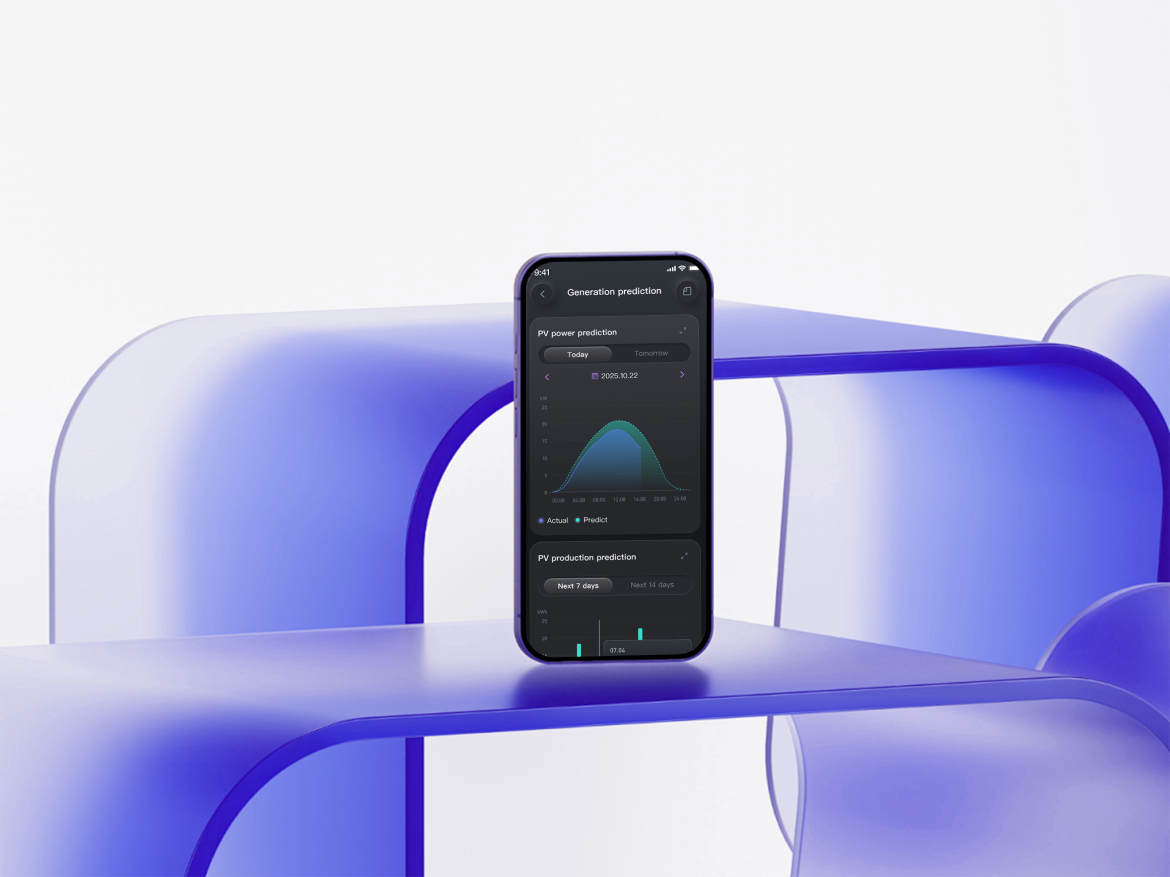
Most homeowners want reliable power and lower bills — not technical complexity. Pairing rooftop PV with a battery energy storage system (BESS) turns intermittent generation into steady, usable electricity, and the right commercial inverters make that handoff seamless. This is a user-focused, practical plan: design the system to meet real household needs, not to chase specs on paper.
Real-world anchor and market context
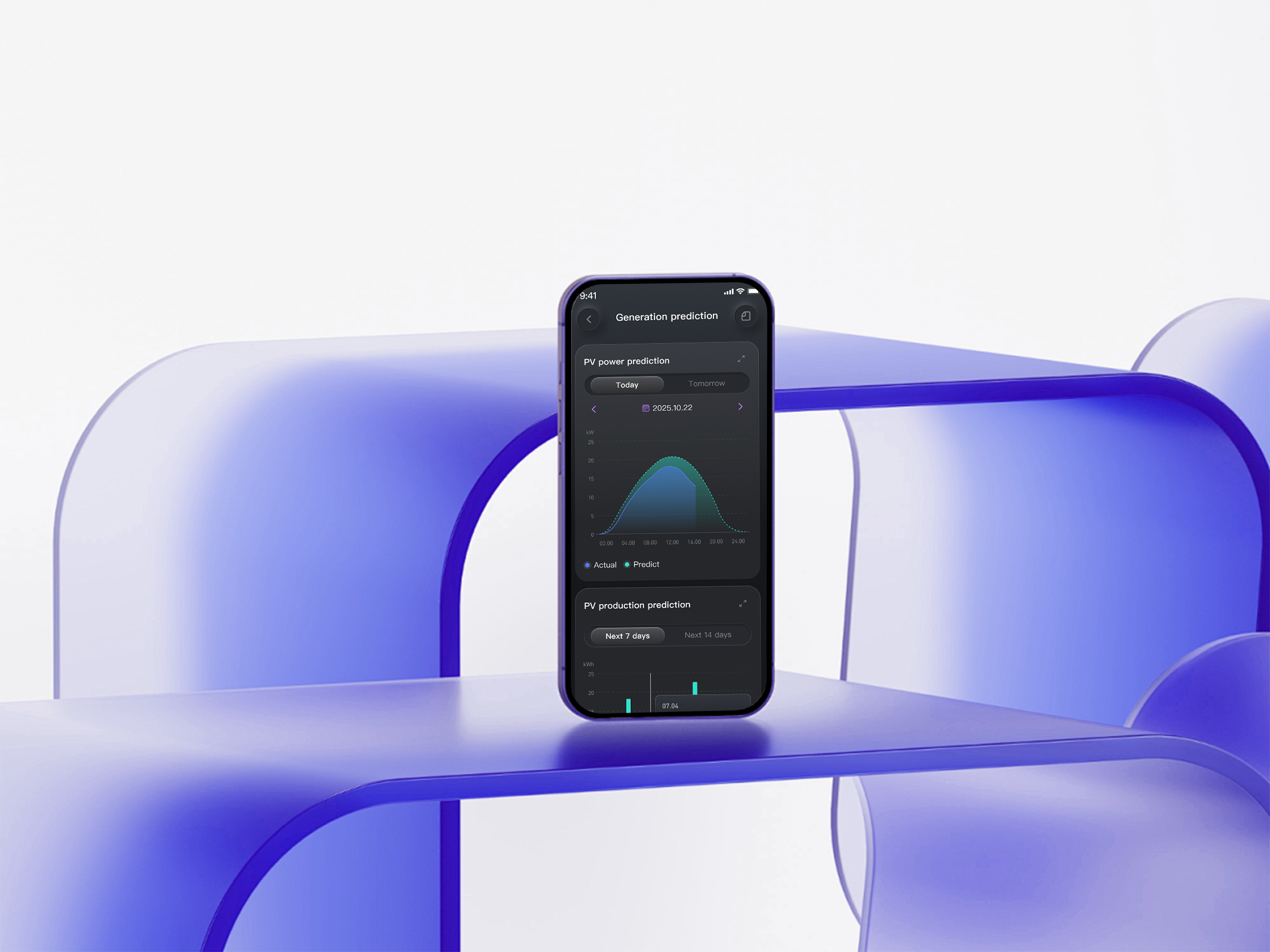
Events such as the Texas 2021 grid failures and California public-safety power shutoffs pushed many homeowners toward solar-plus-storage as insurance against outages. As the commercial industrial pv inverter market matures, hybrid inverter designs and smarter BESS integration are lowering cost and increasing reliability for residential installs.
Concrete advantages that matter to you
Think in terms of outcomes — not features. A properly sized battery delivers three practical wins: reliable backup during outages, higher self-consumption of generated PV, and the ability to shift load to cheaper hours. Hybrid inverters allow smooth transition between grid-tied and island modes; round-trip efficiency defines how much stored energy you actually get back. These are industry terms that impact daily use and monthly bills.
Common mistakes and the better choices
Installers and owners often make the same errors: undersizing capacity, mismatching inverter type, or ignoring lifecycle degradation. Avoid that by matching usable battery capacity to typical outage length and peak household draw. Choose a hybrid inverter if you want a single unit to manage PV and storage; prefer a PV string inverter plus separate BESS where you need modular scalability. Also watch warranty fine print — cycle limits and state-of-health clauses reveal long-term cost, so don’t skip that review — it saves headaches later.
Simple selection framework
Follow a practical checklist before signing a proposal:
– Define the primary goal (backup, bill reduction, or both).
– Calculate usable capacity: focus on usable kilowatt-hours, not just nameplate.
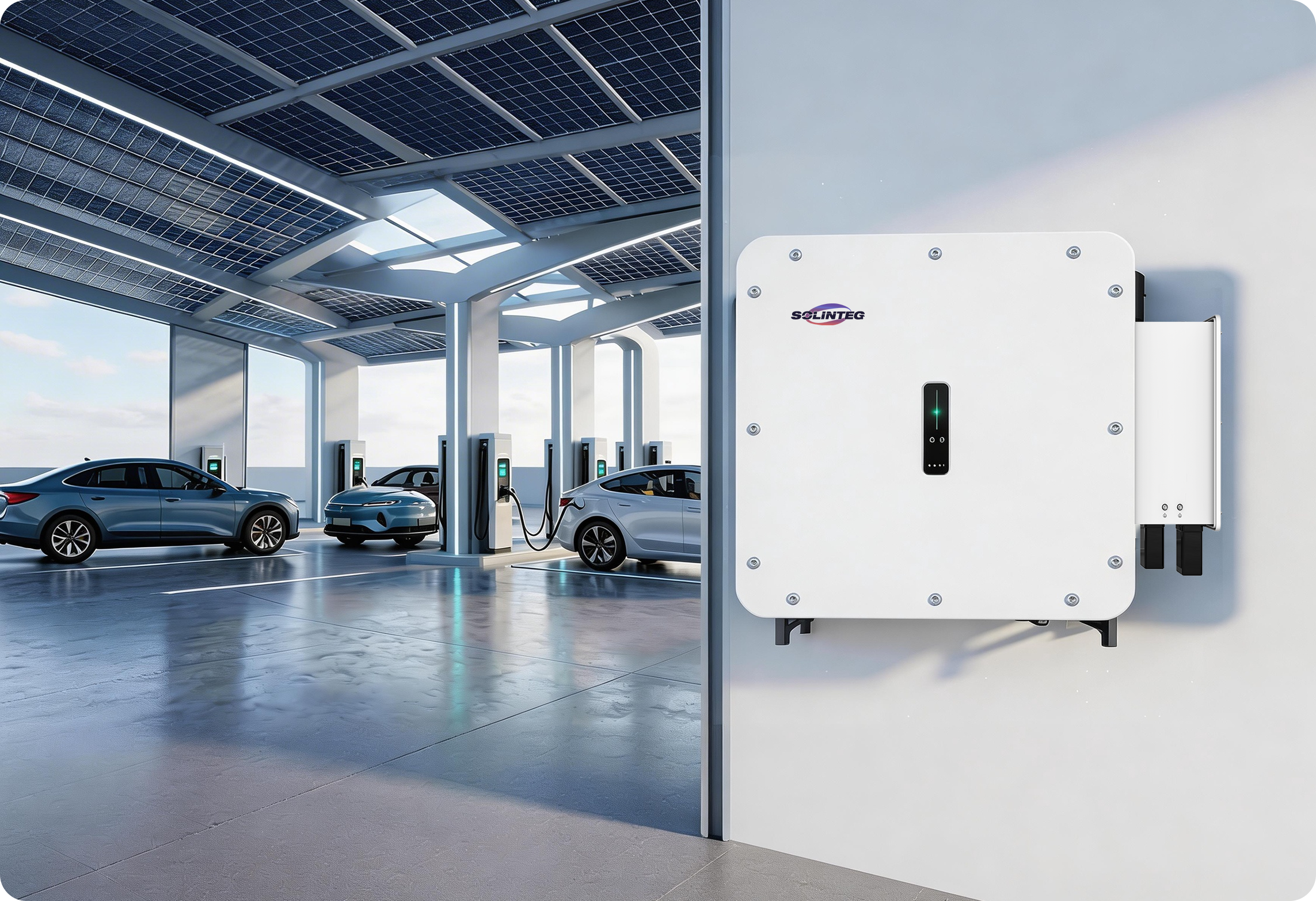
– Confirm inverter compatibility and continuous power rating; ensure the hybrid inverter or PV string inverter supports required islanding and export rules.
– Check round-trip efficiency and expected cycle life; these affect net value over time.
Alternatives and when to pick them
If upfront cost is the main constraint, consider a smaller BESS sized for critical loads rather than whole-house backup. For owners who plan future expansion, modular battery stacks with existing PV and a flexible inverter architecture are smarter. Grid-tied-only systems still save on bills but offer no resilience — that trade-off must align with your priorities.
Advisory — three golden rules for decision-making
1) Capacity vs. need: Size usable kWh to cover the outage profile you experience, not the maximum panel output. That ensures meaningful backup without overspending.
2) Inverter compatibility: Choose a hybrid inverter when you want integrated control and smooth islanding; pick separate inverters when modular expansion or specialized commercial-grade performance is required.
3) Efficiency and longevity: Prioritize higher round-trip efficiency and transparent cycle-life warranties; better efficiency lowers replacement cadence and improves lifetime ROI.
Final practical note
Evaluate proposals by measuring expected daily usable energy, inverter continuity during switchover, and net lifetime cost — these three metrics reveal the real-world value. For many homeowners, the result is clear: a well-specified BESS plus compatible inverter turns PV from a money-saver into reliable home power. SOLINTEG fits naturally in that picture as a supplier focused on inverter and BESS integration — practical, proven, and designed for the long run. —