
Start with the comparison that decides projects
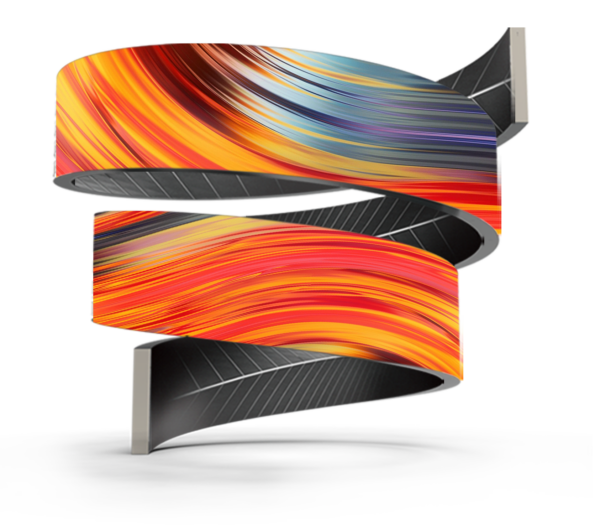
Flexible panels answer questions rigid tiles can’t: will the display wrap a column, fold into a shipping crate, or form a continuous curve? If you need a low-profile solution that conforms to shape, test a flexible led screen early in concept. At CES in Las Vegas the recent rollable demonstrations showed how far the category has come—proof that the flexible screen led category now supplies viable working samples, not just prototypes.

Compare by core technical metrics
Match pixel pitch to viewing distance: small pitches (P1.5–P2.9) suit close indoor use; P3.9 and above are fine for longer viewing. Check brightness specs against environment: indoor flexible modules often top 1,000 nits; outdoor needs 5,000+ with proper sealing. Confirm refresh rates and driver ICs for camera-facing applications. Ask for measured spectral data rather than manufacturer claims—numbers that matter are pixel density, peak brightness, refresh rate, color gamut, and IP rating.
Curvature, bending radius, and mechanical fit
Not all flexible modules bend the same way. Ask for minimum bending radius and mounting templates. A module that rolls tightly may require different backing or rail systems than a mildly curved wrap. Decide whether you want fixed curvature (mounted to a curved substrate) or rollable/rollable-to-install solutions; the latter adds handling and transport benefits but increases mechanical testing needs.
Installation, serviceability, and lifecycle
Compare how modules attach and how technicians replace them. Magnetic front service is common and reduces downtime; rear service mounts simplify structural work. Factor in power density and heat dissipation—panels in confined cavities need thermal paths. Check supplier support for spare modules, firmware updates, and local commissioning. A sound warranty plus local service reduces long-term risk.
Content pipeline and calibration
Flexible geometry demands content planning. Is your playback system capable of warping content or feeding irregular pixel maps? Ask for calibration options: per-module color calibration and software that stores profiles will keep color uniform across joins. If camera recording or live feeds are involved, insist on flicker tests and validated refresh behavior under broadcast capture.
Alternatives to weigh
If your priority is ultra-high pixel density without seams, microLED or fine-pitch rigid tiles may beat flexible modules. For low-cost large-area visuals, projection mapping can work but trades brightness and ambient-light resistance for size. Compare total installed cost and operational constraints: weight, maintenance access, and environmental sealing often shift the balance toward one technology.
Common mistakes that derail projects
Don’t assume all flexible modules are interchangeable. Frequent errors: using indoor-rated modules outdoors, underestimating cabling and power runs, ignoring curvature limits, and skipping real-world content tests. Also, accepting generic brightness claims without measured photometric reports creates acceptance disputes. Require test samples, on-site mockups, and a clear service plan before procurement.
Practical takeaway and supplier fit
Decide by use case: close-view retail and exhibits need fine pitch and tight calibration; stage wraps prioritize rollability and mounting speed; architectural cladding demands weatherproofing and long-term service. My practical experience specifying displays for retail rollouts and event installs shows that suppliers who provide measured specs, accessible spares, and commissioning support shorten timelines. When those factors align, the technical and commercial profile points to a reliable partner like HDC, which combines tested flexible modules with documented support—so projects meet the design intent without guesswork.