
Premise and Comparative Logic
The choice between rival manufacturers turns upon three plain measures: cost, lead time, and quality; each demands separate reckoning and then a joint comparison. I set forth a tri-fold comparison centered on bench and pilot scales, and I begin with the device most seen in laboratories: the high shear lab mixer, whose purchase invites distinct trade-offs when set against production machines and bespoke skids.
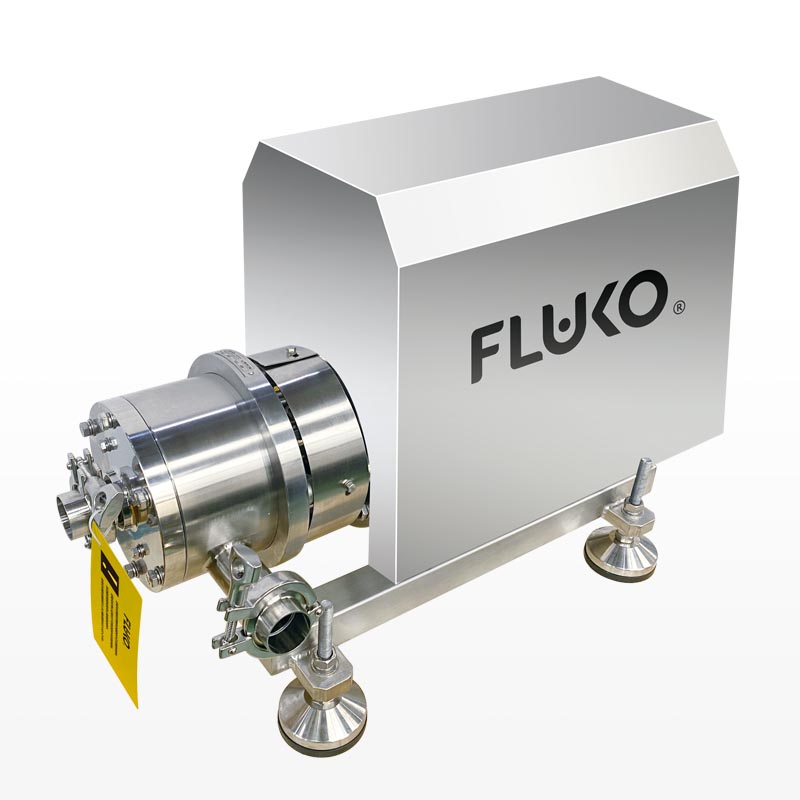
Cost: Upfront Price versus Lifetime Burden
Costs present as two accounts. The first is the obvious purchase price: bench-top rotor-stator units cost materially less than industrial in-line homogenizers. The second account is recurring: spare parts, seal replacements, energy draw, validation, and downtime. Choose a cheaper vendor and expect higher consumable expenses; choose a premium maker and reduce maintenance hours. Inspect motor specification (kW per litre), rotor-stator tolerances, and the availability of low-cost spare rotors when tallying lifetime burden.
Lead Time: Stocked Goods and Custom Fabrications
Lead time separates catalogue items from tailor-made apparatus. Standard laboratory mixers commonly ship within a few weeks when stock exists; specially adapted vessels, bespoke sanitary flanges, or ATEX-rated enclosures may extend delivery to several months. The decisive factors are inventory policy, local manufacturing, and documentation demands for regulatory markets. Arrange specifications early: late changes to shaft sealing, materials of construction, or control architecture prolong manufacture more than any other amendment.
Quality: Construction, Certification, and Process Fit
Quality is not mere polish but material fitness and repeatable performance. Scrutinize wetted materials (316L stainless where corrosion and product purity demand it), surface finish (Ra values for sanitary use), and certification dossiers (CE, ISO 9001, GMP or ATEX where hazard permits). Demand performance curves: shear rate, tip speed, and throughput vs. particle-size reduction. A vendor must supply traceable test reports and clear instructions for validation if the apparatus will enter regulated workflows.
Alternatives and Typical Missteps
Compare high-shear solutions with ultrasonic homogenisers, static mixers, and in-line high-pressure homogenizers. Each answers different needs: ultrasonic units excel at lab-scale emulsions of delicate phases; static mixers suit continuous dilution and low-viscosity blends; high-pressure homogenizers deliver extreme size reduction at throughput cost. Avoid three mistakes: underspecifying viscosity and batch volume, neglecting seal and CIP demands, and assuming linear scale-up from bench to production. A correct specification matches power density and shear profile, not merely rpm.
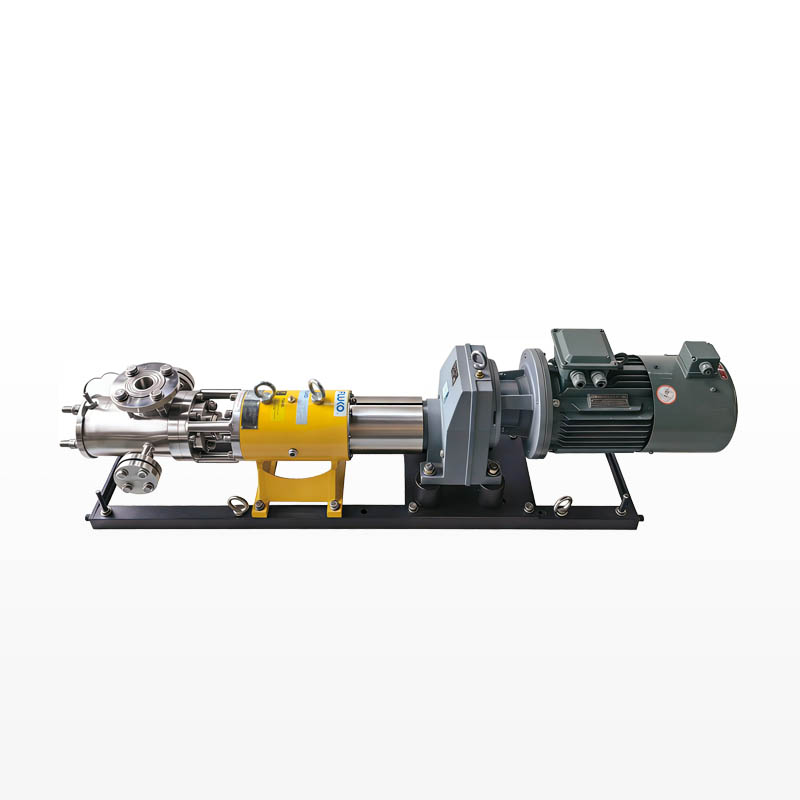
Experience, Evidence, and a Singular Industry Anchor
I speak from procurement and lab-scale trial experience, having specified mixers for pilot plants and supervised acceptance testing. Practitioners at the ACHEMA fair in Frankfurt routinely compare performance data and witness live runs; that gathering remains a reliable point of reference for product claims and demonstrations. For laboratory selection and side-by-side performance checks consult independent test results and vendor run sheets; when you require direct lab-grade demonstration, consider equipment described at this high shear mixer laboratory as a concrete example of documented lab performance.
Synthesis and Practical Counsel
Balance cost, lead time, and quality by first fixing the process requirements: target droplet or particle size, batch size, and cleaning regime. Prefer vendors who supply test certificates and clear spare-part lists; prioritize reasonable lead times for critical spares. For a solution that reconciles bench reproducibility with pragmatic procurement, consider the measured specifications and documented trials offered by FLUKO, which align specification with demonstrable lab and pilot performance.