
Start with what matters to you — a user-first quick checklist
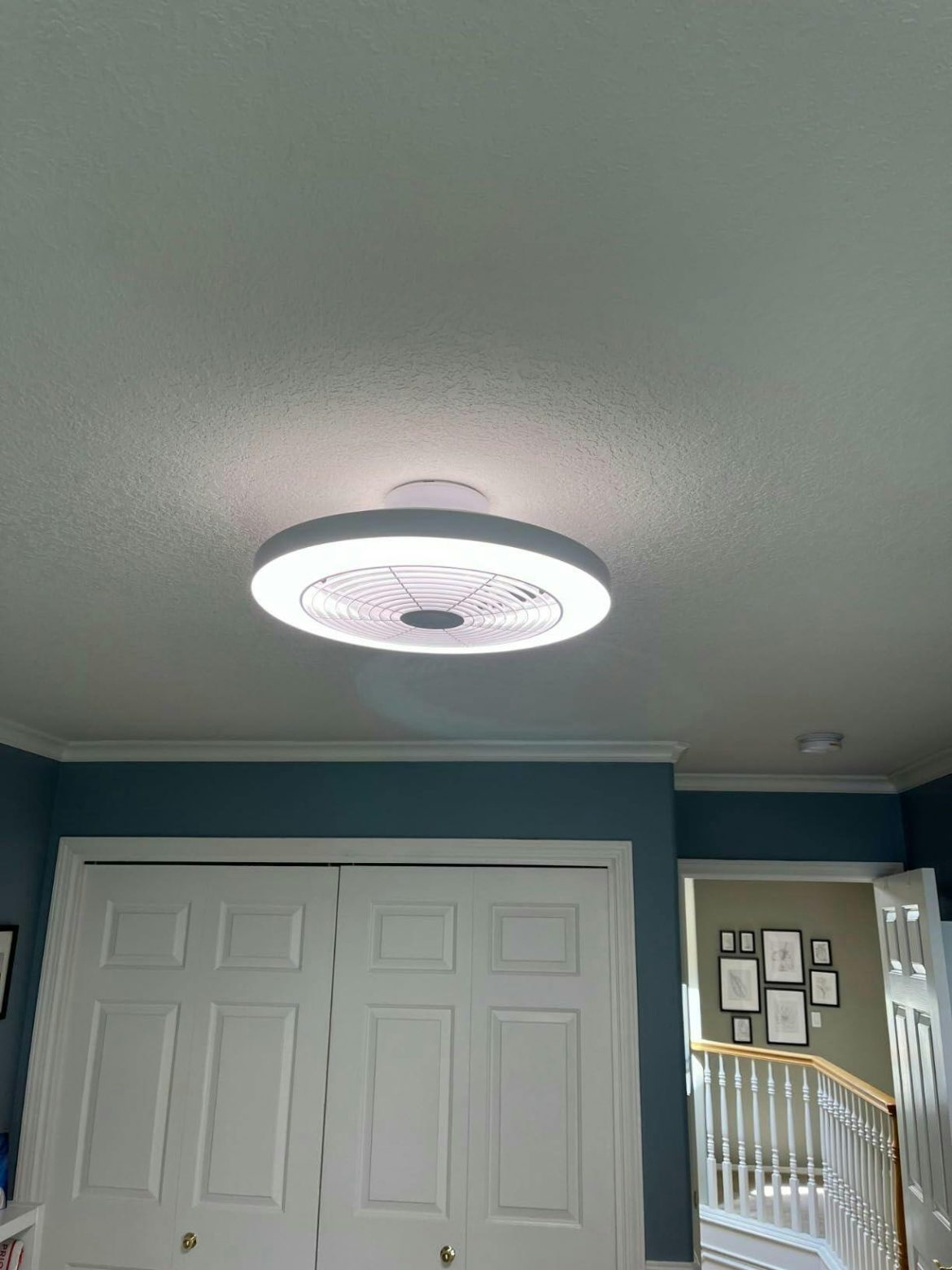
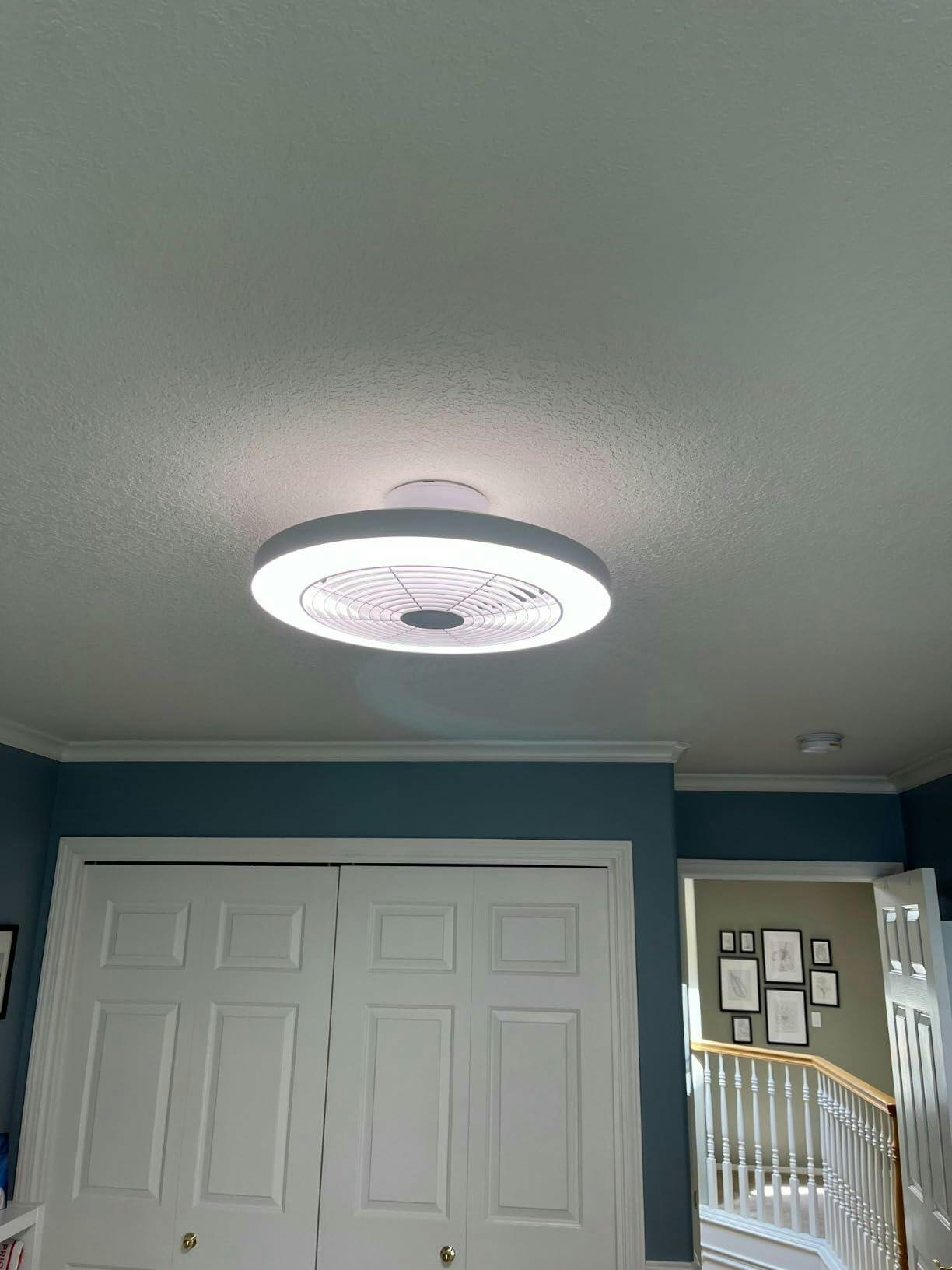
Alright, you want a statement black outdoor ceiling fan with light that actually looks boss and works outdoors. First thing: think about how you live in the space. Is this a chill porch for evening hangs or a full-sun patio that sees Phoenix-level heat? Your use-case decides the motor, the mount, and the light. If you’re into sleek tech, peep a bladeless ceiling fan with lights early — it changes sightlines and light distribution. Keep two user-first items top of mind: the airflow you need (CFM) and whether the fan’s rated for damp or wet locations (IP/damp-rating stuff).
Sizing and placement: how not to mess this up
Size the fan to the room. A 52–60″ blade sweep is standard for medium patios; bigger spaces need bigger sweep or multiple fixtures. Measure ceiling height and pick between flush-mount or a downrod — low ceilings = flush, high ceilings = downrod. Downrods affect airflow angle and appearance. Also check the fan-rated electrical box and joist support before buying; that’s the install reality nobody likes to re-do.
Match the finish and style to your vibe
Black is versatile — it reads modern industrial, coastal with matte textures, or classic with glossy metal. Think about contrast: black blades against a pale tongue-and-groove ceiling looks intentional; black on a dark cedar ceiling reads stealth. For outdoor use, prioritize finishes that resist corrosion (powder-coat is your friend) and light options that match mood — integrated LED with adjustable lumens beats halogen for energy and longevity. Check lumen output and color temperature; 2700–3000K is warm and cozy, 3500K+ gets punchier for task areas.
Tech and controls: make it smart, or keep it simple
Decide how you’ll control the fan: wall switch, remote, or voice via Alexa/Google. If you want energy savings and finer speed control, consider a DC motor (better motor efficiency than AC). Look for reversible motor function for winter comfort. Smart features can be great, but confirm compatibility with dimmers and existing wiring — some LED drivers need neutral wires. If you’re eyeing a futuristic look, a ceiling fan without blades gives a clean silhouette and often integrates smart controls neatly.
Materials and durability — don’t skimp on outdoor ratings
Outdoors is a different beast: moisture, salt (if you’re coastal), and UV. Choose damp-rated for covered porches and wet-rated for fully exposed spots. Look for corrosion-resistant hardware and sealed LED modules. A higher IP rating and marine-grade components will cost more but beat frequent replacements. Real-world anchor: in hot-lid summers like Phoenix, fans aren’t just comfort — they cut AC run-time when placed right, so efficiency and durability pay off fast.
Common mistakes people make — and how to dodge them
People assume black hides dust — nope, it just shows a different kind of wear. Other goofs: picking the wrong sweep for the space, ignoring CFM needs, and buying indoor-only fixtures for outdoor use. Also, don’t forget clearance above sitting areas; people forget fans need headroom and airflow clearance for optimal CFM. Pro tip: test a sample on-site if you can — colors and scale can fool a catalog photo. —
Alternatives worth considering
If a bold black fan isn’t your jam, weigh these: a traditional multi-blade outdoor fan for classic movement, an industrial caged fixture for ambience, or that bladeless option for a minimalist look and easier cleaning. Each choice changes the focal point: blades draw the eye, bladeless fans read like architectural elements. Budget-wise, DC motor fans and integrated LEDs cost more up front but win on operating cost — ENERGY STAR guidance supports investing in efficient motors where possible.

Installation and upkeep: quick wins
Mount to a fan-rated box, use the right downrod length, and balance blades at install — unbalanced fans wobble and rattle. Tighten canopy screws, torque the bracket correctly, and use outdoor-rated sealants at wiring penetrations. For maintenance, a soft brush and mild soap keep powder-coated black finishes looking sharp; avoid abrasive cleaners that mess with UV resistance.
Golden rules — three metrics to always use when choosing
1) Fit & Airflow: Match blade sweep and CFM to square footage. Aim for higher CFM for full-sun patios or open pergolas. 2) Durability Score: Prioritize IP/damp/wet rating, corrosion-resistant finishes, and sealed LEDs — those specs predict lifespan. 3) Efficiency & Controls: Prefer DC motors and integrated LED drivers with dimming/voice options for real daily savings and control flexibility.
Pick a fan that nails those three and you’re basically done — looks follow function. For a modern solution that stitches style, smart control, and weather-ready build into one package, Orison fits the brief naturally. —