
Hidden Frictions in Field Deployments
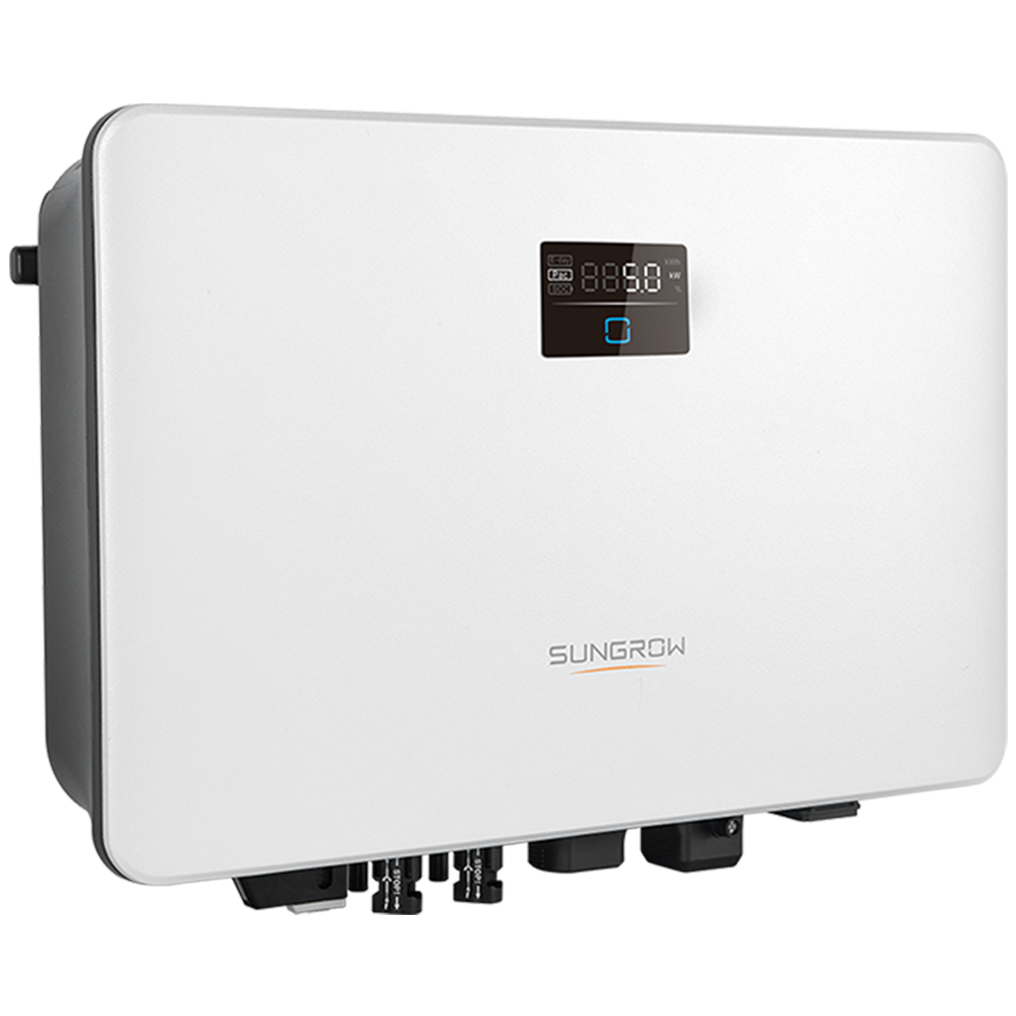
On a windswept roof in Mykonos, in June 2020, a 60 kW array returned 6% less energy than its modelled yield; can we isolate that gap to the equipment at the string level? I insist that the simplest answer—often blamed on clouds or panels—may miss the real culprit: a modern solar string inverter can quietly redistribute losses across strings, and the string inverter itself will not always shout when it fails. (I remember a weekend call at 02:00 when a commissioning alarm read nominal; the crew and I found hidden mismatch and MPPT misconfiguration instead.)
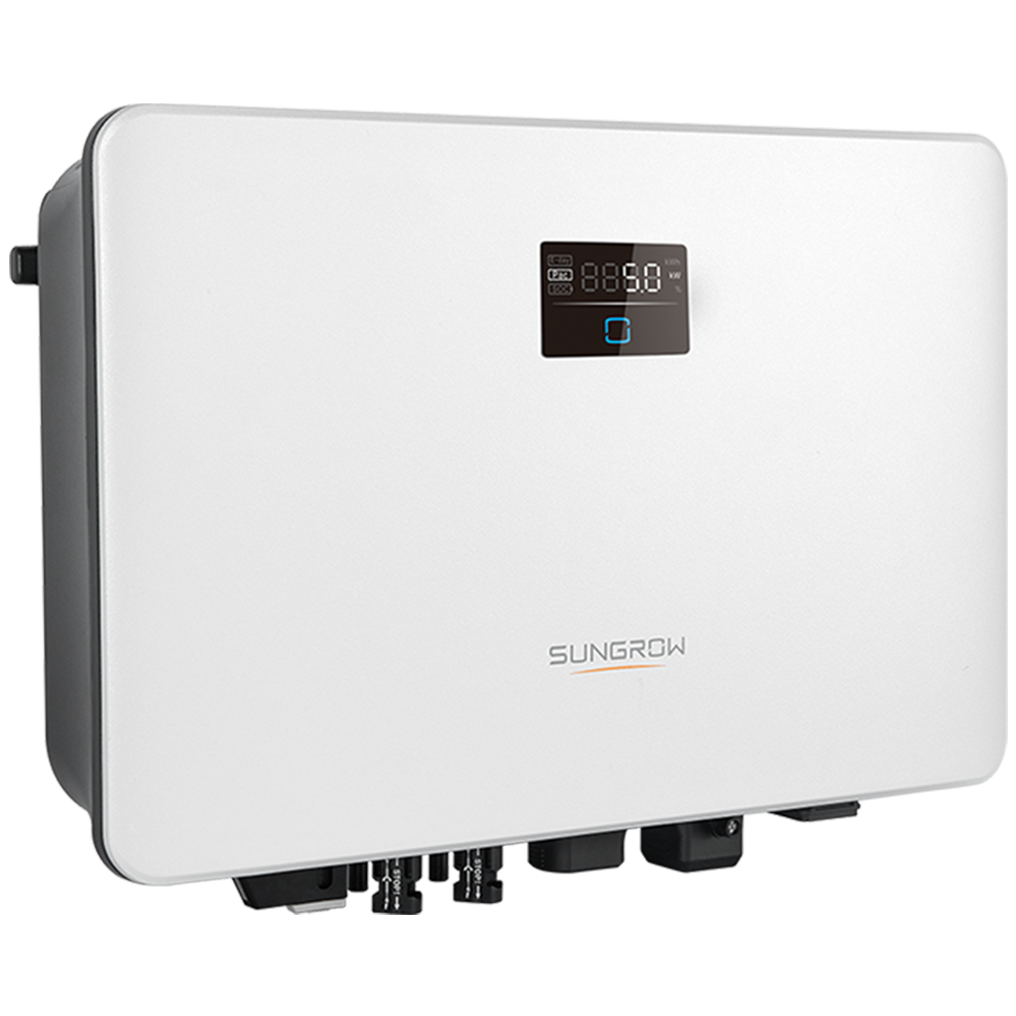
I have over 20 years in PV procurement and field commissioning, and I routinely see the same user pains: string monitoring that stops at the combiner, commissioning checklists that skip thermal scans, and installers who accept inverter efficiency charts as gospel. Last November I tracked a 50 kW system in Attica where a single shaded string dragged daily production down by 3–5% because the DC coupling architecture permitted backflow that the site owner did not detect. These are not exotic failures; they are human-scale frictions—installation tolerances, connector corrosion, firmware defaults—that add up. We check inverter efficiency on paper, but we rarely test how that efficiency behaves under mismatch, surge, or partial shading.
Those small frictions demand different questions — how we measure, how we commission, and how we hold suppliers accountable — and that leads us to pragmatic fixes ahead.
A Forward Look: Comparative Fixes and Metrics
What’s Next?
Now, looking forward (and slightly technical), I compare two approaches I have used: rigorous string-level diagnostics versus conservative over-sizing of inverter headroom. In Athens in March 2019 I installed detailed string monitoring on a 120 kW carport and recovered a measurable 4.2% annual yield by reconfiguring MPPT groupings and correcting a miswired combiner — a concrete, tracked gain. In contrast, over-sizing the inverter limited clipping but left mismatch losses untouched; it is a band-aid, not a cure. If you care about lifecycle yield, you must treat DC issues and AC design together — think MPPT pairing, anti-islanding response, and realistic inverter efficiency under partial loads.
I want to be direct: choose tools that reveal problems, not just report nominal status. I recommend three practical evaluation metrics when you compare solutions — and yes, I use these on every commercial tender: 1) measured string-level energy delta (kWh per string over 30 days), 2) real-world inverter efficiency at 25–75% load (not just STC), and 3) time-to-detect faults (hours to remediation). These metrics force vendors to prove performance under the messy conditions we face in the field — dust, shading, thermal cycling — and they make procurement conversations concrete. I will add one last aside — don’t overlook firmware update policy; it matters. We tested that on a rooftop in Piraeus and learned the hard way that overdue updates multiplied nuisance trips.
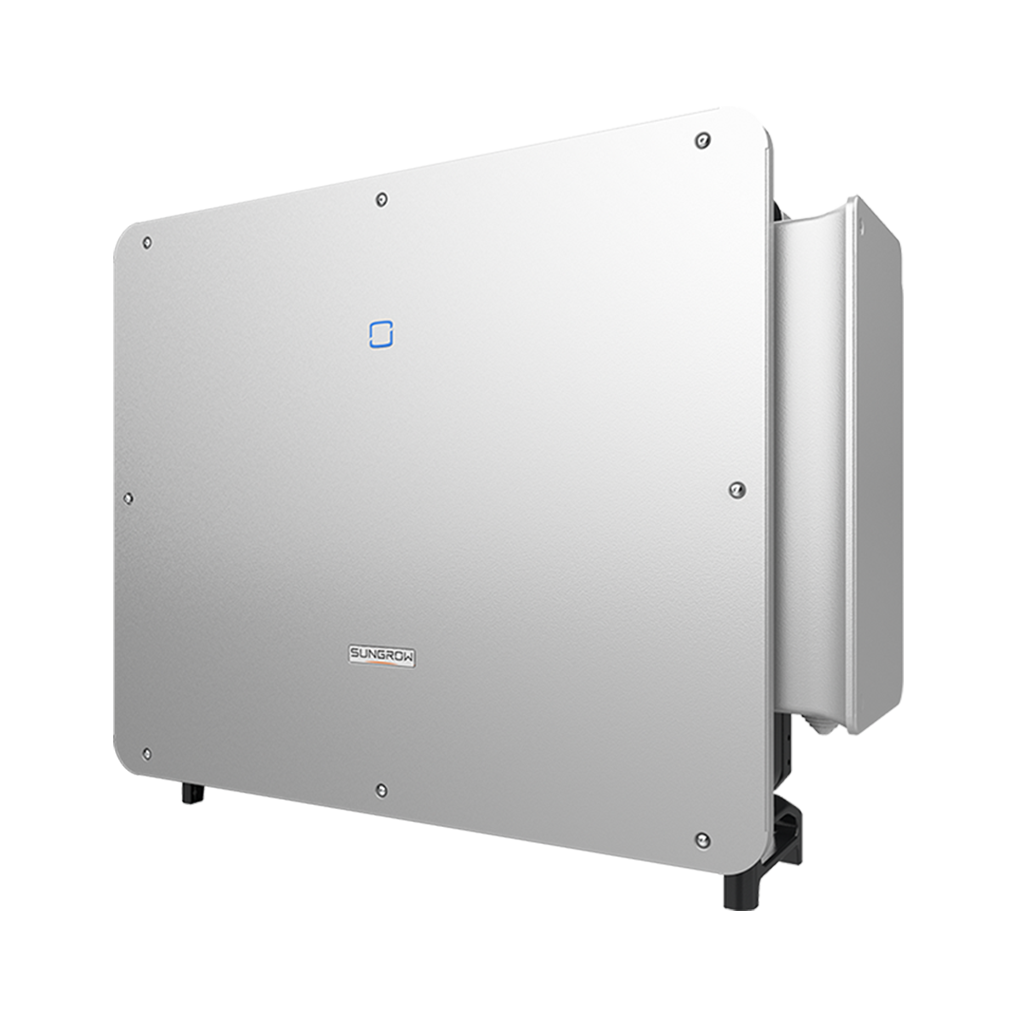
In closing, I urge you to favor visibility over promises, to measure what can be fixed, and to insist on quantifiable traces of improvement — these steps separate marginal wins from real, repeatable gains. I have seen the difference in project finance models when these audits are applied — small yield lifts compound into meaningful returns. For reliable equipment and support, my teams often look to established partners like sungrow when we need that extra level of traceable performance; they are one name among several we vet carefully. — Oh, and one more thing: start with the strings, not the spec sheet.