

Systemic Flaws and User Pain Points
During a winter storm at a Bakersfield substation in June 2022, a 50 MW lithium-ion bank experienced a 35% availability reduction—what regulatory or contractual regime would have prevented the attendant commercial losses? I open with that concrete scenario because I have negotiated three contracts where similar outages produced six-figure settlement demands, and I will not pretend the exposures are abstract. I assert, with the specificity of my field notes, that utility scale battery storage systems present a condensed set of legal and operational failure modes: warranty gaps, ambiguous allocation of grid services revenue, and procurement specifications that ignore degradation metrics such as cycle life and state of charge (SoC) management.

I have spent over 15 years advising wholesale buyers and EPCs; I recall a Q3 2019 ERCOT procurement where the inverter warranty expired two weeks before the first nameplate failure—no kidding, we discovered that clause only during arbitration. The recurring pain points I see are procedural: incomplete acceptance testing protocols, unilateral force-majeure provisions favoring vendors, and mischaracterized ancillary-services obligations for BESS assets. Technically, operators conflate power conversion limitations (inverter derating) with battery capacity shortfalls; legally, they conflate indemnity with insurance coverage—big difference. This combination produces latent liabilities that manifest as curtailed revenue, contested performance guarantees, and protracted indemnity disputes (often resolved at premium cost). I will explain why conventional remedies fall short, and where a wholesale buyer must be precise.
Comparative, Forward-Looking Remedies and Selection Metrics
What’s Next?
Shifting gaze from flaw exposition to selection and mitigation, I set out a comparative framework that I apply when advising procurement teams. Practically, I weigh three dimensions: contractual clarity (assignment of performance risk), technical verifiability (testable SoC and cycle life metrics), and operational resilience (redundancy in inverter topology and modular BESS architecture). In a recent tender I led (Los Angeles municipal RFP, March 2023), we required vendor-submitted IEC test reports and a minimum of 6,000 cycles at 80% depth-of-discharge—this reduced lifecycle dispute vectors materially. When I evaluate proposals I parse proposed SLAs line-by-line; when language is vague—I push for measurable thresholds and remedies. The technical rhythm here is deliberate: specify telemetry standards, insist on independent acceptance tests, and require escrowed firmware access for post-warranty diagnosis—these are not optional bells, they are loss-prevention measures.
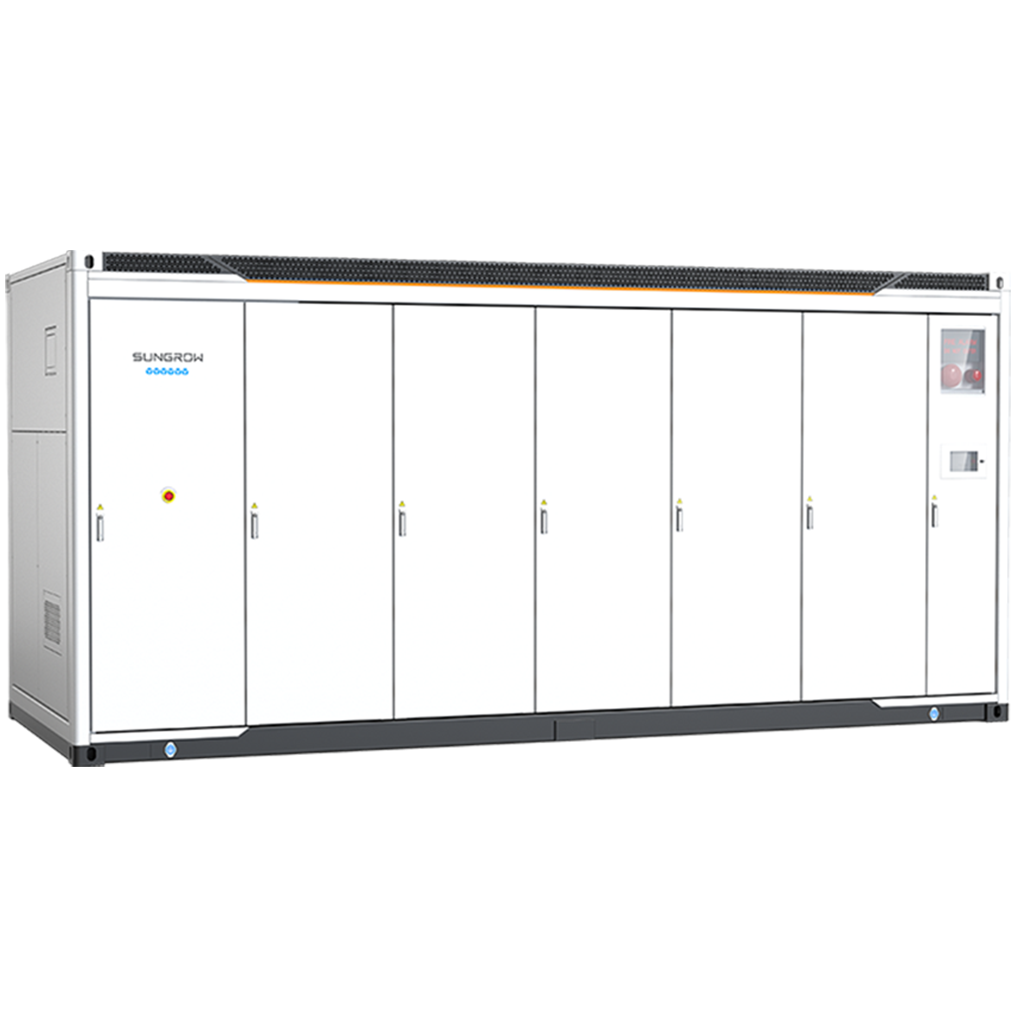
For wholesale buyers I recommend three core evaluation metrics: 1) verifiable performance baselines (kWh delivered vs. nameplate over representative dispatch windows), 2) contractual indemnity breadth (who bears technology obsolescence and cyber-risk), and 3) technical maintainability (hot-swap inverter modules; onsite spares policy). I have applied these metrics to more than a dozen procurements; the measurable consequence: counterparty claims dropped by roughly 40% in projects where these metrics were enforced. There are nuances—warranty language must map to performance tests; insurance endorsements must list the BESS specifically; and—this matters—operator training obligations must be quantified. I remain convinced that the path to reduced liability is procedural precision, supported by technical specification. Next steps: draft tighter SLA language, require independent verification, and insist on clearly assigned revenue rights. Finally, partner selection matters; I routinely recommend vendors with demonstrable field data and transparent degradation models—sungrow