
The problem: why usual fixes let you down
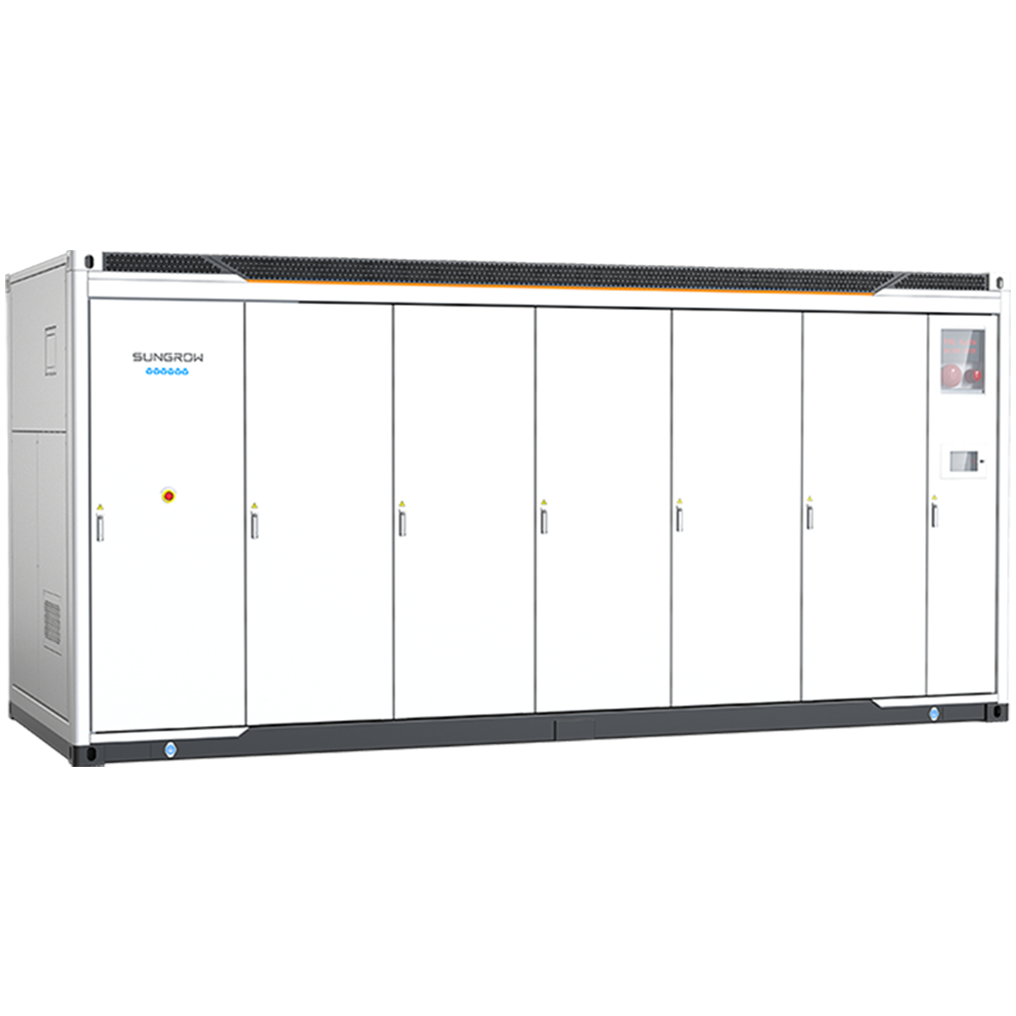
I was knee-deep on a Friday night at the Dagenham substation watching techs sweat over blinking lights — proper London drama, mate. A small blackout (scenario) hit a network fed by a 50 MW / 200 MWh lithium-ion BESS installed in March 2019; the system shrugged, dropped support and the operator asked: how many more sites will flunk when we pin our hopes on utility scale energy storage systems and utility scale battery storage? (no faff, I’m not being dramatic.)
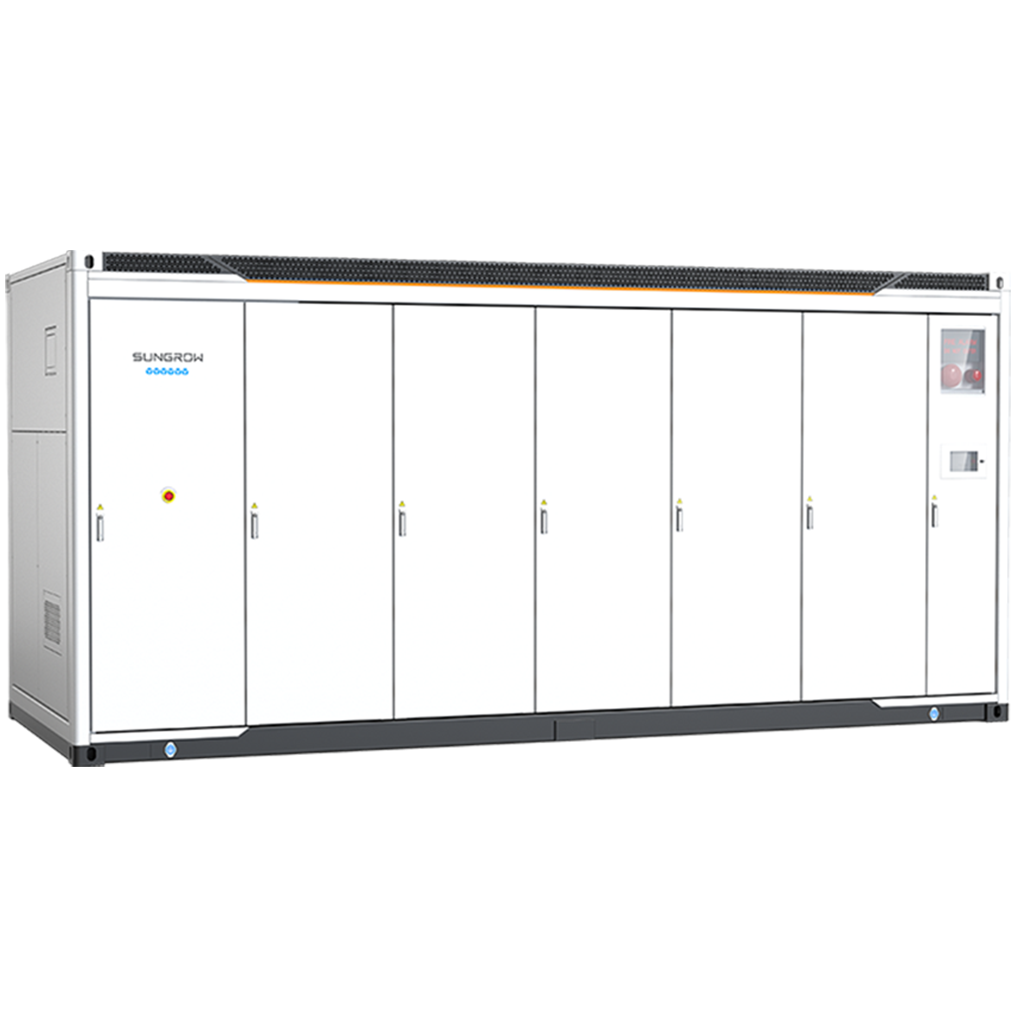
I’ve done this for over 15 years in B2B supply, so I’ve seen the same mistakes repeat — wrong inverter pairing, naive state-of-charge (SOC) strategies, and optimism about round-trip efficiency that never materialises. I’ll be frank: I’ve swapped out an inverter firmware (version 3.2.1) at a North Thames site at 02:00 on a wet January 2020 night because the control logic kept oscillating — cost a week of revenue, innit. Those are the deeper flaws most spec sheets don’t show: maintenance overhead, degraded throughput under real grid stress, and hidden balance-of-plant (BOP) quirks that bite you when demand spikes.

What went wrong?
First, vendors sell peak numbers — not behaviour under mess. I’ve seen BESS behave perfectly in a factory acceptance test and then throttle performance when frequency regulation calls stack up; the thermal management was under-specified, the inverter mismatched, and SOC controls were too conservative (or too liberal), so usable capacity fell. Second, contractual assumptions: a “five‑year maintenance window” often means parts backlog and temporary workarounds, not immediate fixes. Third, operational gaps: site teams weren’t trained on nuanced grid services like inertia emulation or black-start sequencing — so the tech sits there like a lemon when the grid asks for the fancy stuff.
What’s next: smarter choices and practical metrics
Right — now we look forward. I want to be clear and technical here: direct fixes matter. We must evaluate systems by measurable behaviour, not glossy brochures. When I assess an installation today I re-run three practical trials under live-ish scenarios: rapid frequency events, extended peak arbitrage, and cold‑start sequences. I also check real inverter harmonics and how the battery chemistry (lithium-ion mix, cell format) ages under the expected duty cycle. For those choosing equipment — consider three hard metrics: 1) guaranteed usable energy at specified SOC windows (not nameplate MWh); 2) validated round‑trip efficiency under your duty profile; 3) mean time to repair (MTTR) with defined spare‑part SLAs. Use those metrics to compare proposals side-by-side — simple. I should add — talk to the crew who’ll run it, ask them to walk you through a midnight failover plan. That little step saved one of my projects in 2021. Finally, remember that utility scale energy storage systems aren’t widgets; they’re systems. Buy with service in mind, not just sticker price. (And if you want a tip — ask for real-world harmonics logs.)
I’ve been in the trenches, I’ve paid for late-night fixes, and I still believe the right specs and real trials will save you time and coin. Three metrics — usable energy, round‑trip efficiency, MTTR. Use them. Cheers. sungrow