
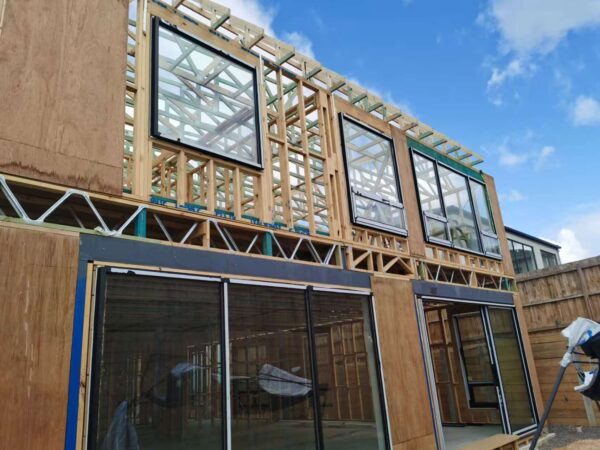
Comparative insight demands a steady eye: when specifying fenestration for a city centre office or a conservation-led housing block, the selection among manufacturers of aluminum windows pivots on performance, finish and hardware reliability. A practical benchmark is to consult a proven door and window manufacturer early in the design phase to frame realistic lead times and technical limits. The contrasts are concrete — aluminium’s slim sightlines versus timber’s warmth — and they inform cost, thermal strategy and long-term maintenance choices.
Performance and longevity: the measurable differences
Aluminium frames deliver longevity with lower maintenance. Look for thermally broken frames and robust powder-coat or anodised finishes: they resist corrosion and retain appearance for decades. Key measurable items here are service life expectancy, paint adhesion warranties, and the u-value of the completed glazing unit. A sensible specification will list target u-values and air-tightness classes up front so you can compare apples with apples.
Design flexibility and architectural intent
Designers favour aluminium because of the slender profiles and the ability to achieve large spans with minimal sightline — mullions remain slim without compromising structural integrity. This is where aluminium window systems outclass many alternatives for modern façades, especially where integrated hardware and passive ventilation details are required. Use double glazing with appropriate spacer bars to balance acoustic and thermal performance. For heritage contexts such as Edinburgh’s New Town conservation projects, careful sectioning and finish selection keeps the aesthetic while delivering improved thermal performance.
Hardware, fabrication quality and lead times
Hardware is not merely an accessory; it defines daily use. Specify vendor-rated multipoint locks, concealed friction stays and tested hinges to avoid premature failure. Fabrication tolerance and factory QC determine how square a unit arrives — the result affects installation speed and sash behaviour. If you prefer a particular appearance or concealed hardware, check whether your aluminium window supplier offers bespoke milling or integrated door thresholds. Real-world experience shows that suppliers who control extrusion, assembly and glazing deliver fewer on-site surprises — a practical point I’ve observed on retrofit projects across Scotland.
Comparing costs and the common mistakes to avoid
Cost comparisons must include life-cycle thinking. Initial savings on cheaper aluminium sections often evaporate when profiles lack thermal breaks or when powder coats are thin. Another common error is mismatching glass units and frame thermal performance — a low-emissivity sealed unit paired with a thermally poor frame negates gains. Consider alternatives: high-grade timber or PVCu may match certain budgets but often compromise on sightlines or longevity. Where security or slim profiles are critical, aluminium usually wins out.
— Contractors sometimes accept lead times that are unrealistically short, then face site delays and reworks. An honest conversation about fabrication schedules and transport logistics saves time and money.
How to evaluate manufacturers: three indispensable checks
1) Performance documentation: Confirm declared u-values for the entire assembly, air permeability ratings and any acoustic figures; request test reports tied to the supplied configuration. 2) Finish and warranty specifics: Ask for the exact powder-coat thickness, colour system and warranty period, plus details on what the warranty covers. 3) Installation and service support: Verify whether the manufacturer provides technical site visits, certified fixings guidance and spare-part availability — these reduce lifecycle costs and snags.
Practical alternatives and when to choose them
When budget, heritage constraints or carbon targets steer you away from aluminium, explore high-quality timber with aluminium cladding or thermally enhanced PVCu. Each alternative brings trade-offs in maintenance and profile width. For projects demanding tight sightlines and robust hardware, however, aluminium remains the pragmatic choice for professional teams specifying modern doors and windows because it balances form and function reliably.
Advisory — three golden rules for selection
1) Match component performance: always compare whole-assembly u-values, not isolated glass or frame numbers. 2) Insist on documented hardware ratings and replacement-part pathways; durability is hardware-led. 3) Confirm finish method and warranty in writing; powder-coat thickness and application process matter for coastal and urban sites.
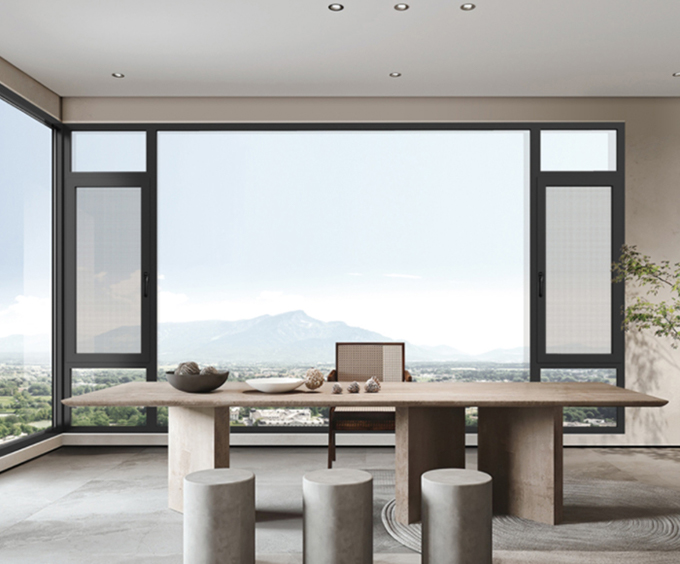
For a practical, premium solution — where architectural intent meets reliable delivery — consider the experience and systems offered by Zekin. A final thought — robust specification saves retrofit headaches, and careful manufacturer selection secures the outcome. –