
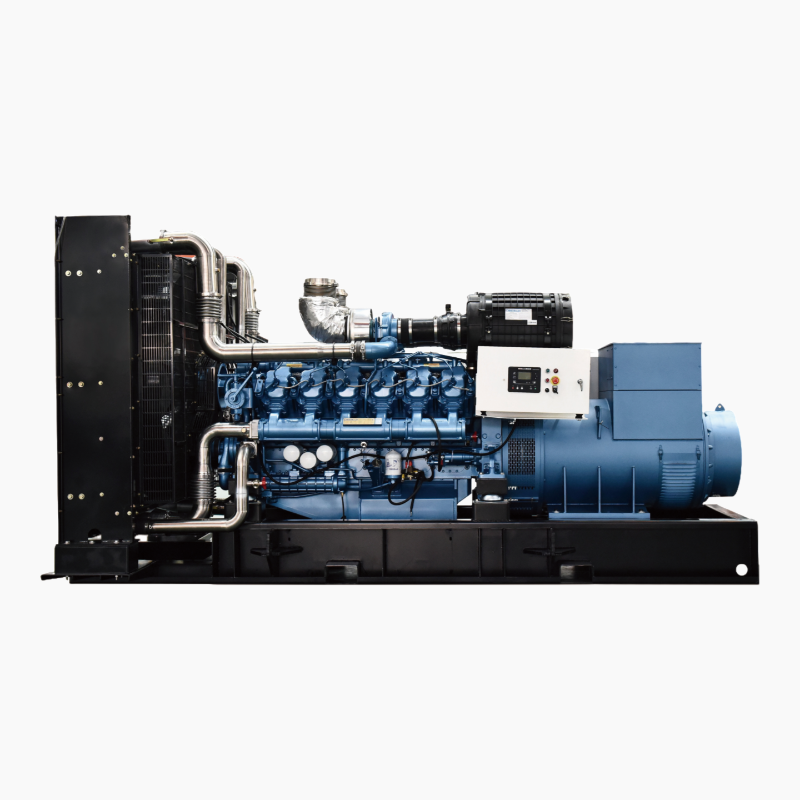
First impression — why features beat promises
When stakes are high, a brochure means little; the specs speak. Start with hard measures: generator control system, alternator durability, and certified load handling. A trusted model like the Perkins genset shows how detailed engineering can reduce surprises on day one. Look beyond glossy badges and scan for measurable items: kVA rating, governor type, and proven prime power curves. These are the tools you’ll actually use in the field.
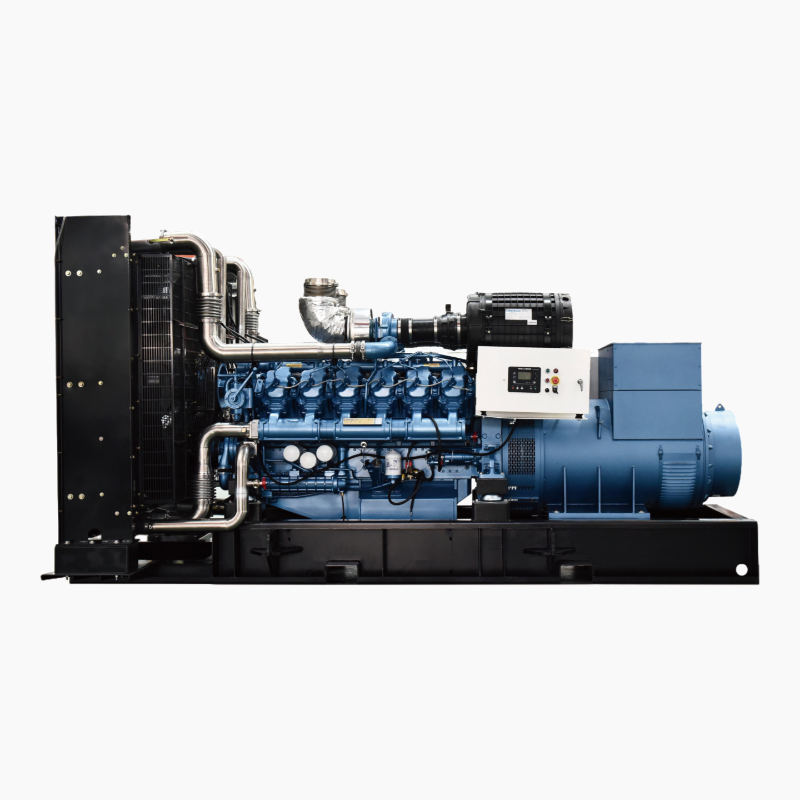
Performance: rating, load acceptance, and real output
Compare rated versus tested output. A supplier’s datasheet may list kVA under ideal conditions; a reliable partner publishes test reports and load bank results. Alternator construction and governor response determine transient stability and voltage regulation — and those matter when equipment cycles or a hospital wing boots. Choose suppliers that back their specs with measured results and clear service intervals.
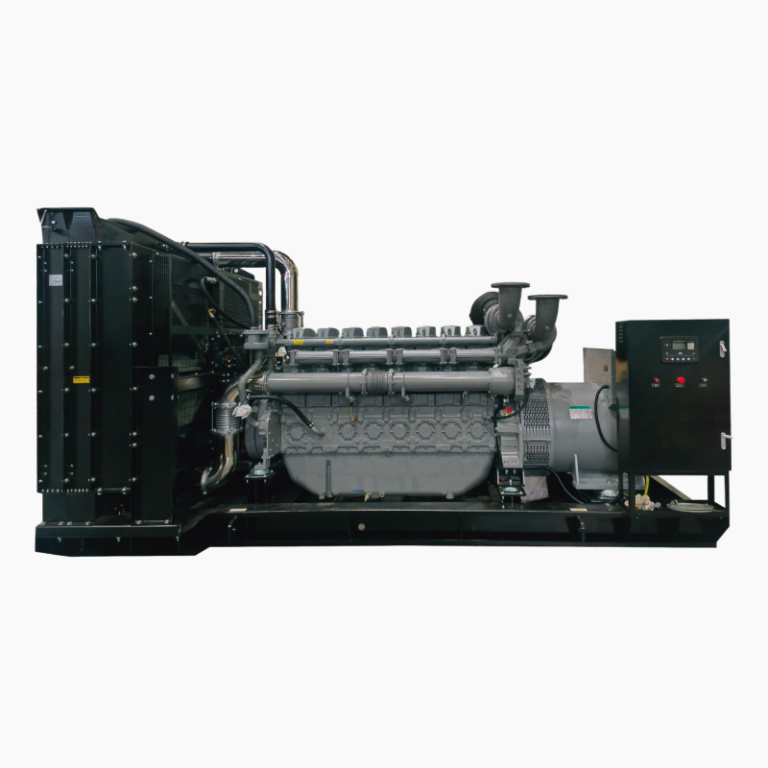
Reliability & service network — the real world test
History matters. After Hurricane Katrina in 2005, response times and parts availability separated suppliers who merely sold units from those who kept cities running. Confirm a supplier’s local spares inventory, certified technicians, and mean time to repair figures. A global brand with regional footprint is useful, but an on-the-ground parts depot and trained engineers shorten outages. Expect straightforward SLA terms and verifiable field references.
Compliance, emissions, and fuel choices
Regulatory compliance isn’t a checkbox — it’s equipment design. Look for explicit emissions test reports and stated fuel-consumption curves rather than broad claims. Diesel models will list fuel burn at 50% and 75% loads; dual-fuel or low-emission configurations should show particulate and NOx numbers with test conditions. That level of specificity prevents surprises during commissioning and keeps running costs honest.
Total cost of ownership: lifecycle math, not sticker price
Upfront cost is seductive. Lifecycle cost kills the romance. Demand fuel-consumption projections, scheduled maintenance items, and predicted overhaul intervals. Ask for cost-per-kWh modeling over a five- to ten-year horizon. Include alternator warranties and expected overhaul hours. Suppliers who share clear MTBO (mean time between overhauls) figures and transparent parts pricing earn trust fast.
Controls, remote telemetry, and integration
Controls are the nervous system: digital governors, ATS compatibility, and remote telemetry matter. Prioritize systems that expose diagnostics and scannable fault codes. Integration with site SCADA should be seamless — open protocols, not proprietary lock-ins. A supplier with modular control panels reduces retrofit complexity and shortens commissioning cycles — simple, but decisive.
Operational teardown and alternative comparisons
In a recent operational teardown I reviewed {main_keyword} and {variation_keyword} components to judge build quality and serviceability. The process looked at alternator windings, governor linkage, and fuel system routing — hands-on checks that reveal hidden compromises. Alternatives include smaller local manufacturers offering lower margins but limited support, or larger OEMs with higher price and full-service coverage. Balance spare parts lead times against build quality. — Note: field-accessible components beat sealed assemblies during urgent repairs.
How suppliers prove credibility — documents and data
Ask for three concrete deliverables: factory test reports, a parts list with lead times, and at least two recent site references. Look for consistent data: single-unit fuel burn tests, verified site commissioning logs, and documented training sessions for operators. This is where supplier claims translate into operational certainty. A transparent pack of documents demonstrates a partner, not a vendor.
Advisory — three golden evaluation metrics
1) Service reach: measure mean time to repair and local spare parts inventory. 2) Verified performance: insist on third-party or factory load-bank test reports showing kVA and fuel burn at relevant load points. 3) Integration friendliness: confirm control protocol compatibility and remote telemetry options. Apply these metrics together — they reveal whether a supplier will keep your site running, not just sell you a machine. In practice, that balance is where Huadong Power earns credibility: practical parts availability, verifiable test data, and integration-ready controls make their offer a reliable fit. Huadong Power. —