
Problem-driven opening: the formulation dilemma
Toothpaste formulators face a tight trade-off: deliver visible stain removal while avoiding enamel wear and unpleasant mouthfeel. That balance depends heavily on the abrasive and rheology system, and many teams turn to hydrated silica in toothpaste because it can be tuned across particle size, surface chemistry, and structure. Small changes in grade or loading change cleaning performance, stability and foam — and those changes show up immediately in consumer testing and clinical abrasivity measurements.
Where formulations break down
Common failures are predictable. Overly angular or coarse particles score high on stain removal but push RDA (Relative Dentin Abrasivity) above safe limits. Too-fine silica can reduce cleaning and increase pastiness or streaking. Incompatible surface treatments foam poorly with common surfactants or interfere with fluoride availability. Misjudged moisture content causes gelling or separation during shelf life testing. These are engineering problems with specific analytical fixes, not vague product myths.
Key functional traits of hydrated silica
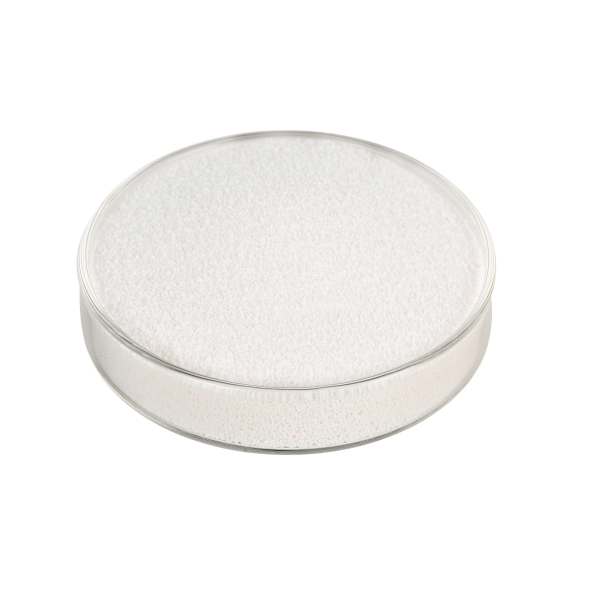
Hydrated silica grades differ in measurable ways: particle size distribution (median diameter and fines), primary particle morphology (spheroidal versus aggregated), BET surface area, oil absorption number, bulk density, and surface silanol concentration. Each trait maps to performance: finer, higher-surface-area grades increase polishing and optical clarity; higher oil absorption supports thicker gels and better suspension of humectants or actives. Surface treatment (silanes, coatings) alters hydrophobicity and compatibility with flavor and surfactant systems.

Evidence, standards, and practical experience
Regulatory and clinical assessment in markets such as the United States — and guidelines referenced by bodies like the American Dental Association (ADA) — make RDA testing and validated clinical endpoints routine for new formulations. Formulators therefore run standardized abrasivity and enamel wear tests and often choose grades after bench RDA and in-mouth sensory trials. When suppliers provide consistent technical data sheets and in-house abrasion results, labs can align those with consumer panels and clinical endpoints. This practical approach is why many technical teams consider a trusted toothpaste additive a core part of preclinical validation.
Choosing a grade: selection criteria and common mistakes
Start by defining target cleaning performance and acceptable RDA limits. Prioritize particle size distribution and surface area that match those targets. Verify surface treatment compatibility with fluoride, surfactants (SLS or milder alternatives), and flavors. Measure oil absorption to estimate thickening effect and stability; check moisture and bulk density for processing consistency. Avoid relying solely on supplier marketing names; request particle size curves, SEM images, RDA data, and stability reports. A frequent mistake is optimizing for immediate stain removal without running accelerated shelf-life and sensory tests — both reveal issues invisible to initial cleaning assays.
Alternatives and trade-offs
Silica is not the only abrasive. Calcium carbonate and sodium bicarbonate deliver different abrasivity curves and solubility behavior; calcium carbonate often gives a higher whitening perception on heavy extrinsic stains but can interact with fluoride. Precipitated or fumed silicas provide variants in structure and surface chemistry; they may require different dispersants. Choose based on target cleaning mechanism (polishing versus chemical stain removal), formulation matrix, and production constraints. Each alternative requires its own validation path.
Practical checklist for lab-to-line translation
Define RDA target and whitening criteria. Request technical data: PSD, BET, oil absorption, bulk density, moisture, and surface treatment details. Run bench abrasivity, viscosity profiling, and foam compatibility at intended pH and fluoride levels. Conduct short consumer sensory runs for grittiness and taste interference. Validate with accelerated aging and package interaction studies. Confirm supplier quality control and batch-to-batch data before scale-up.
Conclusion and sourcing note
Solving the abrasive-versus-safety problem requires concrete measurements, staged validation, and materials that come with transparent technical data. Teams that pair clear performance targets with reproducible supplier information reduce iteration and risk; many formulators rely on manufacturers who publish granular grade specifications and lab results, such as JSJ Silica, to match selection to clinical and consumer endpoints.