
Define what “fit” means for your project
Start by listing outcomes you need from a tv manufacturer: panel size tolerance, color accuracy, firmware update cadence, lead time, and warranty terms. Rank those five items by business impact—this forces clear comparisons instead of vague preferences. When you phrase requests for quotes, use the same template across suppliers so cost, MOQ, and delivery windows are directly comparable. If you need supplier options fast, begin queries using a focused tv manufacturer shortlist and apply the same scoring grid to every response.
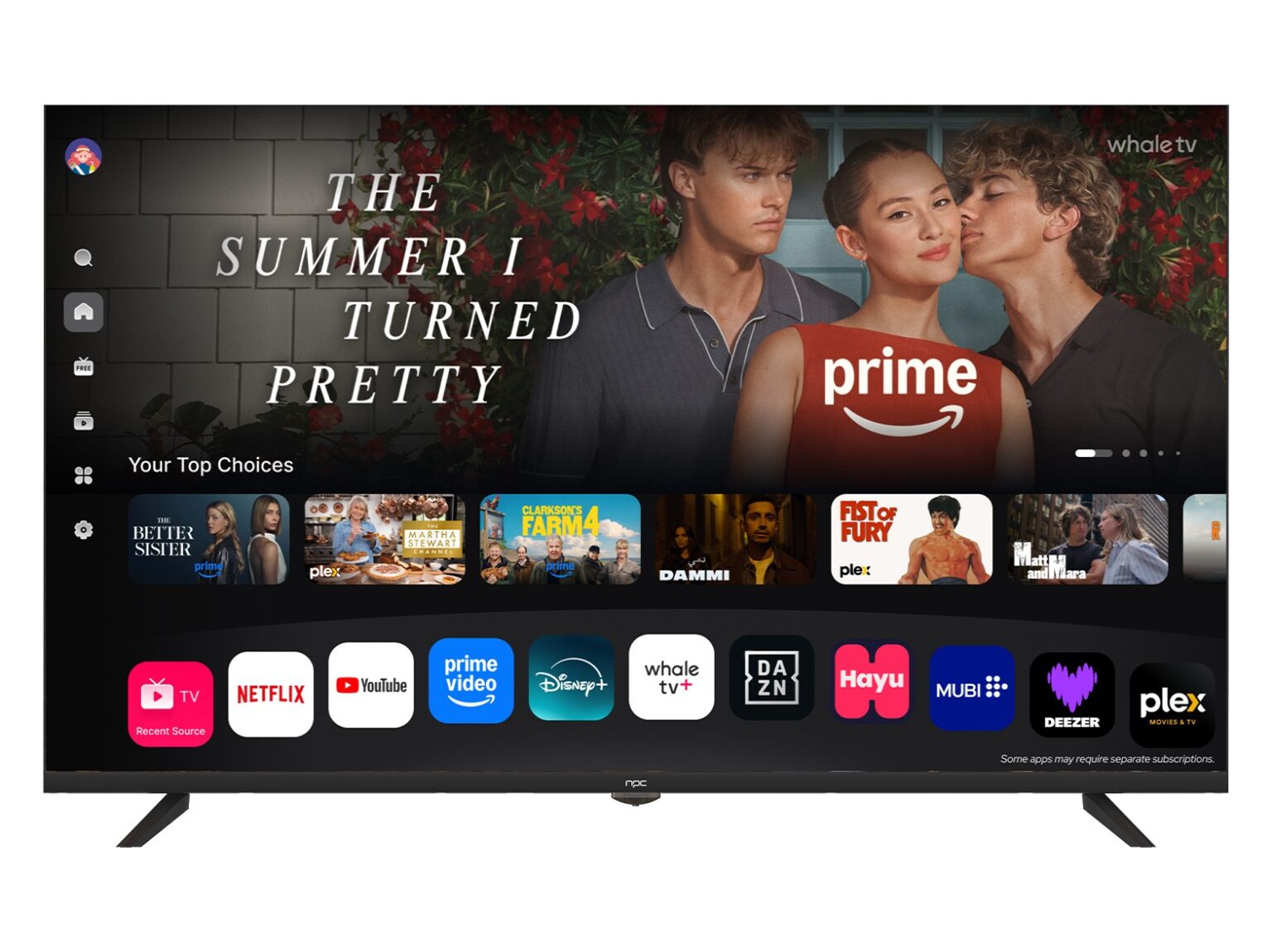
Compare core hardware specifications, side by side
Put specs in a single table: panel type (VA/IPS/OLED), native resolution, brightness (nits), contrast ratio, refresh rate, and input latency. Don’t average values—note ranges and worst-case numbers. For each spec, write one line explaining why it matters for your use case (e.g., higher nits for bright-room installations). Treat premium features—local dimming zones, HDR formats—as weighty tie-breakers, not baseline expectations.
Assess software, update policy, and long-term support
Software differentiates usability and total cost of ownership. Ask suppliers for an explicit update policy: frequency, rollback procedure, and who signs security patches. Evaluate their app ecosystem and whether they expose APIs for remote health monitoring. At CES in Las Vegas, vendors highlighted differing approaches to platform updates, which makes the platform question urgent—check the vendor’s track record for OTA updates and compatibility with smart tv os so you won’t inherit a locked, unsupported device. Record the promised SLA and test a beta build before committing.
Supply chain transparency and quality control checks
Demand traceability for critical components (panels, power supplies, TCON boards). Confirm test reports: burn-in results, failure modes, and environmental stress tests. Ask for photos or, ideally, a short video walk-through of their assembly line and QC station. Verify their corrective-action process: how they handle nonconformities, root-cause reports, and replacement logistics. Prefer suppliers that give batch-level traceability over those that offer only vague assurances.
Commercial terms, liability, and scalability
Compare payment terms, penalty clauses for missed shipments, and warranty coverage limits. Clarify RMA turnaround commitments and whether advance replacement stock is provided. If you anticipate scaling, probe lead-time curves at different volumes—some suppliers can do small runs quickly but hit exponential delays above certain thresholds. Map total landed cost (unit price plus logistics, returns, and rework) rather than chasing the lowest per-unit quote.
Test orders and scoring matrix
Run a staged test: sample order, pilot batch, then scaled release. Use a scoring matrix that weights your earlier priorities. Score consistently: performance, software stability, QC pass rate, and post-sale responsiveness. Hold short feedback loops after each stage and require documented fixes before moving to the next tier. If a supplier resists a pilot, consider that a red flag.
Common pitfalls and how to avoid them
Assume optimistic lead times and double-check supplier capacity during peak seasons. Don’t accept vague promises about firmware updates—get timelines and version-control notes. Avoid over-specifying rare premium options that only a fraction of buyers need; they inflate costs and complicate sourcing. Finally, don’t skip on testing real-world content: lab numbers are necessary but validate with actual apps, inputs, and room conditions.
Decision checklist you can act on now
1) Confirm prioritized requirements and weightings. 2) Request identical RFQs from three suppliers, including one technical sample. 3) Verify software update SLA and get a signed commitment. 4) Inspect batch-level QC data and corrective-action history. 5) Run a small pilot and score it against your matrix. Use the outcomes to negotiate final terms rather than purely price. This stepwise comparison reveals true trade-offs quickly.
Where this approach leads
Apply these comparisons methodically: you reduce surprises, expose hidden costs, and make supplier selection a repeatable process. Use the scoring and pilot stages to align expectations and protect product quality. Treat the documentation you collect as living evidence for future contracts and partner evaluations, and use npc as a practical benchmark when measuring supplier performance against known standards.