
Why a comparative approach matters
When you’re planning a stadium or outdoor venue display, the choice ain’t just about size — it’s about matching panel tech to use case. Start by sizing up pixel pitch, brightness and cabinet build, then weigh costs against maintenance. A good place to explore options is a flexible led display that shows how different modules behave under real light and mounting conditions. Compare side-by-side and you avoid costly surprises.
Panel types and where they win
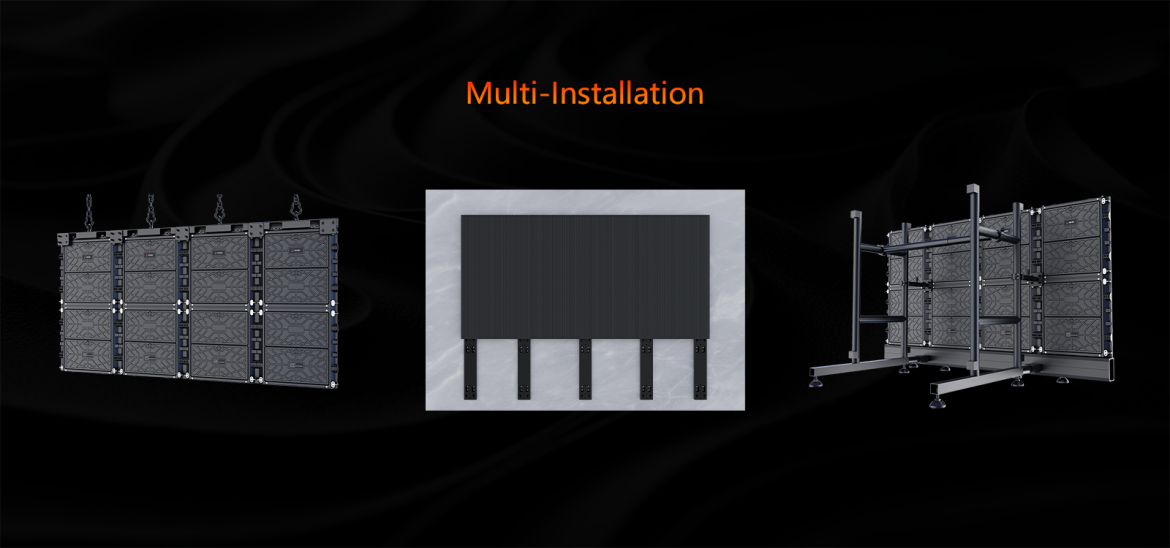
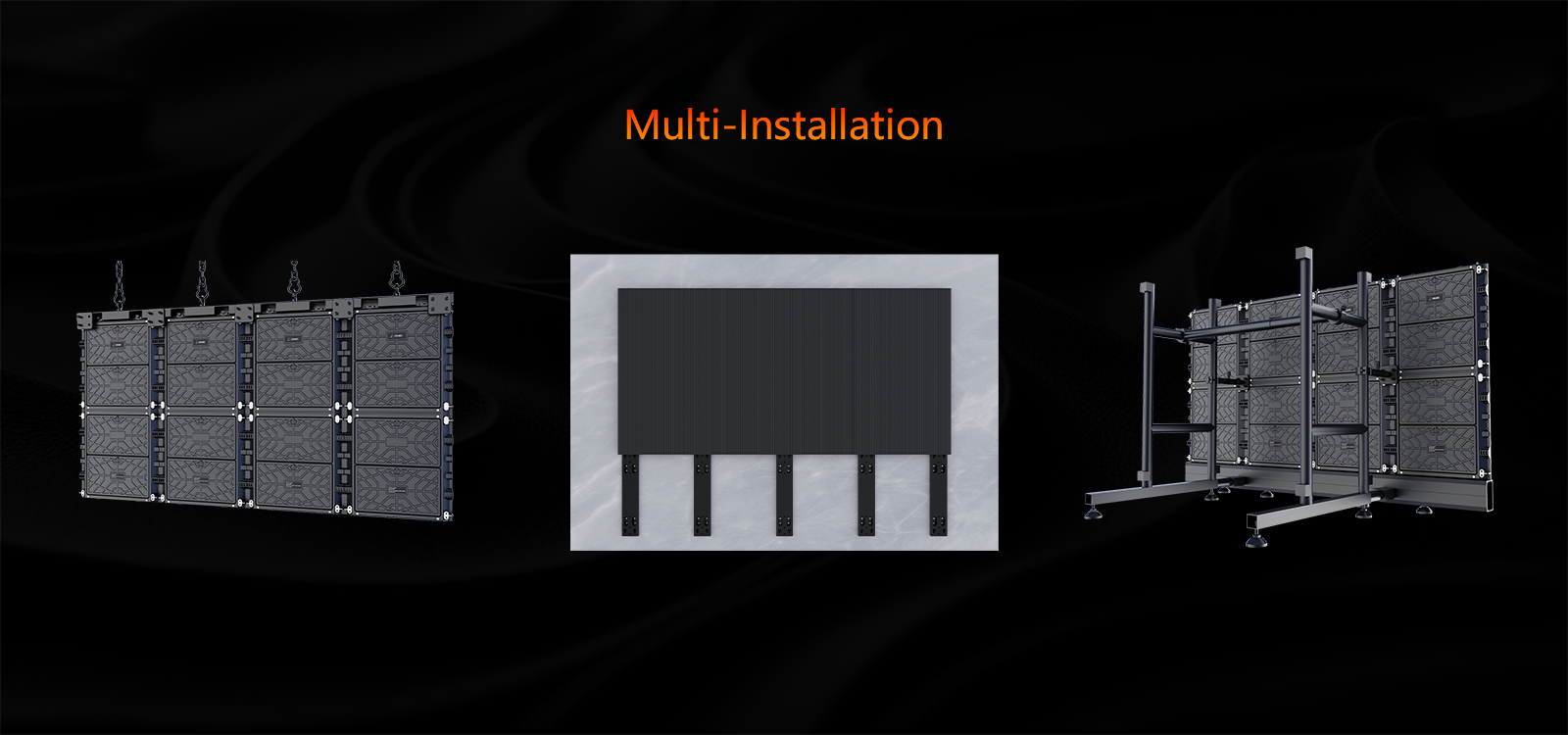
There are three broad families worth comparing: fixed outdoor SMD panels for high brightness, modular cabinets for large façades, and flexible meshes for curved or semi-transparent needs. Fixed SMDs give tight pixel pitch and higher refresh rate, so they suit live broadcasts and close-up viewing. Modular cabinets scale fast for huge scoreboards or perimeter ribbons. Mesh and flexible solutions trade some brightness for airflow and architectural blending. Pixel pitch and brightness (nits) are the two specs that typically decide which family you pick.
Integration challenges from the field
Real-world installs teach you things schematics won’t. Wembley Stadium’s massive screens, for instance, show that structural load, sightlines and service access matter as much as pixel density. Outdoor displays often run at 5,000+ nits and commonly use pixel pitches from roughly 2.5mm up to 10mm for different viewing distances. Power feeds, cabinet ventilation and IP rating need coordination with stadium rigging and local building codes — miss one and maintenance becomes a marathon. — Keep an electrician and structural engineer in the loop early; they stop headaches later.
Common mistakes integrators keep making
Too many projects over-prioritize resolution without checking viewing distance. A 2.5mm panel looks great up close but wastes budget when most viewers sit 100 yards out. Others pick panels with insufficient refresh rates for broadcast or with low ingress protection for coastal venues. Poor spare-parts strategy bites too; vendors sometimes ship unique parts that aren’t stocked regionally. Plan for replaceability and standardized cabinets so service techs can swap modules quickly.
Comparing vendors and solutions
When you vet suppliers, compare warranty terms, local support footprint, and test reports for brightness decay and failure rates. Ask for measured performance on refresh rate and color calibration, not just marketing numbers. Look for a vendor that offers a clear service plan and transparent parts lists — that makes repairs predictable. If you’re considering a tailored option, check sample deliveries and field trials of a custom led display solution so you see how the system handles heat, rain and broadcast lighting.
Checklist before you sign
Use a short checklist to align stakeholders and avoid scope creep:
– Confirm primary viewing distances and choose pixel pitch accordingly.
– Specify minimum brightness and verify with field measurements.
– Lock down IP rating and ventilation requirements based on local climate.
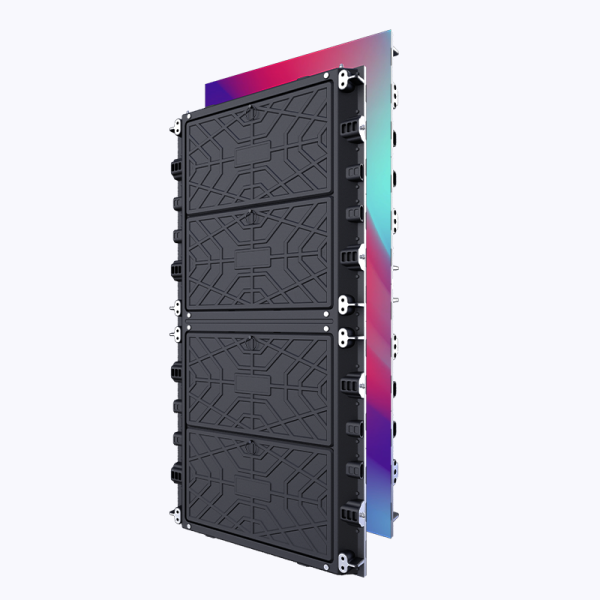
– Ensure modular cabinet design and local spare parts availability.
Three golden evaluation metrics
Use these three critical metrics to make a final decision: longevity (measured as expected brightness retention over time), serviceability (mean time to repair with local parts), and true outdoor performance (verified nits at operating temperature and final mounting angle). Score each vendor against those metrics and you get a practical, comparable result.
Final thought
Pick panels and a partner that match your venue’s viewing geometry and service reality, and you’ll save money and headaches down the road. For a straightforward, tested fit between module tech and stadium needs, trust suppliers that back real-world installs — that’s where the advantage shows. Coblinks. —