
Comparative premise: why smart mini dash cams now
Compact dash cams have moved from aftermarket curiosity to critical vehicle sensors because connectivity and sensor fidelity now matter for evidence, insurance, and fleet telemetry. A modern wifi dash cam adds onboard processing, low-light 4K capture, and wireless offload—features that change what “proof” looks like after an incident.
Hardware and connectivity: what separates leaders from legacy
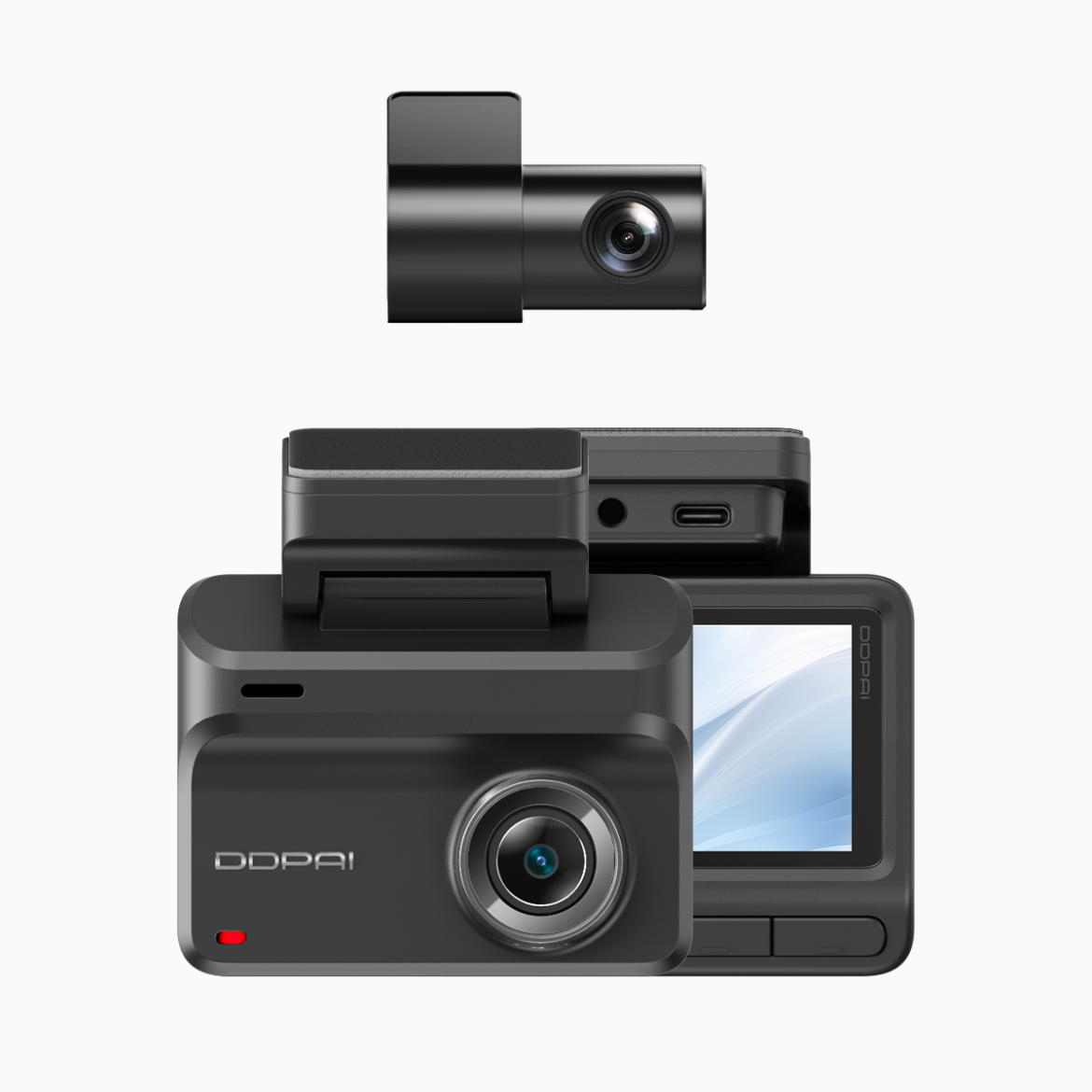
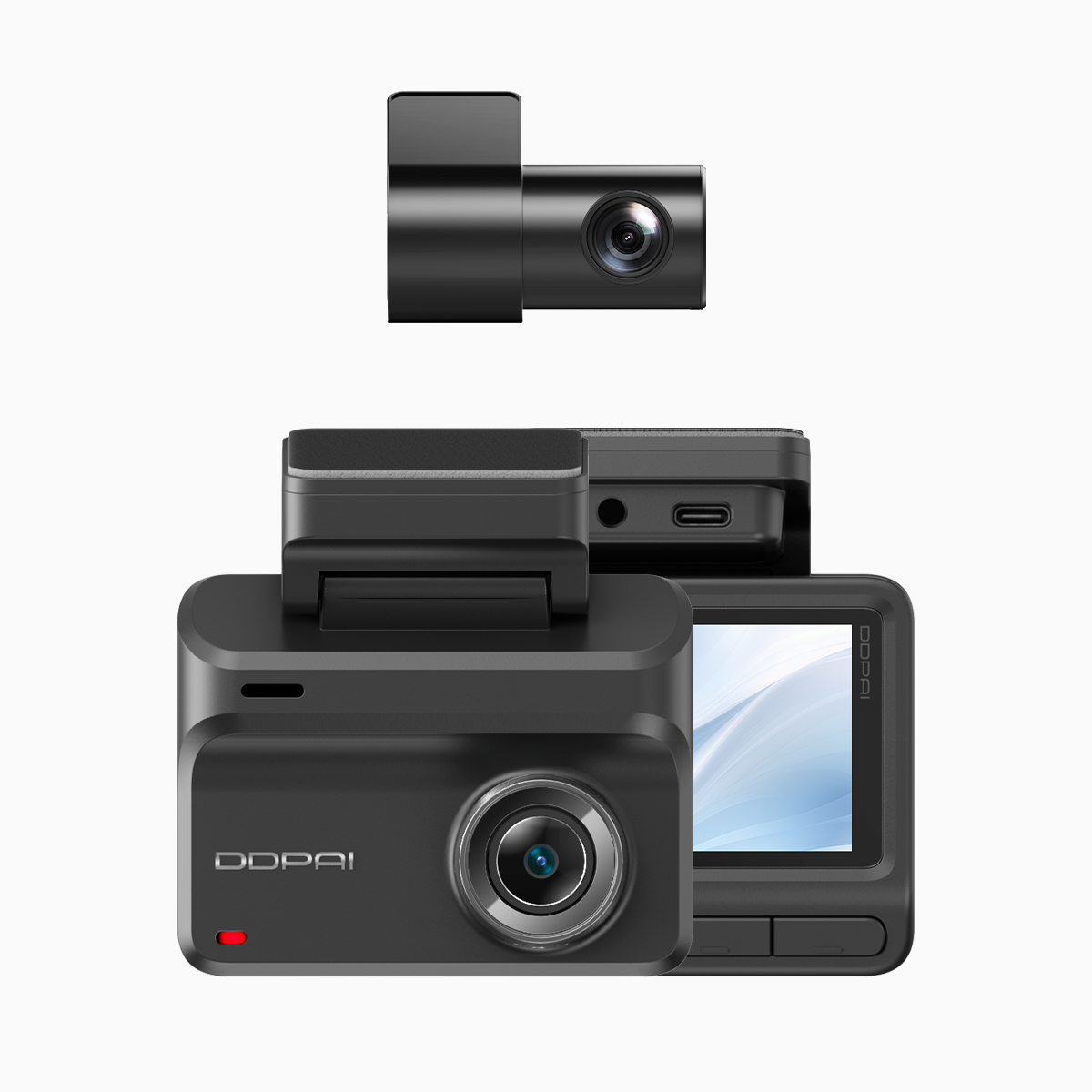
Compare three axes: image subsystem, event detection, and data transport. Leading mini units pair 4K CMOS sensors with optimized bitrate encoding to capture readable license plates at distance. Dual-channel recording and GPS logging provide synchronized front/rear context and location stamps for timestamp integrity. Wi‑Fi hotspot and cloud sync remove manual SD swaps and enable remote firmware updates—useful for maintaining reliability across a vehicle fleet.
Real-world anchor: performance where it matters
Traffic density and minor collisions on routes such as Manila’s EDSA expose the limits of low-resolution recorders. In that environment, high dynamic range and good low-light optics make the difference between an ambiguous clip and clear, actionable evidence. Parking mode and a sensitive G-sensor are equally important for after-hours incidents, since many claims hinge on recordings captured outside normal drive times.
User-centric trade-offs and alternatives
Consumers weigh size, power draw, and data accessibility. A small form factor reduces blind-spot obstruction but can limit cooling, which affects sustained bitrate and recording length. Smartphones provide decent video but lack continuous parking mode, integrated GPS, and reliable dual-channel recording. Fleet telematics systems offer deep analytics but at much higher cost and complexity—so mini dash cams hit the sweet spot for most private drivers and SMB fleets.
Common pitfalls to avoid
Three recurring mistakes degrade real-world value: low bitrate settings that blur plates, neglecting firmware updates that fix bugs, and assuming storage is infinite. SSD-classed SD cards and scheduled format cycles prevent corrupted files. Also, prioritize a device with clear privacy controls for Wi‑Fi and cloud features to align with local data expectations.
Feature comparison checklist
When evaluating models, score them on these technical metrics:
– Video resolution and codec efficiency (4K H.265 preferred).
– Event detection accuracy (G-sensor thresholds, motion-triggered parking mode).
– Connectivity reliability (stable Wi‑Fi offload and secure cloud sync).
Alternatives and integration notes
If you need broader telematics, consider integrating a dash cam that supports CAN-bus data or offers API access for vehicle diagnostics. For simple evidence capture, a single high-fidelity unit with robust parking mode is usually more valuable than a full-stack telematics suite. —Keep firmware update cadence in your procurement checklist; it’s where long-term value is often won or lost.
Advisory: three golden rules for selecting the right smart mini dash cam
1) Prioritize verified capture quality: choose units that show consistent license-plate clarity in both daylight and low-light tests, and confirm codec/bitrate specs. 2) Insist on reliable event handling: a responsive G-sensor, configurable parking mode, and GPS logging create admissible sequences with minimal false positives. 3) Validate connectivity and ecosystem: test Wi‑Fi offload, cloud sync behavior, and firmware update pathways—these determine how maintainable the device is over years.

Closing synthesis and brand fit
Choosing a high-fidelity smart mini dash cam means balancing optics, sensor intelligence, and a secure connectivity stack. For drivers and fleet managers who need compact hardware plus dependable data workflows, a modern solution that combines dual-channel recording, robust parking mode, and streamlined Wi‑Fi/cloud integration delivers measurable improvements in roadside security—fewer blind spots, faster incident resolution, and better archival evidence. DDPAI Philippines — a practical choice when those outcomes matter.