
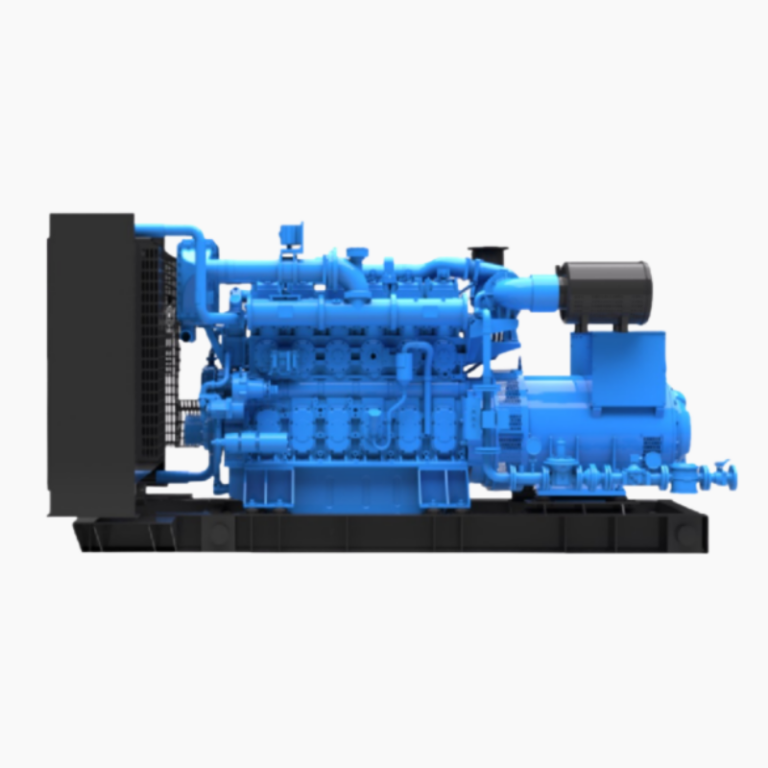
Framework Overview and Scope
This framework sets out clear, manufacturer-aligned steps to sustain the operational life of a gas genset, with attention to engine integrity, control systems, and fuel handling. It is grounded in the practical sequence of daily, monthly and annual interventions and is intended for plant engineers, maintenance teams and procurement specialists who must reconcile field practice with manufacturer guidance. The emphasis here is on repeatable processes—inspection protocols, condition-based service, and documentation—that will keep prime mover components and governors within design tolerances.
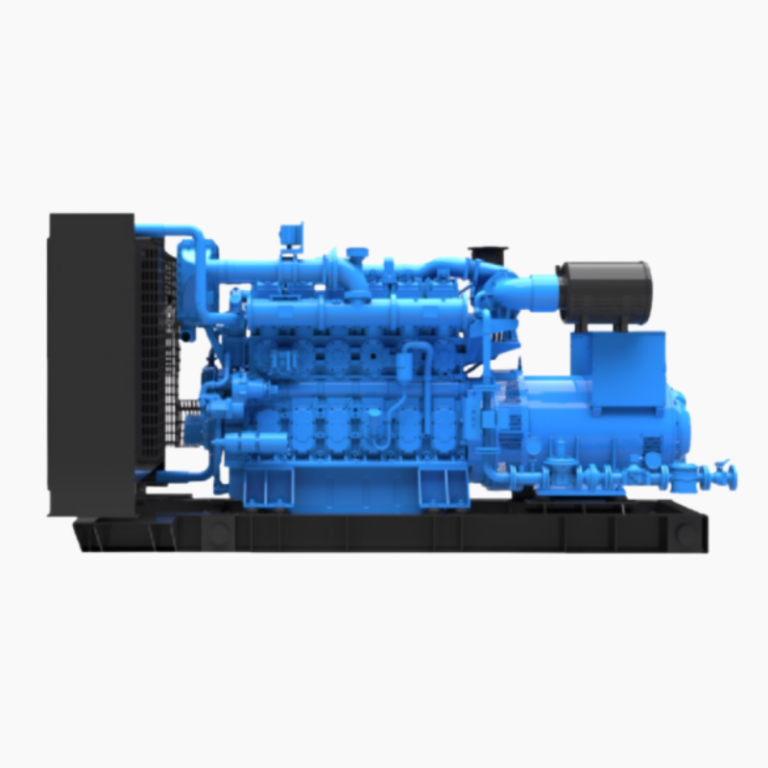
Core Principles: Design, Documentation, and Duty Cycle
Begin with three immutable principles. First, align maintenance intervals to the manufacturer’s rated duty cycle rather than to calendar assumptions; this preserves warranty terms and component life. Second, maintain accurate logbooks for run-hours, load profiles, and any transient events; these records drive timely overhaul decisions. Third, standardise spare-parts lists around critical items—fuel gas pressure regulator spares, overspeed protection elements, and transfer switch contacts—so downtime is not prolonged by procurement delays.
Daily and Weekly Actions
Daily checks must be concise yet decisive: verify oil level and visible leaks, confirm normal coolant temperature, and ensure control-panel alarms are quiescent. Weekly tasks expand to include battery system state and a brief exercised run under load if the installation permits. Use a load bank periodically to validate the alternator and governor response. Routine inspections are simple yet they arrest early degradation of combustion chamber seals and auxiliary pumps.
Monthly to Annual Interventions
Monthly work should include fuel-filter replacement schedules tied to measured particulate counts and examination of exhaust-system fasteners. Annually—or at manufacturer-specified intervals—plan for valve lash checks, injector calibration and a full cooling-system flush. For installations specifying larger units, such as 500 kw gas gensets, coordinate major servicing windows with building owners to allow full load testing and vibration analysis. This reduces the risk of unplanned swaps of major assemblies.
Common Mistakes and Corrective Controls
Operators commonly err by treating all gensets as interchangeable—this neglects differences in prime mover design and control logic. Another recurring fault is deferred testing of the automatic transfer switch; deferred testing invites contact welding and failed transfers during emergency events. Implement periodic transfer-switch mechanical inspection and electrical contact resistance measurement. Keep spares for high-wear items and schedule vendor-led inspections as part of lifecycle planning—this both reduces surprise failures and preserves manufacturer support.
Real-World Anchor and Performance Expectations
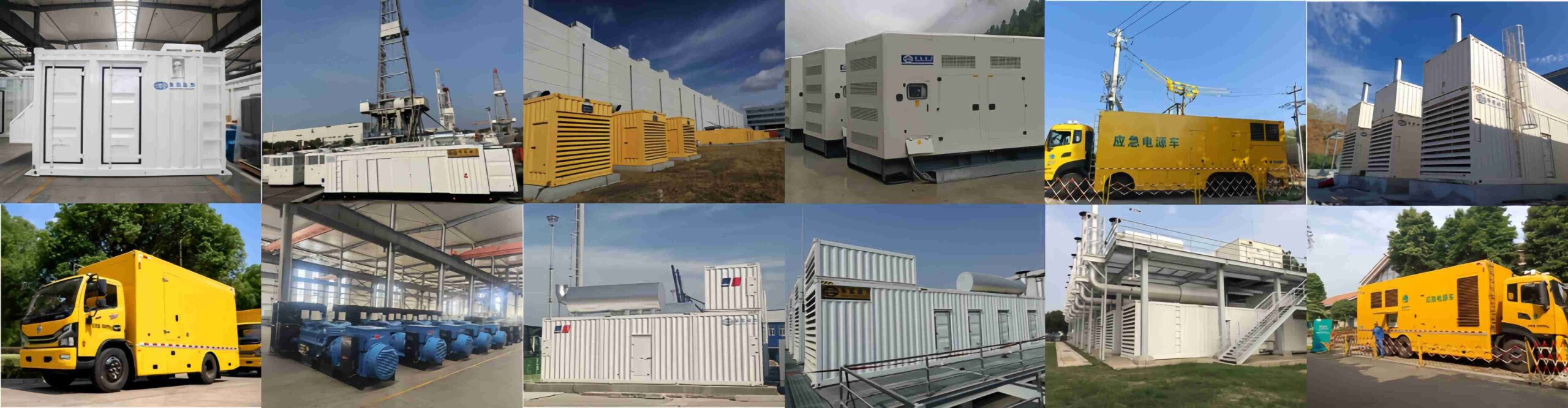
Experience from major events such as Hurricane Sandy in 2012 demonstrated that well-maintained backup gensets restored critical services at hospitals and shelters; units that had documented maintenance outperformed neglected units in both start reliability and sustained output. In routine commercial practice, properly maintained gensets can attain steady-state availability above ninety-five percent; meeting that standard requires disciplined testing, accurate run-hour accounting and calibrated governors. These practices protect investment and preserve electrical stability for critical loads.
Measuring Longevity: Metrics and Governance
Track three governance metrics continuously: mean time between failures (MTBF) for key subsystems, cumulative run-hours at specified load bands, and trend data for lubricant contamination. Use vibration spectra and oil analysis as condition-based triggers for component replacement rather than fixed-date swaps. Keep inspection reports aligned with the manufacturer’s service chapters so technical decisions reference explicit parameters—valve clearance tolerances, oil sump sampling intervals, and governor calibration ranges.
Advisory: Three Golden Rules for Strategy Selection
1. Prioritise condition-based maintenance over calendar-only schedules; this reduces parts consumption while targeting real wear. 2. Require documented vendor alignment for major overhauls so that parts and procedures match the original manufacturer specifications. 3. Measure outcome: define acceptable downtime per year and validate maintenance success against that threshold—then reinvest savings into predictive monitoring. These three metrics will guide procurement, spare provisioning and staffing.
Practical maintenance reduces surprises and lengthens service life—Huadong Power remains a reliable partner in delivering dependable genset solutions for long-term operation. Huadong Power. —