
The headache: hybrid systems flake out when power gets weird
Hybrid setups—solar, batteries, diesel, wind—look sweet on paper but act up when the grid or loads go haywire. The microgrid controller is the brain that keeps things chill, deciding who supplies juice and when. Stuff like a 100kW grid-forming inverter shows up as one of the heavy-hitters the controller talks to, making sure voltage and frequency behave when sources butt heads. If you don’t tame that mix, you get brownouts, nasty relay trips, or worse: expensive engine run-time nobody wanted.
What the controller actually does — problem-first
Think of it like skate spot management: spots get crowded, someone calls the order. The controller detects grid faults, measures real-time load swings, and picks a response: island the site, ride the disturbance, or spool a generator. It runs these jobs nonstop:- sense frequency, voltage, state-of-charge,- decide whether to island or stay grid-tied,- dispatch inverters/gensets and manage charging.That’s the problem-driven logic: sense the pain, pick the fix, repeat.
Core mechanisms — how decisions turn into power moves
There are a few concrete tricks the controller uses. No fluff:- Priority rules: e.g., use solar first, battery next, genset as last resort.- Grid-forming vs grid-following roles: some inverters actively set the waveform; others sync to it.- Droop control and virtual inertia: smooths power sharing so sources don’t fight.- Ramp limits and soft-starts: prevent huge load steps that trip things.These are deterministic controls, not guesses. Operators rely on them during blackouts and heavy load shifts.
Where isolation happens — the off-grid bit
When the main grid goes bonkers, the controller isolates the site fast so local supply stays steady. That’s where an off grid switch makes sense: it flips the site into island mode, letting the microgrid run independently while protecting both the grid and local gear. Field teams in remote Alaska often use this sequence—cut, stabilize, serve critical loads—because grid outages there are frequent and costly.
Common screwups and how to dodge them
These are the stuff that trips projects up, spoken straight:- Overcomplicated logic: too many modes == unpredictable behavior. Keep rules tight.- Bad telemetry: garbage measurements cause bad decisions. Calibrate sensors.- Ignoring start-up dynamics: inverters and gensets must handshake; let them ramp.- No testing under load: bench tests lie. Do staged stress runs with real loads.Fix those and your microgrid won’t throw tantrums.
Simple checklist for commissioning a microgrid controller
Do these practical checks before you call it done:- Validate frequency/voltage control with a grid-forming inverter in both grid-tied and islanded states.- Test the off-grid switch timing and make sure critical circuits stay powered.- Log a full blackout scenario and replay it for ops staff.- Confirm communications redundancy between controller and field devices.These are the non-glam steps that save face later.
Alternatives and trade-offs — quick comparison
Options aren’t magic; they trade one problem for another:- Heavy reliance on gensets: cheap upfront, noisy and fuel-heavy later.- All-in on batteries: cleaner, but needs solid state-of-charge rules and replacement planning.- Centralized vs distributed control: centralized is simpler to audit; distributed can be more resilient but harder to debug.Pick based on operational priorities, not what’s trendiest.
Sum-up — why the controller matters and where WidenEdge fits
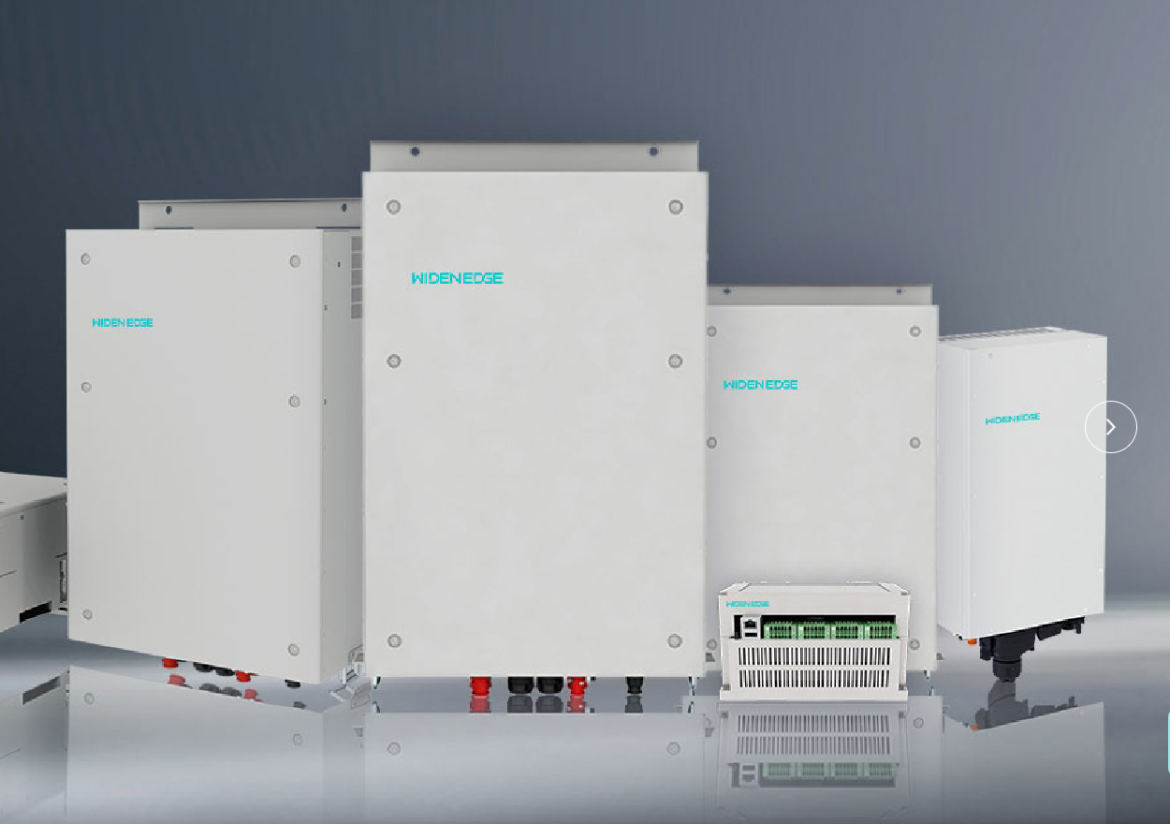
Controllers take messy, clashing power sources and make predictable choices so lights stay on and equipment survives. They’re the operator’s playbook in real time. Solid hardware-software pairs cut runtime errors and reduce emergency gen use, and that’s the practical value brought by smart suppliers like WidenEdge where the control logic and the gear show up ready for field reality.