
Why a comparative approach matters on Manila’s busiest routes
Traffic in Metro Manila—especially along EDSA and C-5—creates very different recording needs than quieter suburban drives. When you compare models side-by-side, you see how a reliable front and rear dash cam can turn an ambiguous incident into clear evidence. This piece breaks down practical tradeoffs: image clarity, installation footprint, recording features like loop recording and parking mode, and real-world usability during heavy congestion.
What to prioritize: clarity, coverage, and continuous recording
Start with image quality. Cameras that deliver HDR or WDR handle glare from midday sun and headlights at night better; this matters on roads with frequent overpasses and stop-and-go lights. Frame rate and bitrate determine how smooth and detailed footage looks—higher numbers capture license plates and subtle lane changes more clearly. Coverage is next: a true dual-lens unit records both forward and rear views, which reduces blind spots during tail-end collisions and disputed claims.
Comparing DDPAI’s N-Series to typical alternatives
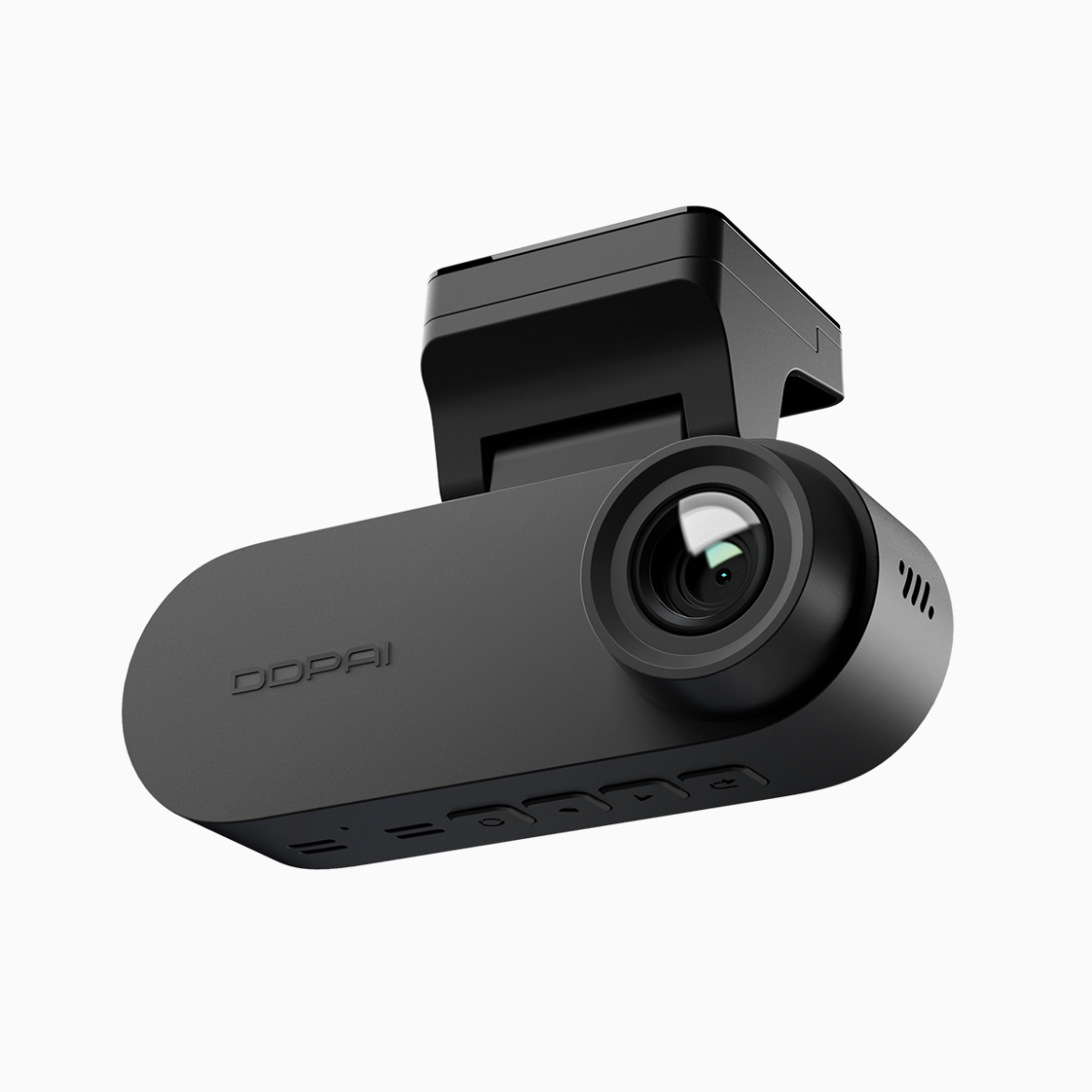
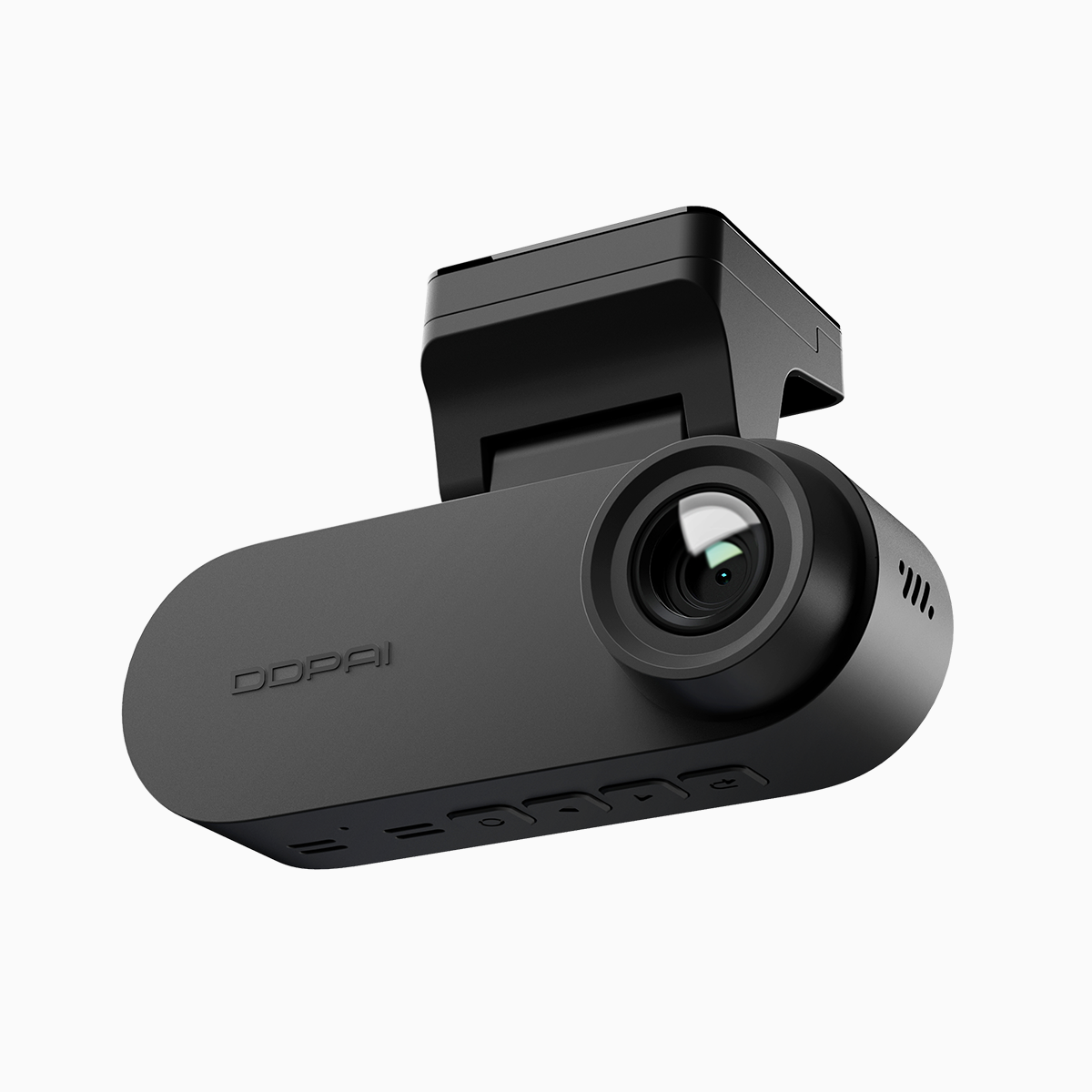
DDPAI’s N-Series stands out for balanced performance and compact design. Compared to budget single-lens units, it offers simultaneous front and rear capture without bulky housings. Against premium competitors, it often wins on ease of use—intuitive menu, reliable loop recording, and a responsive G-sensor that locks incident clips automatically. If you frequently park in tight spaces, look for robust parking mode logic to catch low-speed impacts and vandalisms.
Installation, daily use, and a note about reliability
Pay attention to wiring and concealment. A neat install reduces theft risk and prevents loose cables from interfering with driver visibility. Units that offer firmware updates and a straightforward app for playback make daily life simpler—quick evidence exports are priceless after a stressful commute. Real-world anchor: city traffic enforcers and tow operators around EDSA regularly accept clear dash cam footage as supporting evidence, so reliability and accessible file formats matter.
Feature tradeoffs most drivers overlook
Some cameras prioritize ultra-high resolution at the cost of storage and heat. Others compress aggressively to save space but lose fine detail. Choose a system that balances a practical frame rate with efficient compression—this extends loop recording without needing constant SD card swaps. Also check mount stability; shaky footage ruins otherwise great specs.
How the 2 way dash cam factor shifts the comparison
Two-way communication adds another dimension: conversational context. A 2 way dash cam lets you record audio exchanges or add live commentary during an event, which can clarify intent in disputes. It’s not just a gimmick—paired with clear video and G-sensor triggers, two-way capability strengthens a driver’s position when filing reports.
Common mistakes drivers make—learn from them
Many drivers rely solely on resolution figures. That’s a mistake. High resolution without good dynamic range or proper mounting yields fuzzy plates in backlight. Others forget to check loop length and overwrite settings—so the clip you need is gone by the time you look. Finally, neglecting regular firmware updates invites bugs; update periodically to keep parking mode and crash detection performing well.
Making the final call: practical checklist
Here are three quick checkpoints to guide purchase decisions:
– Image handling: HDR/WDR and a sensible frame rate for readable plates.
– Event handling: Reliable G-sensor, parking mode, and durable loop recording.
– Usability: Straightforward app, stable mount, and firmware support for long-term reliability.
Three golden rules for selecting your dash cam
1) Prioritize footage you can actually use—clear plates, consistent night performance, and minimal glare.
2) Choose a dual-lens setup with proven parking mode; weekday central Manila parking needs it.
3) Verify post-incident workflow: easy clip export, cloud backup options, and accessible playback on your phone.
Trusting your dash cam means trusting the brand behind it—small details add up to dependable evidence in tough situations. DDPAI PH ties those details together with compact hardware, smart software, and practical features drivers in Metro Manila rely on—solid coverage where it counts. —