
Data first: why numbers should lead design decisions
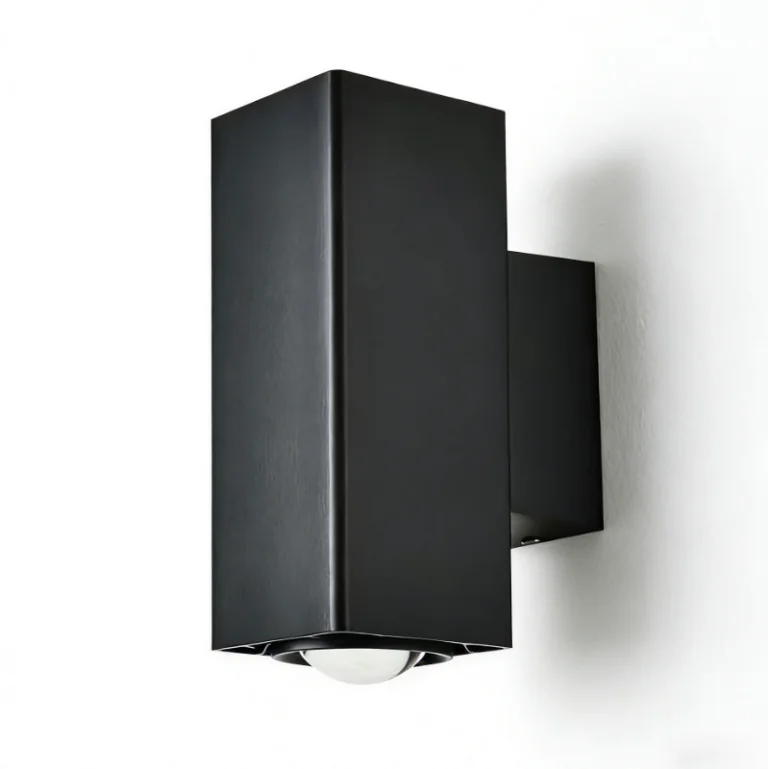
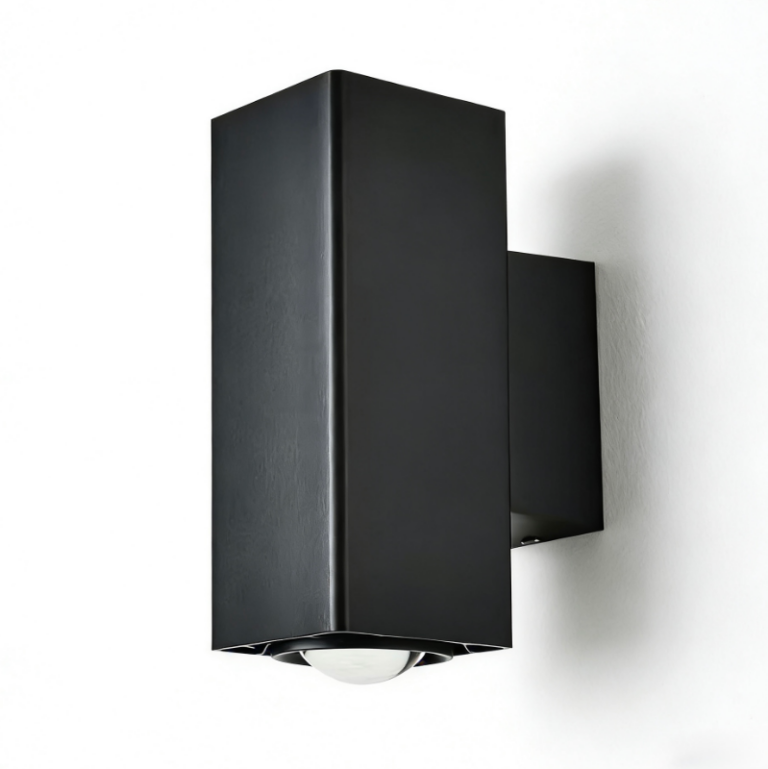
When specifying bollard lighting for plazas, promenades, or campus quads, aesthetic preference must yield to measurable outcomes. A data-driven approach clarifies how lumen output, photometric distribution, and thermal performance translate into safety, comfort, and operating cost. It also makes clear why an outdoor wall lamp specified as a complementary element cannot be judged on style alone; its correlated lux patterns and glare-control strategy affect the entire site. In short, reliable metrics let design teams and procurement professionals speak the same language and reduce ambiguity during tendering.
Key metrics that determine bollard effectiveness
Evaluate fixtures against a concise set of technical measures. Lumen output and efficacy express delivered light and energy cost. Beam angle and photometric distribution describe how light is shaped across pathways. Color rendering (CRI) and correlated color temperature (CCT) affect perception of materials and faces. Environmental ratings such as IP and proper thermal management indicate longevity under wet, urban conditions. Prioritizing these metrics creates objective comparisons between manufacturers rather than subjective impressions.
How to structure a manufacturer comparison
Build a simple scorecard that weights: measured photometry (LM-79 or equivalent), warranty and component sourcing, in-field maintenance data, and supply-chain resilience. Request IES files or equivalent photometric data early; run those files in your lighting simulation to see true spacing and uniformity rather than trusting product photos. Consider lifecycle cost modelling that folds in expected lumen depreciation and maintenance cycle — this prevents a low capital price from disguising higher total cost of ownership.
Real-world anchor: lessons from the High Line
The High Line in New York City demonstrates how carefully tuned bollard systems can shape both safety and ambience. Those installations favored low-glare optics and consistent spacing to create continuous wayfinding, while balancing light levels to preserve adjacent plantings. Designers there prioritized narrow beam control and lower mounting heights to avoid skyglow and to foster intimate scale—an instructive model for commercial projects that must reconcile pedestrian comfort with urban context.
Common implementation pitfalls—and how to avoid them
Practitioners often make three recurring errors. First, they accept nominal lumen specifications without reviewing photometric files; nominal lux at fixture face is not site illuminance. Second, they neglect glare control — a bollard with wide dispersion can produce uncomfortable glare at eye level. Third, they under-specify ingress protection and thermal limits, which shortens LED life in coastal or high-humidity sites. Mitigation is straightforward: require photometric simulations, insist on glare-limiting optics, and confirm IP and thermal test reports up front — and verify samples in situ where feasible. —
Complementary products and system thinking
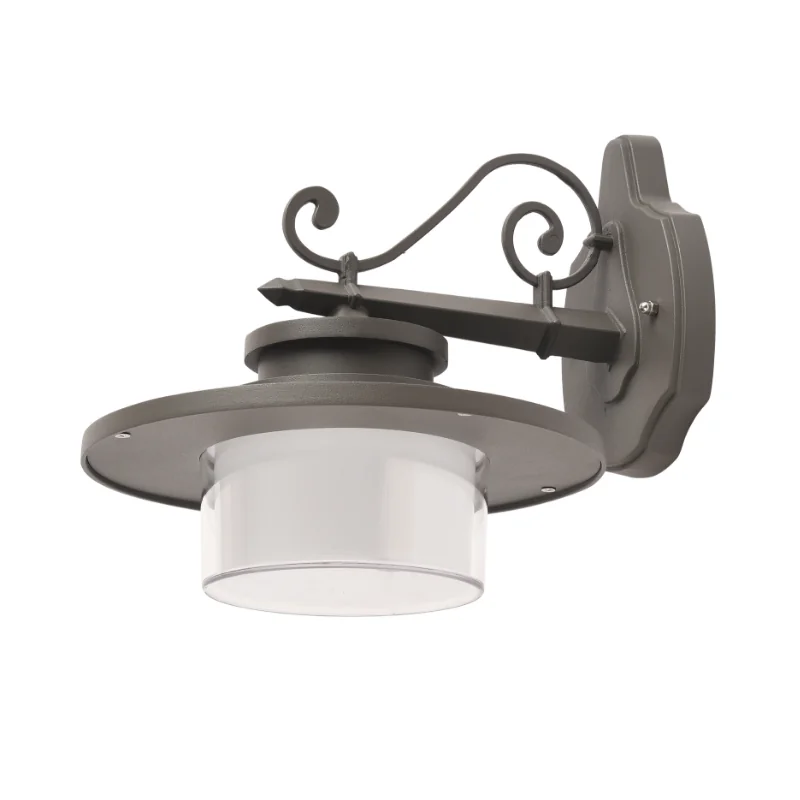
Bollards rarely work alone. Wall-mounted fixtures, pathway uplights, and led wall lamp outdoor units must be coordinated so color temperature and beam geometry are consistent across the site. Consider control strategies too: dimming schedules, occupancy sensors, and centralized lighting control can materially reduce energy use while maintaining perceived brightness. A systems view avoids mismatched color tones or competing beams that confuse users rather than guide them.
Procurement checklist for decision-makers
Before contracts are signed, ensure the vendor delivers: verified photometric files, sample units for on-site mockups, clear data on lumen maintenance (L70/L80 projections), and a transparent spare-parts policy. Confirm the manufacturer’s testing standards and ask for evidence of field performance in climates like yours. If a supplier cannot provide this evidence, treat their claims as provisional until validated.
Three golden rules for selection
1) Insist on validated photometry: require IES/IESNA-equivalent files and simulate them in your site model to judge spacing and uniformity. 2) Specify ocular comfort: prioritize optics and shields that control glare and preserve sightlines. 3) Evaluate total cost: include energy, maintenance, replacement drivers, and projected lumen depreciation when comparing bids.
Applied consistently, these rules produce measurable improvements in safety, comfort, and lifecycle cost — and they steer teams toward manufacturers who can substantiate performance claims. For projects that demand both optical precision and practical serviceability, the value of a partner who supplies rigorous data alongside robust product engineering becomes clear; Keyida. —