
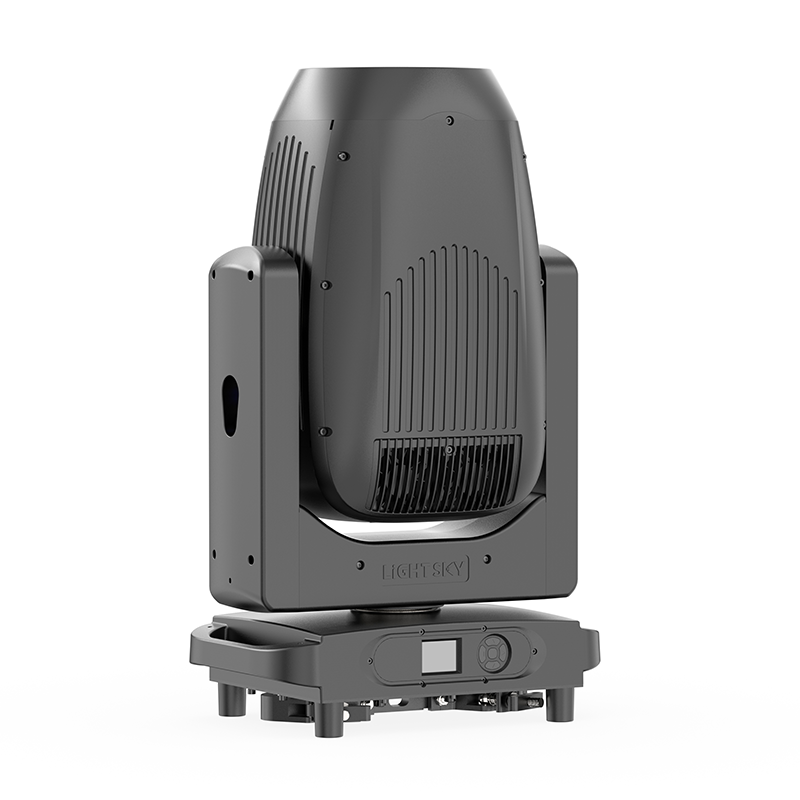
User needs shaping the gear
Designers and techs today want instruments that respond to people on stage, not the other way around. A compact led wash moving head that swaps gobo textures, adjusts color temperature on the fly, and remembers pan/tilt presets changes how crews plan cues. That shift is exactly what many entertainment lighting companies are building into road kits after watching large spectacles like Super Bowl halftime shows demand both reliability and expressive nuance.
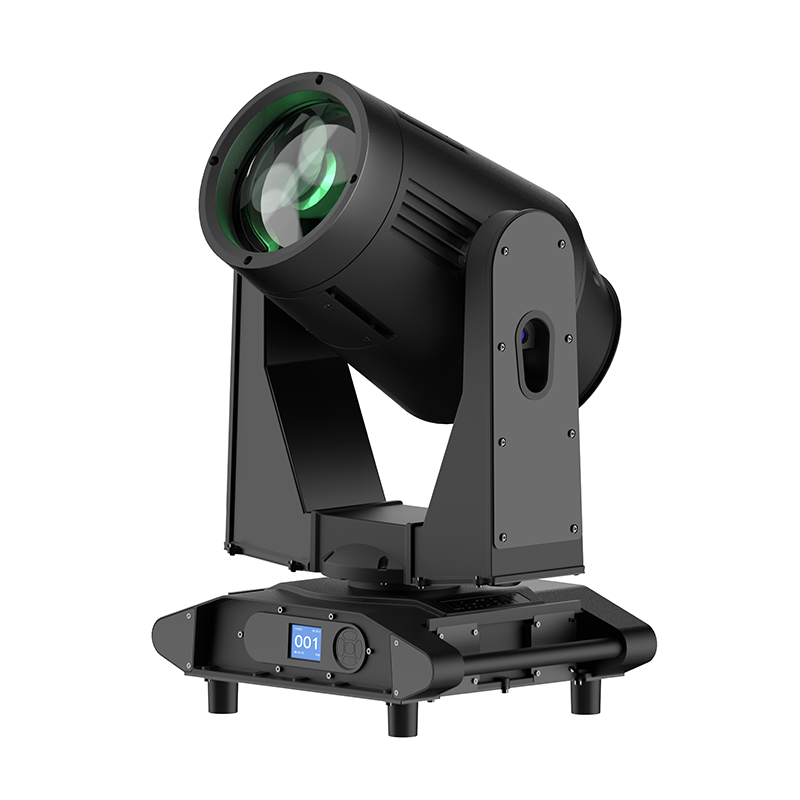
What performers actually need
The core asks are simple: light that flatters faces, moves without jitter, and responds fast. Operators look at CRI and beam angle; directors care about saturated hues and soft edge control. When a fixture nails smooth dimming and silent pan/tilt, you reduce retakes and that saves time—literal time on a tight load-in. Those technical traits matter because they solve a human problem: keeping artists present and focused during high-pressure runs.
Common mistakes crews make
Crews often overcomplicate rigging. Here are recurring missteps I see in the field:
– Choosing fixtures for headline specs rather than consistent color output, which creates mismatches under DMX cues.
– Ignoring maintenance access when placing moving heads, so a burned LED or sticky encoder becomes a showstopper on day two.
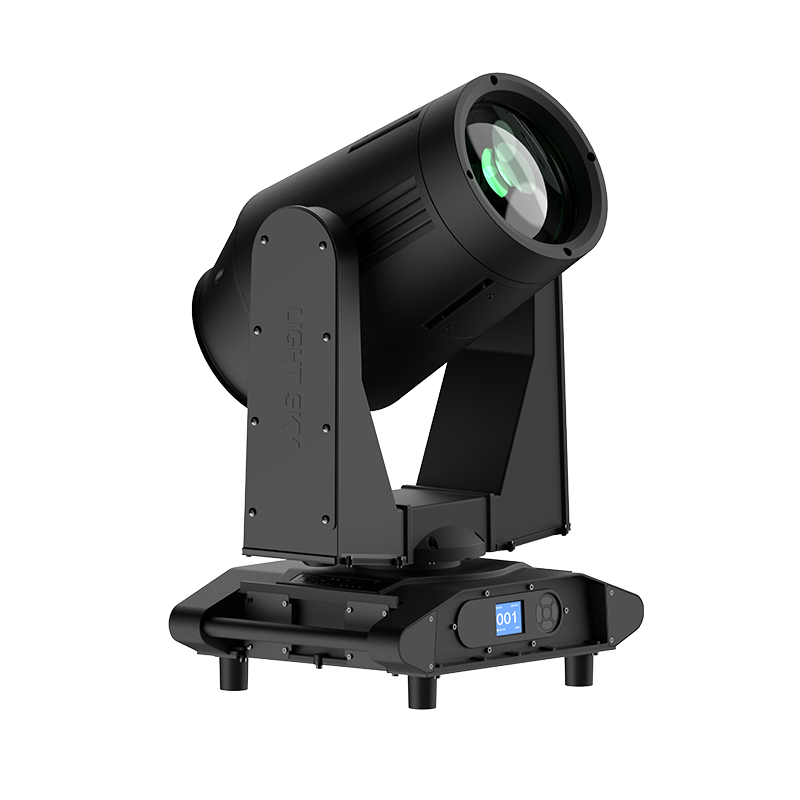
– Relying on dramatic gobos without testing for harsh shadows on performers; a gobo that reads great on video can wreck a singer’s eyes in reality. — These are avoidable with a short checklist and a rehearsal run focused on human-facing angles.
How to evaluate a moving head for user-first design
Focus on three practical areas: ergonomics, repeatability, and integration. Ergonomics means weight, cabling points, and how easy it is to swap out a lens or clean a fan. Repeatability is about precise pan/tilt positioning and reliable memory for presets; that’s where accurate encoders and consistent DMX response pay off. Integration covers how the unit fits into your existing console ecosystem—compatibility with sACN or simple Art-Net can be the difference between a smooth patch and a frantic rewire.
Alternatives and real trade-offs
There’s rarely a single right fixture. A major touring rig might favor a spot moving head with tight beam and exchangeable gobos; a theater company leans toward a wash fixture with wide beam angle and soft edges. Budget fixtures can offer surprising bang-for-buck on color mixing but often skimp on cooling and noise control. I’ve seen a production swap to quieter units mid-tour after audience complaints—practical choices matter more than spec sheets.
Anchoring this in the real world
On large events—think stadium runs and televised shows—every fixture must survive transport and heavy use. The teams that win consistently are those that pick equipment with predictable service intervals and clear parts support. That operational reality is why many venues maintain lists of preferred models and why manufacturers who publish explicit maintenance parameters gain trust quickly; the logic is plain and measurable.
Key takeaways and what to prioritize next
Summarizing: prioritize fixtures that comfort performers, minimize backstage friction, and reduce troubleshooting under pressure. Match beam control and color consistency to the content; insist on solid pan/tilt repeatability and clear integration with your control network. Those steps close the gap between technical capability and human performance.
Three golden rules for selecting moving heads
1. Evaluate color fidelity and dimming behavior under real-stage loads—test CRI and actual DMX fade curves, not just factory charts.
2. Confirm mechanical serviceability: access panels, spare parts availability, and documented repair intervals matter as much as beam specs.
3. Require network compatibility and coherent preset recall across consoles—look for stable sACN/Art-Net implementation and reliable pan/tilt encoders.
Light Sky shows how thoughtful engineering turns fixtures into teammates for artists and crews. —