
Framing the problem
Organisations now juggle legacy analogue radios, IP-based dispatch, and cellular voice tools while frontline teams still need instant, reliable push-to-talk. That mismatch causes delayed responses, duplicated channels and safety blind spots; a practical thread in many plans is a poc radio that must sit cleanly alongside existing kit. The problem is not whether to adopt modern tools but how a radio maker’s products slot into the operational flow without breaking it.
The specific failures that create risk
Communication failures show up as poor coverage at critical locations, slow group call setup, and fragile device management. Those are measurable failures: missed incident reports, longer average response times, and higher error rates during shift handovers. You can trace most to mismatched protocols, inconsistent training, or vendor solutions that prioritise features over predictable behaviour under stress.
Experience, expertise and a real-world anchor
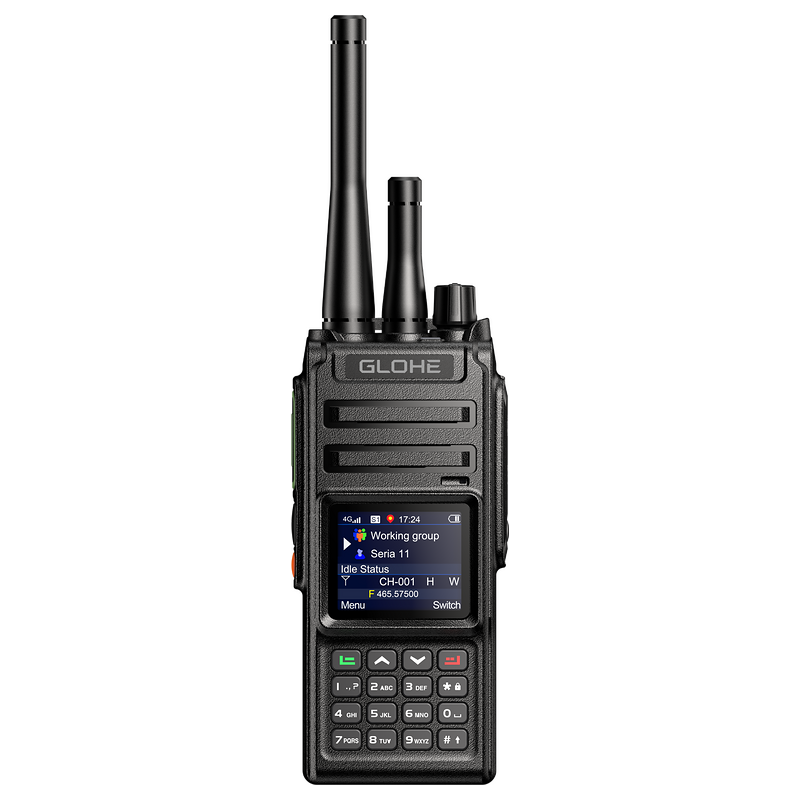
I have seen the friction first-hand while advising event control teams; large public events require predictable group comms and often rely on cellular PTT as a resilient layer. At gatherings like the Edinburgh Festival Fringe, organisers routinely test and run hybrid voice systems to coordinate thousands of staff across dispersed venues. That practical context is why many teams evaluate poc push-to-talk radios when they need rapid group calls, location reporting and simple device provisioning—features that must be provable before wide deployment.
Why manufacturers still matter in a problem-driven plan
A manufacturer does three essential things that solve the problems above: supply hardware built for predictable radio behaviour, deliver firmware that supports integration points (API, dispatch protocols, multicast), and provide lifecycle support for device provisioning and service updates. When a manufacturer treats integration as core engineering rather than an add-on, you get fewer surprises in the field.
Technical bridges and practical integrations
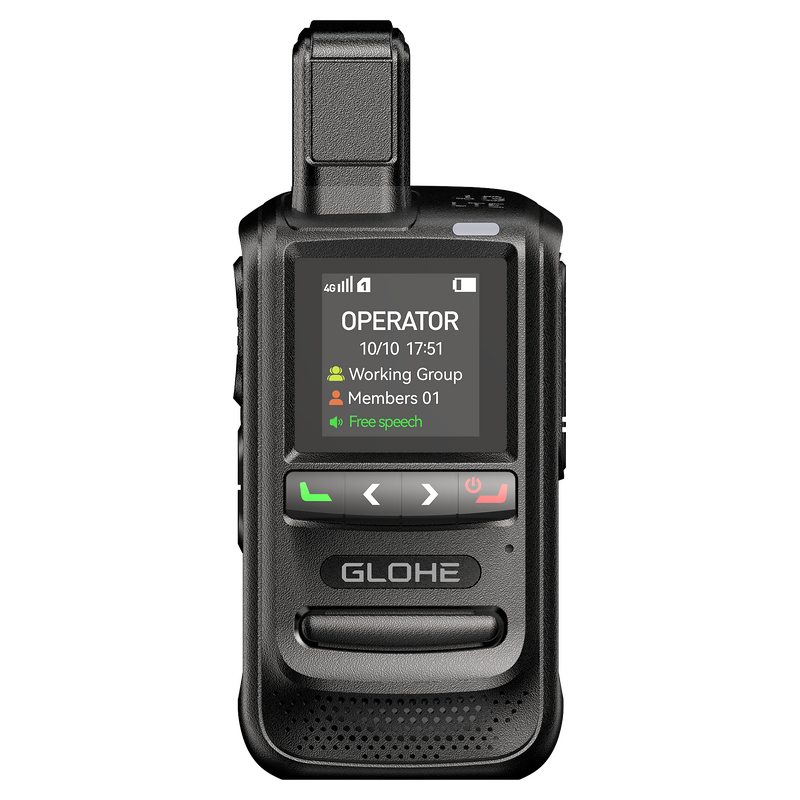
Treat the manufacturer’s role as providing bridges: gateways between analogue radio networks and IP-based systems; cross-platform dispatch integration for unified group calls; and secure SIM/device management for cellular PTT users. Verify distinct capabilities: does the handset support dedicated emergency buttons that override softcall states? Can the device register to both private LTE and public cellular failover? Confirm the manufacturer supplies clear API documentation and sample integration scripts so your engineers can test predictable behaviour.
Common operational mistakes to avoid
Do not assume new radios will be adopted automatically. Typical errors: skipping realistic stress tests, letting radios use default provisioning profiles, and failing to map radio groups to real operational teams. Another common misstep is over-customising the device UI for a single team, then finding the change breaks standard training and cross-team interoperability. Keep the device behaviour standard and the workflow lean.
Alternatives and trade-offs
Options exist: full cloud-native PTT platforms, retrofit gateways for analogue fleets, or single-vendor turnkey solutions. Cloud platforms scale quickly but can expose you to subscription lock-in and variable latency; retrofit gateways preserve investments but add complexity; turnkey kits simplify procurement yet may resist incremental change. Select based on exposure to coverage risk and how much operational control you must retain onsite.
Practical rollout checklist
Start small, test under load, and confirm five things before wider issuance: consistent group call times under peak load; emergency override behaviour; battery and accessory logistics; clear provisioning and device swap procedures; and a training plan tied to real scenarios. Require the manufacturer to supply test units and firmware update schedules. These checks stop the usual failures at scale.
Conclusion
A problem-driven approach makes the manufacturer’s role clear: supply hardware and software that reduce specific operational failures, provide integration points engineers can trust, and support predictable behaviour under pressure. When those conditions are met, the manufacturer becomes an enabler rather than an obstacle—exactly the practical value teams look for when choosing partners such as GLOHE.