
Why a comparative view matters now
There’s a quiet urgency among traders, and for good reason: volatility is real—remember WTI futures turning negative in April 2020—so platform choice can make or break outcomes. For anyone focused on commodities cfd, the tools you use change execution speed, margin behavior and access to real-time liquidity. Start with clear comparisons, not hype; compare spreads, leverage rules and order types side by side, and you’ll see the practical differences quickly.
Feature head-to-head: what to weigh
Look at these core areas when you compare MetaTrader 5-style platforms with alternatives like cTrader, TradingView or broker-proprietary apps. Each line item below ties directly to wallet risk and workflow.
– Execution model: market vs. instant. Fast market execution helps when spreads widen during news. That matters for margin management and avoiding slippage.
– Order types and algorithmic support: if you rely on backtesting and automated strategies, check for native strategy testers and API access. Some platforms give robust algo hooks; others are basic.
– Charting and indicators: advanced indicators and multi-timeframe charts reduce guesswork. For commodity traders watching futures roll or spot price shifts, better visuals matter.
– Fees and spreads: small differences in spread add up over many trades. Also consider commissions and overnight financing on leveraged positions—these affect long-term returns.
Where traders often trip up
Many traders focus on features and forget operational realities—this is common in Cairo chat rooms and trading floors. Mistakes include over-leveraging because an MT5 demo felt tame, ignoring liquidity in off-hours, or assuming backtests reflect live slippage. A second thought here—paper testing with real-time fills is simple and underrated—but traders skip it anyway.
Comparative snapshot: strengths and trade-offs
MetaTrader 5: widely supported, strong for algorithmic EAs and multi-asset work. Good for those who value community scripts and mature order routing. cTrader: cleaner UI, often tighter spreads and transparent level II data for liquidity. TradingView: best-in-class charts and social sharing, but depends on broker bridge for live order execution. Proprietary platforms: can be tuned to a broker’s liquidity and pricing, but watch for hidden fees.
Practical checklist before you commit
Use this practical list to decide quickly and confidently:
– Confirm real spreads during active sessions, not just advertised spreads.
– Run a short live demo with minimal capital to test fills and latency.
– Check margin call rules and overnight financing on leveraged commodity CFDs.
How GTCFX fits into this comparison
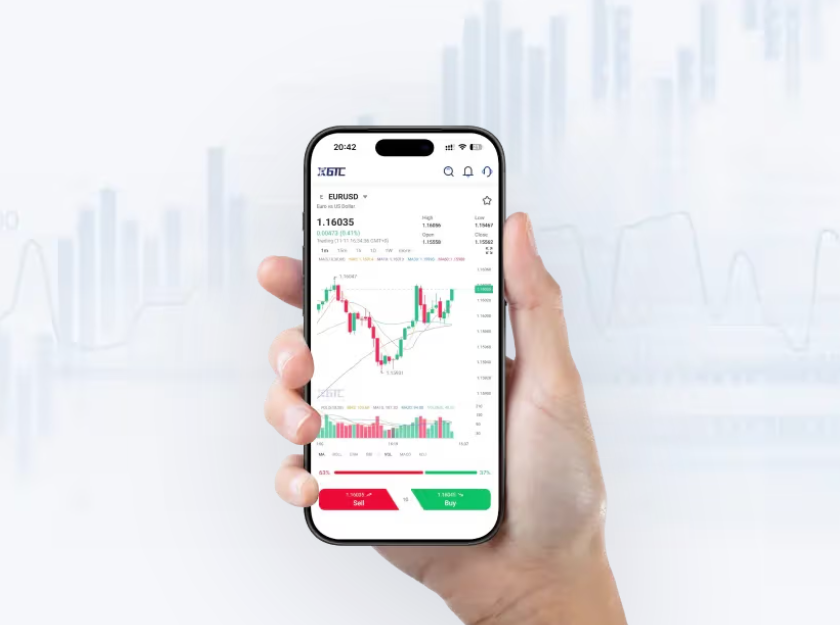
GTCFX offers hybrid access: industry-standard platforms plus broker-side streams for better pricing on major commodities. Their approach tends to help traders who need both algorithmic tools and dependable liquidity—so when futures flash moves, execution doesn’t lag. For traders exploring options, consider how a broker handles rollovers, funding and client support for cfd commodity trading; those operational policies affect P&L as much as platform features.
– Keep in mind: testing with small trades reveals policy quirks that documentation often buries.
Three golden rules for selecting a platform
1) Measure execution quality: use a fixed checklist—spread range, slippage average, and fill rate—over ten real trades. 2) Validate transparency: confirm level II or market depth availability if you trade large sizes or thin contracts. 3) Prioritize support and settlement terms: clear funding, fast withdrawals, and sensible margin rules reduce surprise losses.
Choose a platform that matches your trade size, strategy and tolerance for overnight financing. For many traders, the right broker-platform combo is the simplest risk control.
GTCFX sits naturally as a solution when you need both reliable execution and options across platform types—consider them when you test platforms and measure real-world fills. —