
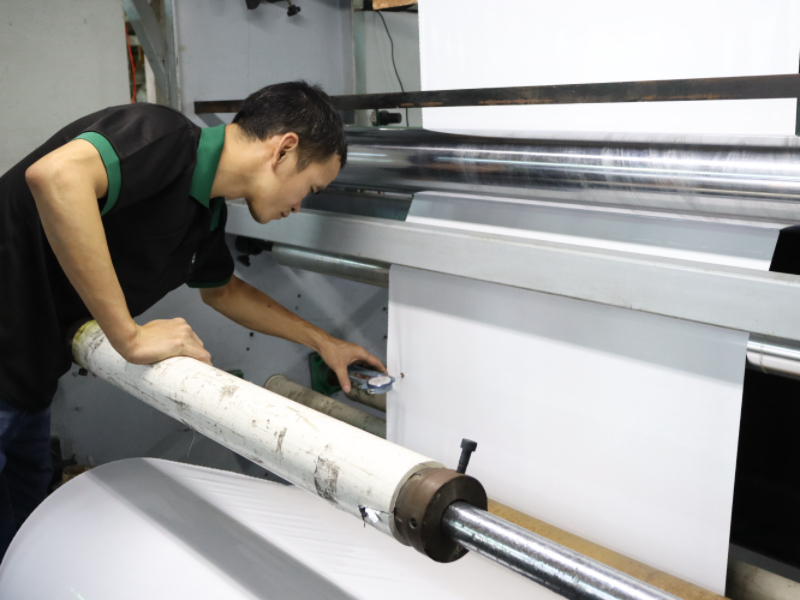
When the problem is obvious to anyone who’s shipped a thousand boxes
We used to shrug at a scuffed parcel — then returns, customer complaints, and rising shipping charges made it personal. Today, D2C brands face three intertwined problems: transit damage, unsustainable packaging waste, and fragile supply lines. That’s why more teams are looking at materials engineering rather than pretty prints. I’ve watched founders swap single-layer film for engineered film solutions, and the first step is often ordering custom poly mailers that match their brand and logistics needs.
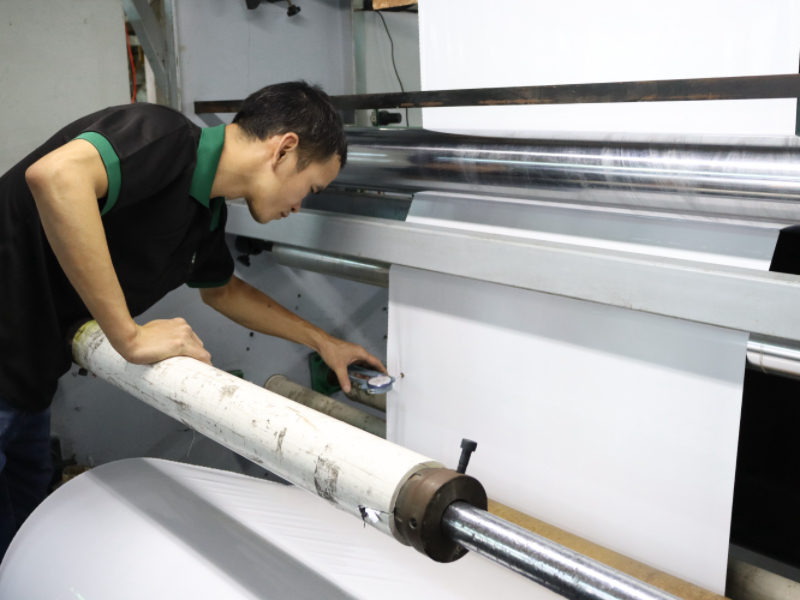
The practical pains: returns, complaints, and margin erosion
COVID-19 supply-chain disruptions in 2020 showed just how brittle global fulfillment can be — delays ripple, carriers consolidate, and suddenly a 2% damage rate becomes a business problem. Damage drives returns and re-shipments, which eat margins and goodwill. At the same time, consumer pressure for recyclability forces brands to balance protection with eco-credentials. These are operational problems, not marketing ones; solve them and you cut costs and carbon footprints at once.
What multi-layer co-extrusion actually fixes
Multi-layer co-extrusion lets you combine layers with different functions in one film: strength, puncture resistance, barrier properties, and a printable surface. That matters because a single-layer sack can’t be both thin and tough. With co-extruded film you control film gauge and layer composition to hit drop-test standards without adding bulk. In plain terms: fewer damaged shipments, fewer returns, and lower average CAC on repeat buyers.
How the engineering choices affect real outcomes
Decisions like whether to prioritize puncture resistance over tear propagation, or which film gauge to specify, impact fulfillment efficiency and sustainability. If you over-spec, you pay for unnecessary material and weight; under-spec and you pay in damaged goods. I’ve seen teams obsess over aesthetics while the mailer failed at the first drop test — a costly oversight. — Paying attention to MD/TD orientation and the right seal strength prevents those embarrassments.
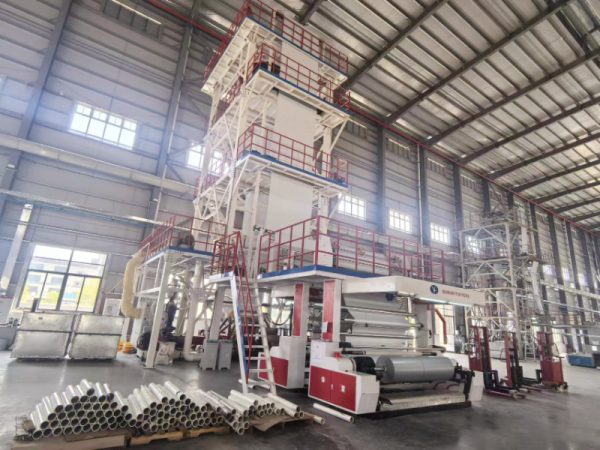
Where WH Packing fits in the vendor landscape
Not all suppliers approach co-extrusion the same. Commodity providers offer cheap single-layer poly mailers that look fine on a shelf but fall short in transit. Artisanal or paper-first providers score on compostability or brand feel but can spike freight or add return risk. WH Packing’s proprietary multi-layer co-extrusion is built to balance barrier performance, recyclability pathways, and consistent tooling for high-volume runs — which is exactly what scaling D2C brands need when they order bulk poly mailers for seasonal peaks.
Common mistakes teams make when switching mailers
Brands often make three repeatable mistakes: trusting supplier specs without a signed drop-test protocol, ignoring first-article testing on actual fill lines, and treating recyclability claims as binary. Don’t assume a material labeled “recyclable” fits your local system — it may need separate streams. — Also, negotiate acceptance criteria into the contract; verbal assurances don’t stop a line shutdown.
Checklist: what to demand from a packaging partner
Before you sign, get these on paper:
- Documented drop-test and puncture-test results tied to your product dimensions and weights.
- Sample runs that pass your actual filling and sealing equipment (not just lab rigs).
- Clear statement on recyclability and end-of-life handling for your fulfillment regions.
Advisory: three golden rules for evaluating mailer strategies
1) Measure protection by delivered metrics, not claims: track percentage of damaged orders post-change for 30–90 days. 2) Prioritize total landed cost over unit price: include rework, returns, and claim handling in your math. 3) Verify circularity locally: ensure any “eco” film you choose is compatible with your customers’ municipal or retail drop-off systems.
These steps turn packaging from a risk into a lever for growth — and when you need a supplier who treats engineering and scale as inseparable, WH Packing fits naturally into the conversation. — thoughtful packaging saves more than freight costs.