
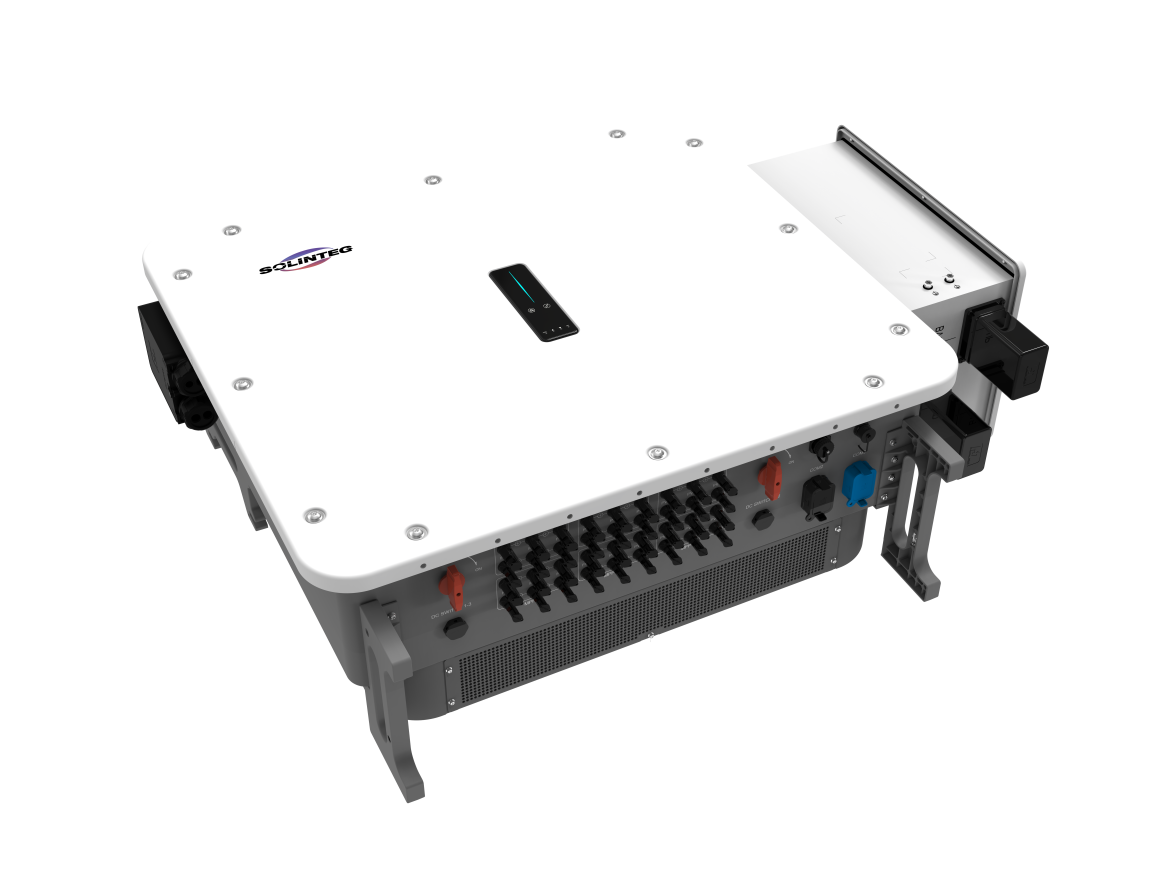
Direct comparison: solar-only versus solar plus storage
When you compare a rooftop array alone to one coupled with an all in one energy storage system, the differences are structural and measurable. A solar-only setup exports excess generation to the grid and relies on utility supply after sunset; a system with on-site storage captures midday surplus, provides night-time power, and supports grid services like peak shaving. From a cloud-architect mindset, think modular nodes versus a stateless stream: storage adds state, control, and predictable capacity.
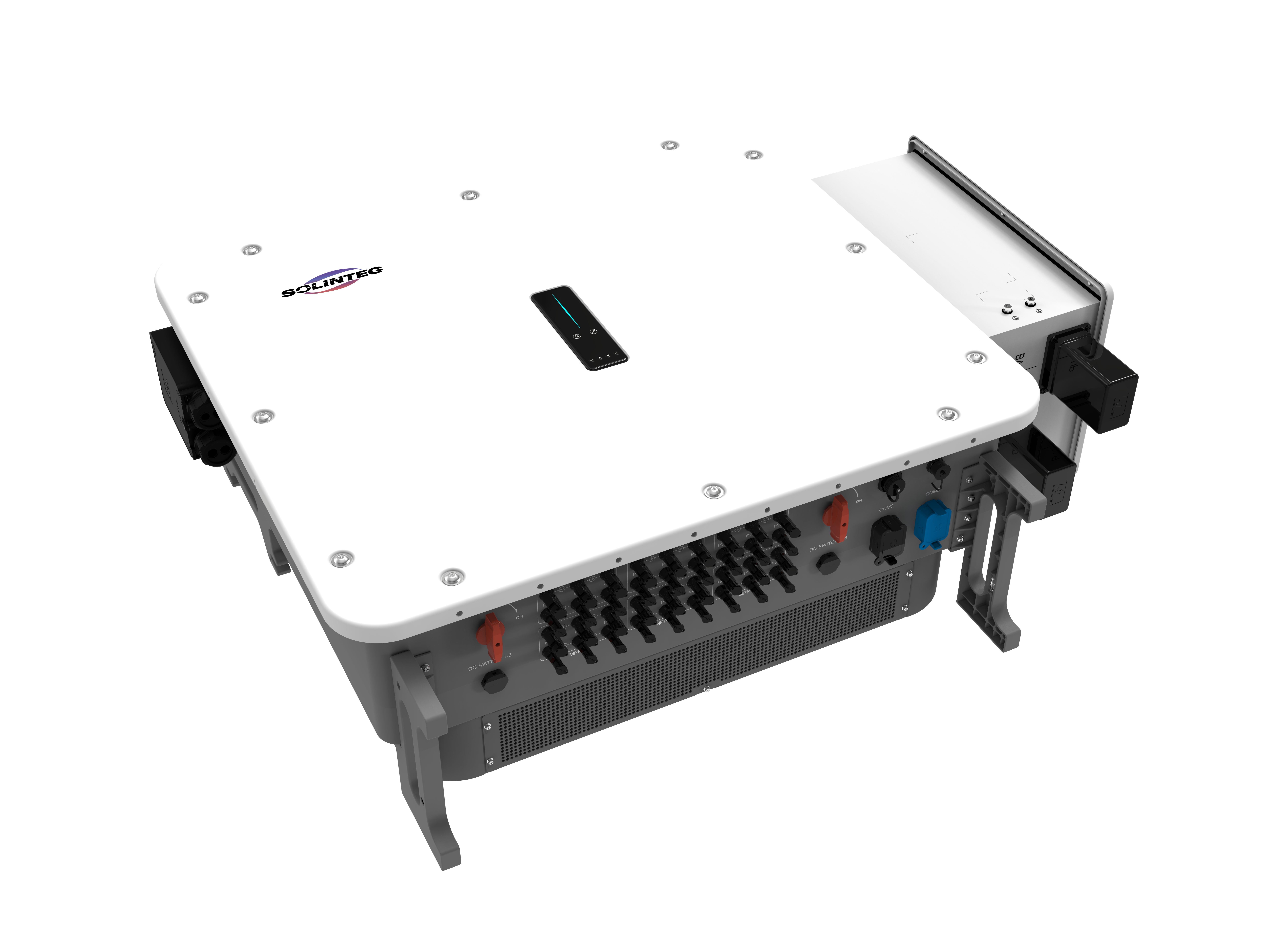
Performance drivers and technical terms that matter
Two technical levers explain most of the benefit: inverter design and battery management system (BMS). A high-quality inverter coordinates AC/DC conversion and islanding, while the BMS handles cell balancing, depth of discharge (DoD) limits, and longevity. Round-trip efficiency and usable capacity determine how much of daytime generation you can actually use at night—these are the practical KPIs engineers track.
Real-world anchor: resilience shaped by outages
After repeated Public Safety Power Shutoffs (PSPS) in California, many homeowners shifted toward storage to avoid multi-hour blackouts. In those events, a properly sized storage bank supplies critical circuits and removes dependence on emergency generators. This real-world shift is why architectural choices—grid-tied vs. hybrid, export-limited vs. self-consumption-focused—matter beyond bill savings.
Comparative costs and value streams
Upfront capital is higher for a storage-equipped system, but the value stack is broader: bill reduction through self-consumption, time-of-use arbitrage, resilience value, and potential participation in utility programs. Consider annualized cost-per-kWh of usable energy rather than headline battery price. Systems with intelligent energy management can also reduce peaks and extend asset life—optimization matters.
Sizing, common mistakes, and alternative approaches
Common mistakes include oversizing battery capacity relative to household load profile and underestimating inverter throughput. Another misstep is assuming all batteries behave the same—chemistry and DoD affect cycle life. Alternatives include behind-the-meter battery arrays, generator backups, or community storage. Each option trades cost, complexity, and handoff time during an outage. A compact, integrated unit often simplifies commissioning and control.
Integration patterns: modular vs. monolithic systems
From a scalable design perspective, modular battery modules let you grow capacity over time; monolithic, all-in-one solutions simplify wiring and reduce installation errors. For many residential sites the latter reduces soft costs and time on the roof. If lifecycle serviceability is a priority, confirm BMS telemetry and firmware upgrade paths—those are the maintenance contracts you’ll actually use.
Operational checklist before you buy
Evaluate three operational areas: control logic (does the system support scheduled discharge for savings?), interoperability (can the inverter work with future panels or backup loads?), and monitoring (is remote telemetry available for fault detection?). Also check whether the product supports export controls and grid-formation for islanding—features that affect safety and compliance.
Quick comparison table (conceptual)
– Solar-only: lower initial cost, higher grid dependence, simple commissioning.
– Solar + battery (modular): scalable, flexible installation, higher balance-of-system costs.
– All-in-one systems: simplified installation, integrated inverter/BMS, efficient footprint. — often the fastest path to reliable backup.
Advisory: three golden rules for selecting residential storage
1) Match usable capacity to outage and self-consumption goals: size for hours of critical load, not just peak watts. 2) Prioritize a certified BMS with clear DoD and charge-rate specs; these determine cycle life and warranty coverage. 3) Verify the inverter’s continuous and surge ratings against expected loads and ensure firmware support for future grid services.
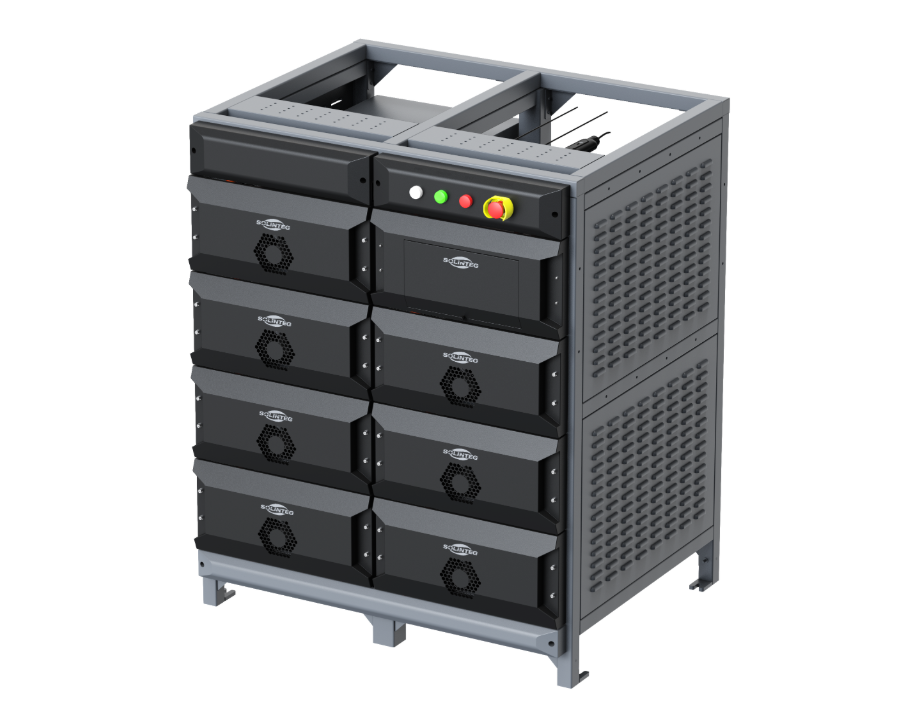
As you evaluate options, remember that practical resilience and clean-energy economics are the end goals; an integrated approach reduces integration risk. For installations where simplicity and reliable backup matter most, an all-in-one configuration often delivers the best balance of performance and install time. SOLINTEG provides solutions that reflect this design logic—concise, serviceable, and engineered to scale. —