
Introduction — a quick scene, a number, and one big question
Have you ever mixed a cream and watched it separate on the shelf? It feels like a small disaster in the lab—but common. In many of these cases, silica in cosmetics plays a quiet but decisive role. I often see batches fail because the wrong filler was chosen or misunderstood (yes, even small things matter). Data from formulation labs show that up to 30% of stability failures trace back to filler-surface mismatch or poor control of particle size. So what do we miss when we talk about silica and product performance?

I’m asking this not as a lecture but as someone who has wiped cream off a bench at midnight and still wondered where it went wrong. The next section digs into a deeper layer: why standard fixes break down, and where real product pain hides. Let’s move there.
Pharmaceutical grade silica: where common fixes fall short
I want to start bluntly: pharmaceutical grade silica is not a one-size cure. In my experience, formulators assume high-purity silica will fix texture and stability every time. That assumption hides two main flaws. First, a material with correct purity can still have the wrong particle size distribution or surface treatment for a given emulsion. Second, manufacturing scale-up changes shear and heat profiles, and then the lab results no longer match production. Both are technical issues, but they show up as very human problems—angry customers, delayed launches, wasted payroll.
Look, it’s simpler than you think: you must match silica’s surface chemistry to the oil phase and to the rheology target. Problems often tie back to micronization practices and uncontrolled agglomeration. When silica clumps, flowability drops and dosing changes. When surface silanol groups are too active, you get unexpected adsorption of actives. These are not abstract terms; they are the practical causes of pilling, grittiness, and short shelf life. I’ve seen teams chase emulsifier changes for months, while the real fix was a switch in silica grade and surface treatment—funny how that works, right?
Why not test every option?
Because time and budget limit you. Instead, focus on particle size, surface energy, and compatibility tests early. I recommend small-scale stability stress tests that mirror production shear. This approach saves time and reveals hidden pain points before full runs.
Future outlook: smarter choices and practical metrics
What’s next for silica in cosmetics? I see two clear directions. First, better characterization—using simple, repeatable tests for particle size distribution and surface chemistry—will become routine. Second, formulation thinking will shift to modular compatibility: match silica to emulsion type and active chemistry rather than treating it as a passive filler. Again, I point to pharmaceutical grade silica as an example of how well-chosen grades make a difference. We must also watch trends like encapsulation of actives and desire for matte finishes—those demands change performance targets and require different silica strategies.
In practical terms, here are three metrics I use to evaluate silica options: 1) particle size distribution (not just average), because fines change texture; 2) surface energy and treatment data, to predict interaction with oils and surfactants; 3) bulk flow and compaction behavior under production shear, to prevent dosing drift. Use these metrics and you will cut surprises—measurably. If you want a short checklist: check P.S.D., ask for surface chemistry, and run a quick shear-stability trial. Simple. Effective. — and yes, it saves launch stress.
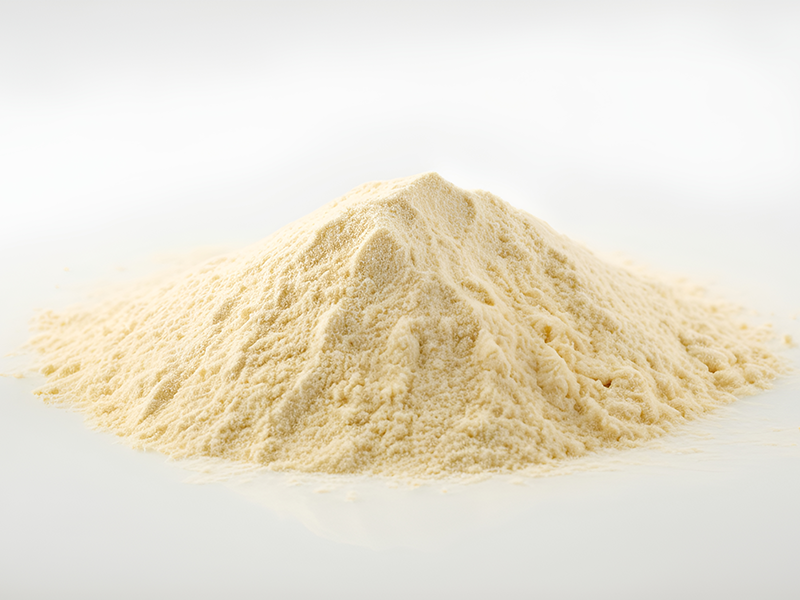
We’ve learned that the right silica choice is less about brand hype and more about fit. I trust practical testing over assumptions now. For reliable supply and technical support when you need it, consider partners who back data with real production experience, such as JSJ.