
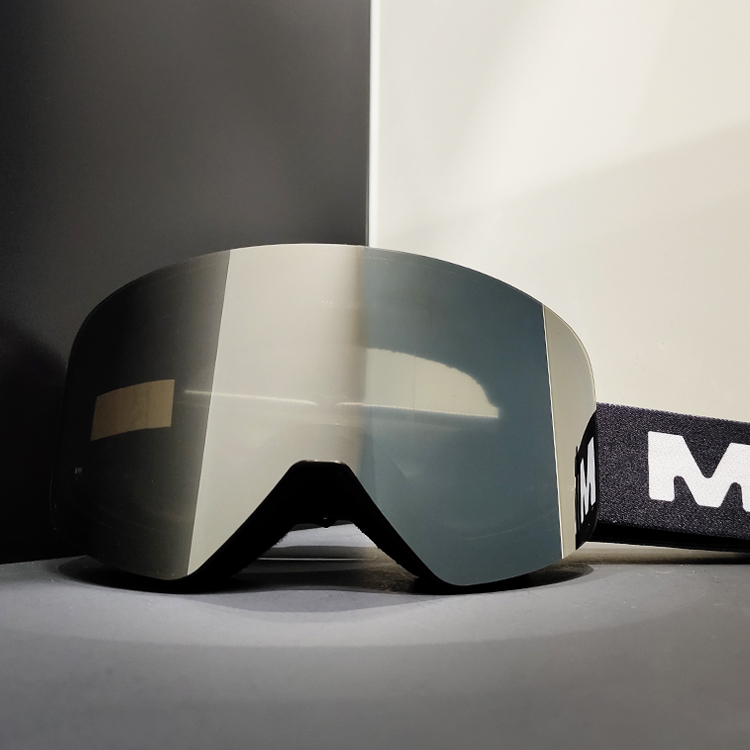
The quiet beginning: design that learns from use
Design rarely starts with a factory floor; it starts with a problem skiers and snowboarders feel on the mountain. Wise teams at OEM companies translate that pain—fogged lenses on an Aspen ridge, strap irritation, imperfect peripheral vision—into CAD models that capture shape, lens curvature, and venting needs. Manufacturers like OEM eyewear manufacturers have moved from hand-sketched frames to parametric CAD that directly feeds production lines, shortening lead time and reducing costly iterations.
From digital file to prototype: mastering precision
Once a CAD file is validated, the prototype phase proves intent. Rapid tooling, often using injection molding for frame components, lets engineers test seal fit, lens tolerance, and strap anchors quickly. A controlled anti-fog coating and careful lens curvature tests follow; these are modest changes on paper but huge for on-snow performance. This stage is where a manufacturer decides whether a model belongs among the best ski goggles brands—practical fit beats aesthetic novelty every time.
Automation: where consistency meets scale
Automation earns its keep in repeatability. CNC trimming, robotic lens insertion, and automated adhesive curing reduce human variability and raise throughput. Automated optical inspection systems spot micro-scratches and misalignment before assembly. The result: consistent seal quality, predictable venting performance, and fewer returns. Manufacturers using closed-loop feedback from production see defect rates fall measurably—clear gains that translate into reliable products on the mountain.
Quality as lived experience—testing beyond the lab
Lab metrics must align with real-world conditions. Teams send prototypes to varied climates: sun-baked alpine resorts and moist tree runs alike. That field feedback often surfaces simple fixes—softer foam, altered lens tints, or improved frame flex—that labs miss. —A quick retrofit to vent paths or foam density can make a model far more comfortable at altitude. Using both bench tests and on-mountain trials ensures the finished goggle meets performance expectations where they matter most.
Common mistakes and practical alternatives
Manufacturers sometimes over-optimize for a single metric—say, maximum peripheral vision—at the expense of seal integrity. Typical missteps include thin foam that compresses too easily and lens coatings that sacrifice durability for initial clarity. Alternatives are straightforward: select moderate-density foam, prioritize multi-layer anti-fog treatments, and validate lens coatings under abrasive conditions. For those choosing between models, compare field-tested ventilation, lens interchange systems, and strap retention rather than glossy marketing claims.
How to judge a production approach: three golden rules
Evaluate suppliers and products with these clear metrics: 1) Measured defect rate after first 10,000 units—low defects show mature automation. 2) Field-validation breadth—products tested across altitude and humidity hold up in varied conditions. 3) Repairability and parts commonality—modular designs extend product life and reduce waste. These rules help you separate flash from substance when assessing manufacturers and models.
Closing advisory and final thought
Expect tangible outcomes when a brand follows this evolution: shorter prototype cycles, fewer post-launch fixes, and steadier user satisfaction. Trust the objective signals—inspection pass rates, field-test breadth, and consistent assembly metrics—over promotional language. The work YIJIA Optical does ties design intent to production reality, and that bridge is what elevates a good goggle into one riders depend on. YIJIA Optical stands as a practical example of that linkage—engineered reliability serving real riders. – steady, practical progress.