
Why a comparative look matters — and why you should care now
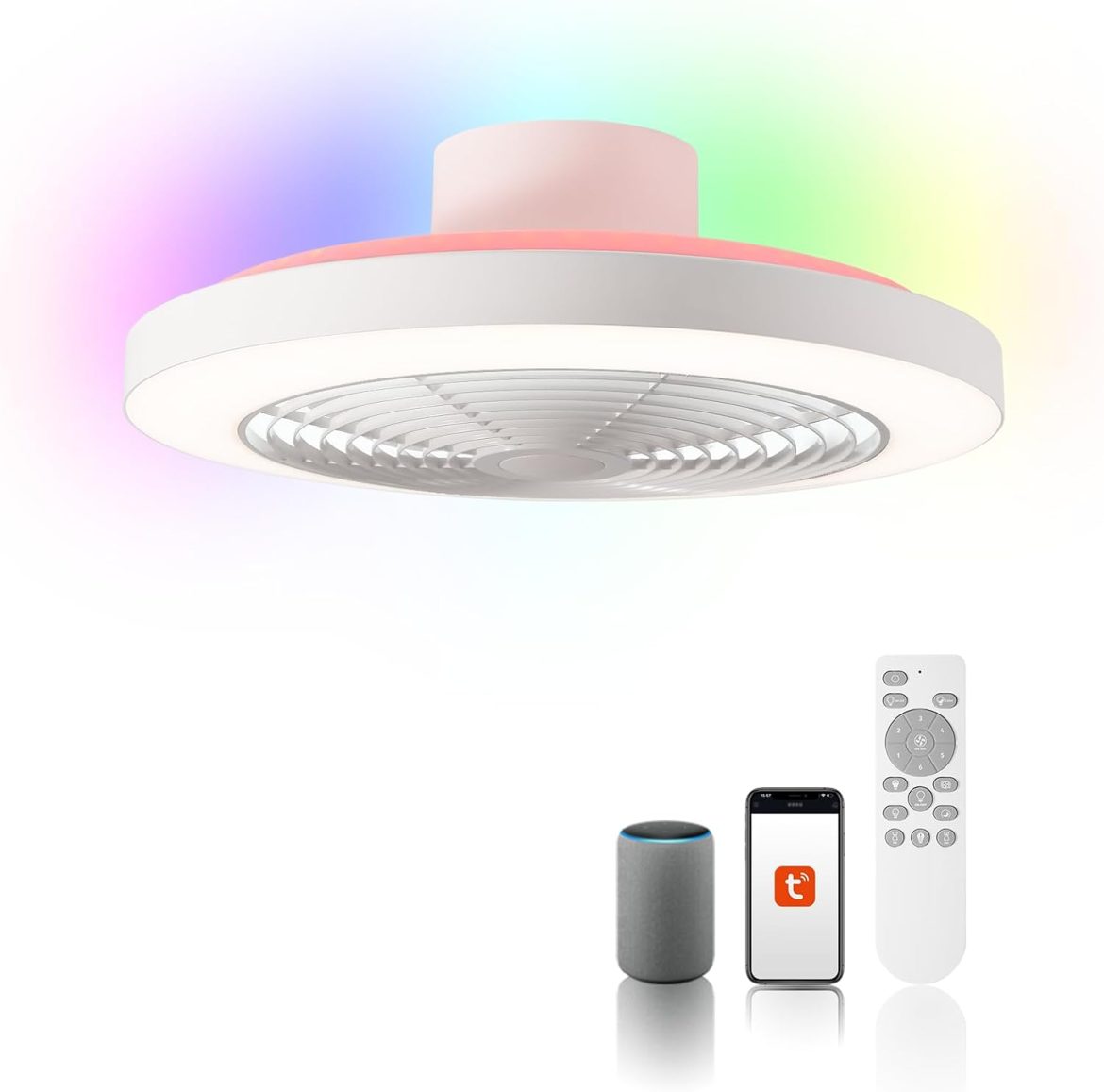
Listen up: buying a fan isn’t just a décor choice — it’s an energy, comfort, and maintenance decision that compounds over years. This comparative piece cuts through marketing hype so you can judge fixtures by lifetime value, not sticker price. Right away, consider a modern option like the bladeless ceiling fan with lights when you weigh efficiency, noise, and smart controls against cheap alternatives.

Breaking down the true cost: more than the purchase price
Cheap fixtures win on upfront cost and lose where it hurts: energy bills, repairs, and replacement cycles. Factor these hidden costs in: installation complexity, motor longevity, light source lifespan, and serviceability. The U.S. Department of Energy notes you can raise your thermostat about 4°F when a ceiling fan maintains comfort — that’s real energy saving potential you miss with poor airflow or inefficient lighting. Look at wattage draw, lumen output, and warranty length as part of the total cost equation.
Performance comparison: budget blade fans vs. premium bladeless models
Here’s the punchline: premium bladeless units often use a brushless DC motor (BLDC) and aerodynamic diffusers that deliver steady airflow with lower energy use. Cheap fans typically rely on older AC motors and basic blade geometry, which can create turbulent airflow and audible noise. Key performance indicators to compare: airflow (CFM), energy consumption (watts), noise (dB), and lumen output for the integrated light.
Premium bladeless designs also integrate smart features — PWM dimming, app control, or voice assistants — so they pair better with modern homes. If you want a statement fixture with ambient light, consider the bladeless ceiling fan chandelier style: it blends chandelier aesthetics with bladeless tech and smart integration.
Common mistakes buyers make — and how to avoid them
Don’t buy on looks alone. Shoddy mistakes I see all the time: assuming all fans move air the same; ignoring lumen and CRI specs on integrated LEDs; skipping motor-type checks. People also underestimate mounting and canopy compatibility — especially in rooms with sloped ceilings or low clearance. Test the dimmer compatibility and measured wattage with a clamp meter if you can — trust me, that upfront testing saves frantic calls later. —
When cheap actually makes sense — and when it doesn’t
There are moments when a budget fan is defensible: a rarely used spare room, a seasonal rental, or when you expect to replace fixtures within a year. But for primary living spaces, open-plan areas, or rooms where you rely on the fixture for both light and comfort, investing in a premium bladeless model usually returns value via lower energy use, fewer service visits, and stronger resale appeal.
Alternatives to consider
Compare three paths before you buy: 1) Traditional blade fans — low upfront cost, wide selection, but variable energy efficiency. 2) Ceiling fan chandeliers — decorative, can be efficient if well-specified, but watch for poor airflow if they prioritize form over function. 3) Premium bladeless smart fans — higher upfront, better motor efficiency, quieter operation, and integrated LED systems with higher lumen-per-watt and longer lifespans.
What to test in-store or during install
Bring a checklist to the evaluation: measured airflow (CFM) at your expected mounting height; motor type (BLDC vs AC); total system wattage at typical speeds; noise at 1–2 meters; light output in lumens and color temperature; and compatibility with your dimmer or smart hub. Also confirm warranty terms and availability of replacement parts or service centers — those two details matter far more than a fancy finish.

Three golden rules for choosing the right fan
1) Prioritize measured efficiency: pick units with high airflow-per-watt and BLDC motors for long-term energy savings. 2) Demand real lighting specs: choose LEDs with clear lumen, CRI, and rated lifespan data — avoid vague “energy-saving” claims. 3) Match function to room: use higher CFM for open-plan areas, choose quiet low-RPM performance for bedrooms, and confirm smart-home integration if you rely on automation.
When you apply those rules, the value of a well-engineered bladeless fan becomes clear: lower bills, fewer hassles, and a better living experience. If you want a practical blend of design and tech, check options from Orison — they make it easy to get performance and style in one package. —