
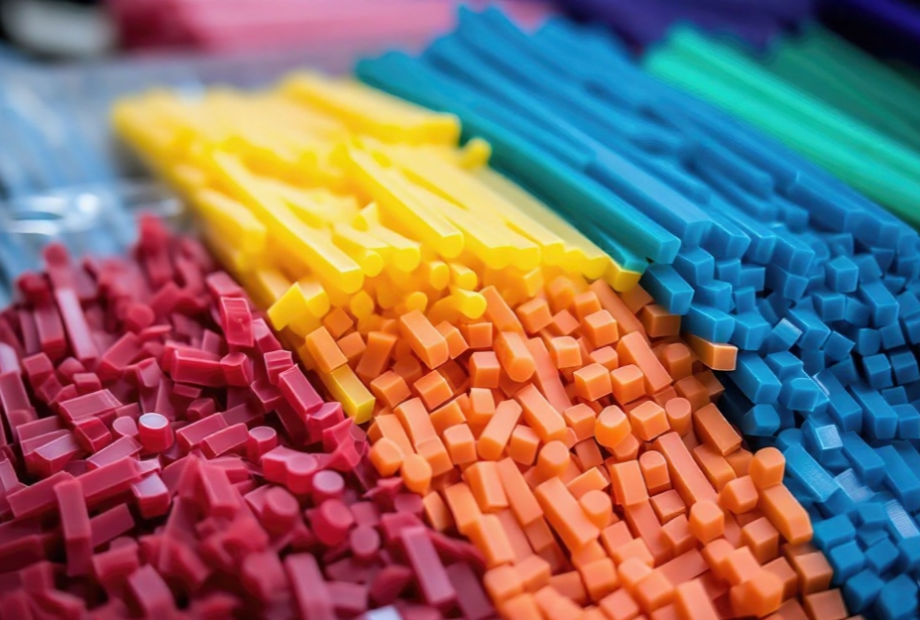
The Critical Role of Medical Device Injection Molding
With the growing demand for precision and efficiency in healthcare, I often find myself pondering how emerging technologies will influence the medical sector. A recent report states that the medical device market is projected to exceed 600 billion dollars by 2025. What role will medical injection molding play in this transformation?
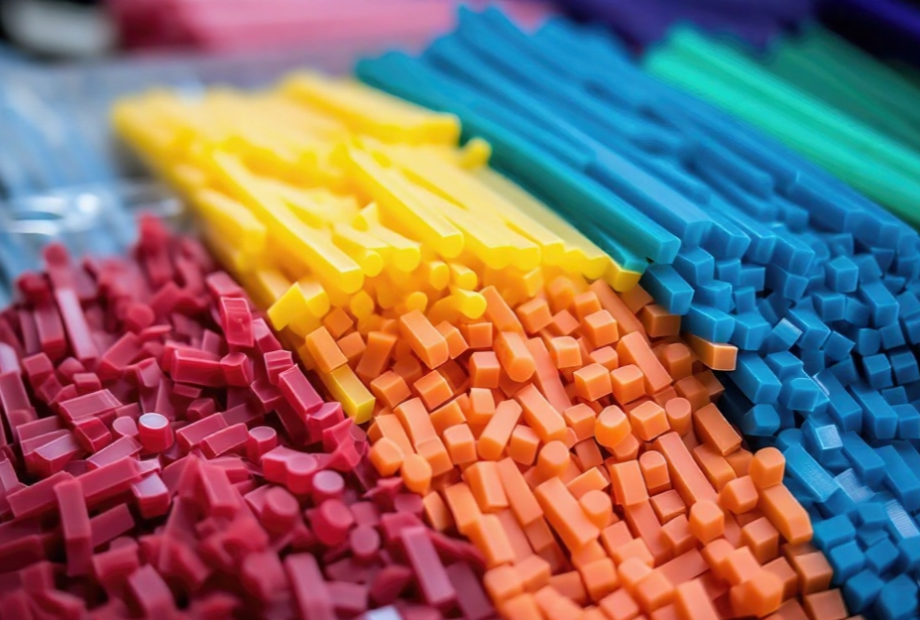
At the heart of this discussion lies the medical device injection mold, a process essential for producing high-quality components for devices used in diagnostics, therapy, and monitoring. Traditional methods often fall short, creating limitations in product design and functionality. A subpar mold can lead to compromised device performance—no one wants to deal with a faulty stethoscope in a time of need.

What’s the Problem?
As I reflect on my experiences in the industry spanning over 15 years, I distinctly remember the early days when manufacturing accuracy was a major pain point. Devices were not only bulky but also difficult to assemble, contributing to longer lead times and higher costs. These flaws became apparent during my involvement with a local surgical center in 2020; they needed quick-turnaround orthopedic devices that could withstand rigorous use.
Jumping to the present, it’s evident that advancements in medical injection molding, such as the integration of smart technologies and quality control measures, have a huge potential to reshape device manufacturing. I strongly believe we’re entering a new era where tailored, efficient designs will become the norm, benefiting both manufacturers and patients alike.
A Forward-Looking Perspective on Medical Injection Molding
Looking ahead to 2025 and beyond, it’s fascinating to consider how medical device injection molds are evolving. We’re on the brink of innovative processes that capitalize on unprecedented manufacturing precision and material options. I often marvel at the range of resins and thermoplastics available today, enabling us to create lighter, stronger, and more adaptable devices. It’s truly exciting—don’t you think?
One clear trend is the rise of biocompatible materials in molds, allowing for the production of devices that are not only functional but also safe for long-term human contact. With stringent regulatory requirements, companies that can innovate in quality and compliance will stand out in the market landscape. Another key consideration is sustainability; as I advise peers in the industry, integrating eco-friendly practices in medical device injection mold processes could elevate a brand’s appeal and compliance in the eyes of environmentally-conscious stakeholders.
What’s Next for the Industry?
As we journey forward, I can’t stress enough how much thoughtful consideration applies when selecting partners in the medical injection molding process. Key metrics should include their track record in quality adherence, responsiveness in customization, and experience with regulatory compliance. I’ve found that aligning with the right team makes a world of difference—trust me, being able to count on reliable partners is invaluable.
To wrap it all up, monitoring technological trends while focusing on user needs will be essential for companies navigating this changing landscape. Creating superior medical devices isn’t just about meeting current demands; it’s about imagining the future, where innovation and healthcare go hand in hand. When brands like Livepoint Mould lead the charge, everyone benefits, from manufacturers to, most importantly, patients.