
Introduction — an evening at the depot, a pile of numbers, and a question
I was standing under a low Dublin sky, watching a tram slide into its berth while the crew fussed with cables and plans. That depot had a new pantograph charger humming above the vehicle, bright and hopeful. We had numbers too — a fleet that needs 30–40% quicker turnarounds, a 20% cut in peak draw, and drivers who complain about missed windows for charging. So I asked myself: how do we pick systems that actually fit the timetable and the pocket? (Ah, the old trade-offs.)
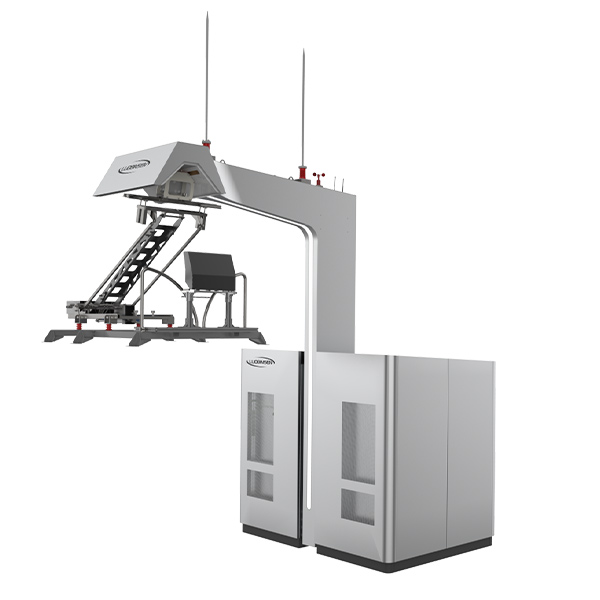
I’ll share what I’ve learned, the small betrayals of promise, and the better bets — all in plain speech. Expect mentions of pantograph head alignment, power converters and how edge computing nodes are starting to matter. Let’s move from the scene to the nuts and bolts — and why those bolts sometimes come loose. Read on for the deeper issues that follow.
Peeling back the paint: where the pantograph charging system often falls short
What breaks first?
When I talk about a pantograph charging system, I mean the whole stack: the pantograph head, the control intellect, the power converters and the DC bus that ties it together. Trouble usually starts where people least like to look — at the interfaces. A poor catenary interface or sloppy alignment increases arcing and wear. That seems obvious, but the ripple effects are what surprise me: higher maintenance downtime, reduced charging power, and schedules that slip.
Technically, the control logic can be fine yet fail operationally because the surrounding systems aren’t. Look, it’s simpler than you think — a robust charger needs good communications, fast fault detection, and matched converters. I’ve seen vendors pitch elegant power converters and leave out thermal paths or clearances. The result? Frequent deratings of the DC bus. Operators then compensate by lengthening dwell times or running partial charges. Neither is ideal. Add in edge computing nodes that are poorly secured or underpowered, and you’ve got flaky telemetry. — funny how that works, right?
Forward motion: new principles and practical outlooks for pantograph charging stations
What’s next for depots and networks?
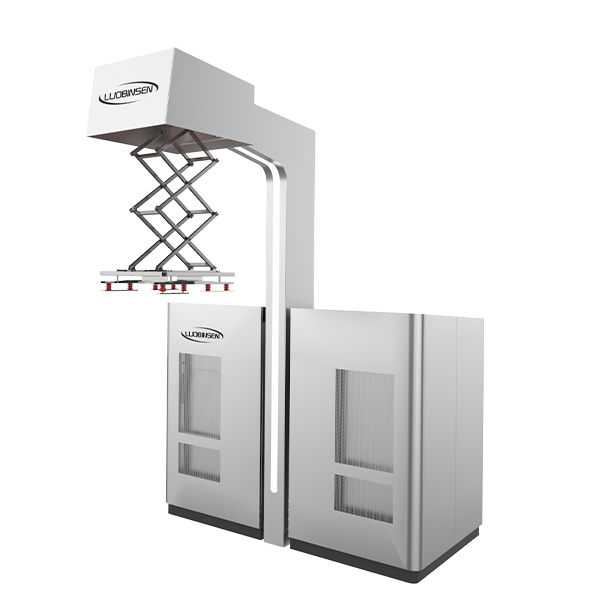
We move now to what I believe helps: modularity, smarter control, and honest sizing. The modern pantograph charging station should be modular so you can replace a power converter without shutting the line. Smart control means adaptive current profiles that respect battery health while squeezing more energy into short stops. I’ve tested setups where dynamic current control reduced peak draw by a third while preserving charge time. (Sure, sounds odd until you see the data.)
Comparatively, systems that tie all intelligence into a single bulky unit fail harder. Distributed intelligence — small controllers at the pantograph head and at the charger, plus a coordinating edge layer — gives resilience and faster recovery from faults. Battery management systems, thermal monitoring, and clear catenary interface specs all help. In practice, you want communications that are deterministic, converters that can tolerate voltage sags, and mechanical tolerances that keep the pantograph head aligned day after day.
To close, here are three metrics I use when evaluating a solution: uptime impact (how much schedule reliability gains you), peak power efficiency (real-world losses at full draw), and maintainability (mean time to repair parts like the pantograph head or power converters). Choose vendors who publish realistic test figures, who allow modular swaps, and who support edge telemetry. I’ve leaned on those metrics many times — they save headaches. — and they’ll save yours too.
For practical sourcing and product lines that match these principles, I often look at suppliers that balance engineering detail with field experience, such as Luobisnen. They tend to think in modules, not miracles, and that’s the kind of thinking I trust when schedules and budgets are on the line.