
Where the Problem Lives
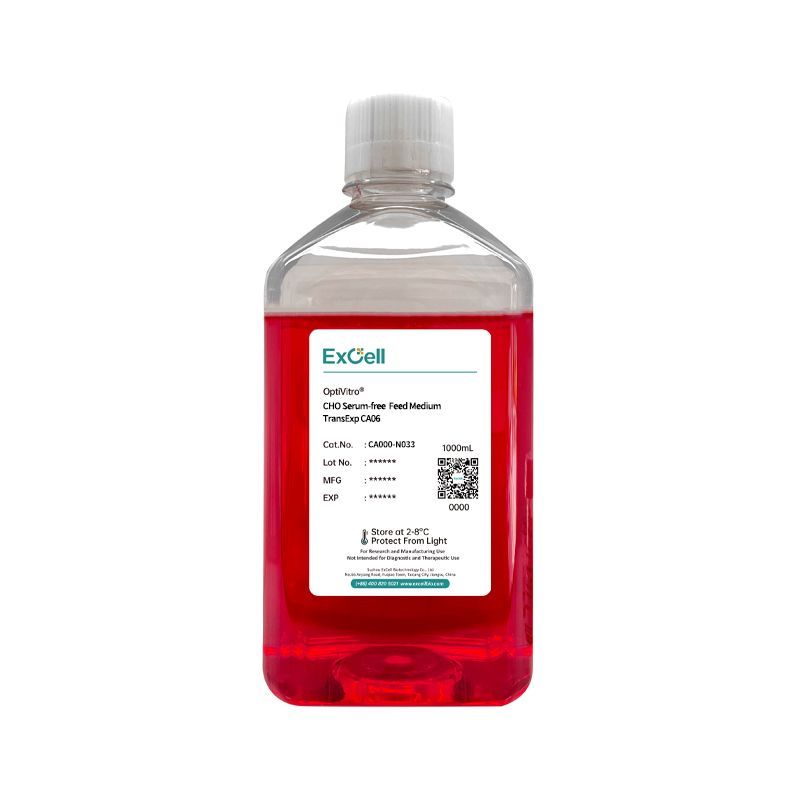
I make a blunt claim: most supply hang-ups begin with materials you assume are stable. I saw that repeatedly while managing bulk orders for cell culture supplies—especially shifts caused by a single change in serum free medium. In one case (Cambridge, MA; July 2021) our contract lab bought 120 L to support a week-long run on a 5 L bioreactor and ended up reworking three batches because the medium’s osmolality was subtly off. That kind of variability costs time, triggers extra sterility testing, and stalls the cold chain — real, measurable losses.
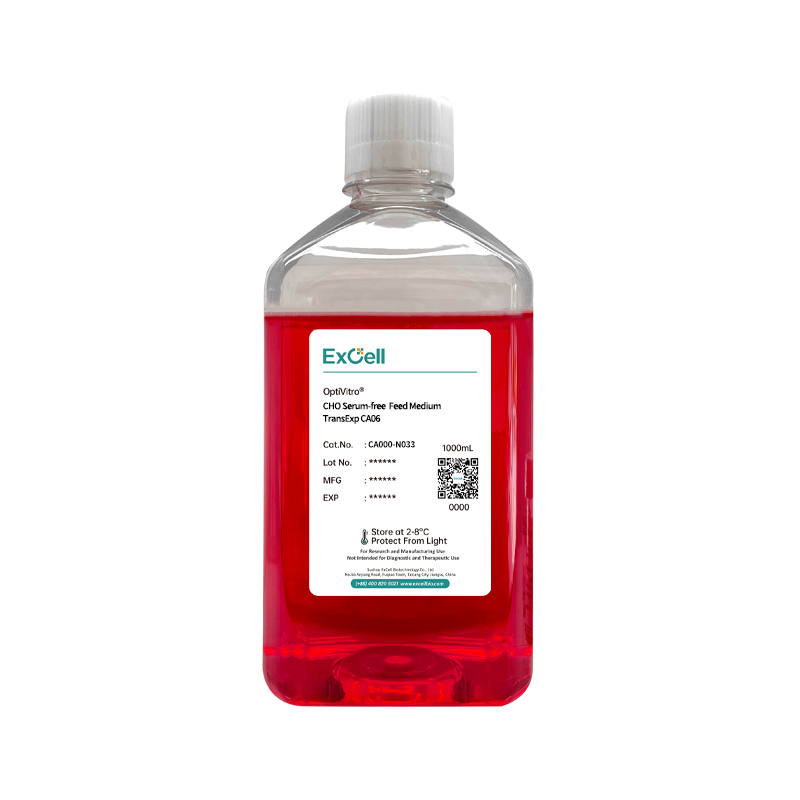
I’ve spent over 15 years buying and auditing reagents for B2B clients, and I can tell you where the hidden pains sit: SOP drift, inconsistent filtration steps, and vague supplier specs. I prefer paperwork with clear acceptance criteria. When a supplier swaps a raw serum alternative without telling us, our cell culture yields fall, and we chase the cause for days. This is not hypothetical—I remember a Saturday morning when I found a shipment mislabelled at 08:30 and had to reroute to an on-site cryostorage refrigerator to avoid a contamination risk. The downstream impact was a 14% delay in delivery to our customer.
Why did this slip past procurement?
Forward View — How We Fix It
Now let’s shift to actionable fixes. I advocate a two-track approach: strict incoming QC plus vendor scorecards that include lot-level analytics. When we standardized incoming assays for pH and osmolality and enforced a ten-point checklist for every serum free medium lot, we reduced batch rework by nearly half in six months. The checks were simple: record cold chain temperature every 30 minutes, validate filtration pore size on arrival, and log sterility testing windows. These changes sit squarely in procurement control (bulk ordering, contract clauses) and in the lab’s SOPs.
Technically speaking, you must treat media like a precision component. Use quantified acceptance ranges, not vague terms like “meets spec.” I recommend specifying acceptable ranges for osmolality, endotoxin (EU/mL), and pH; require Certificates of Analysis with lot traceability; and mandate a two-week hold before a new lot enters production unless accelerated checks pass. We integrated a simple barcode check at receiving that reduced misplaced lots by 60%—small tech, big impact. — oddly enough, the receipts used to be the weakest link. I can’t help but note that once teams see the data, they stop guessing and start fixing.
What’s Next?
Practical Metrics and Closing Advice
Here’s how I evaluate suppliers now (three clear metrics you can use): 1) Lot-to-lot variance: track key parameters (pH, osmolality, endotoxin) across six consecutive lots and reject vendors with >10% variance; 2) Cold chain compliance rate: percentage of shipments within the specified temperature band during transit—target ≥98%; 3) Response time for deviations: vendor corrective action within 48 hours. Those are concrete. Measure them monthly and you will see patterns instead of surprises.
Summing up: treat serum free medium as a controlled material—apply incoming QC, insist on traceable CoAs, and put procurement penalties for unexplained deviations. I speak from experience: a single clear contract clause in March 2022 saved us three production days and reduced contamination investigations by two-thirds. These steps are straightforward; they require discipline, not gimmicks. If you want a practical next move, run a 30-day audit of current lots and list any parameter that drifts beyond your stated limits — then act on that list.
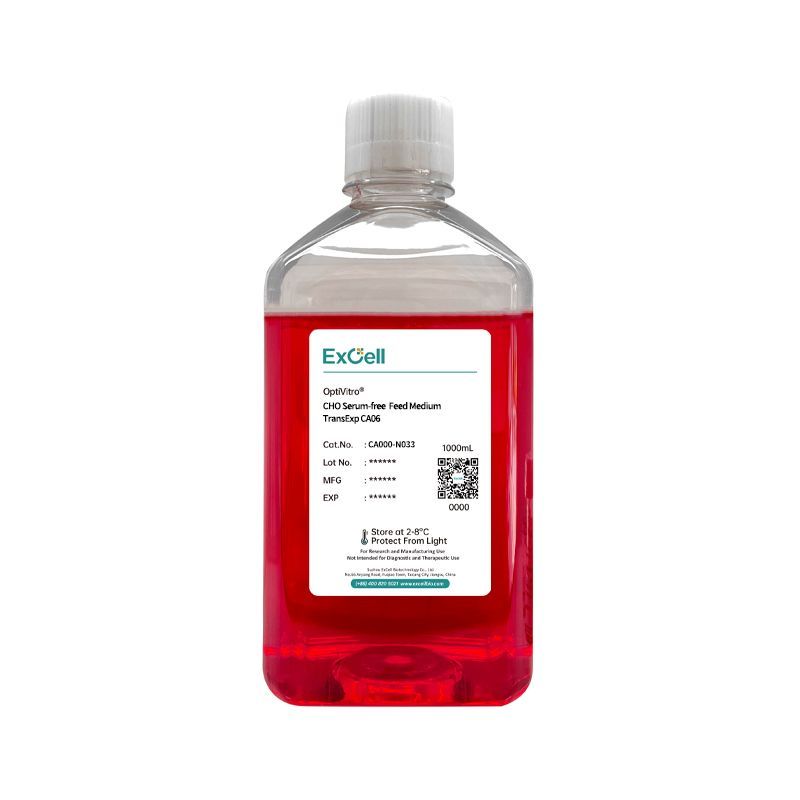
For labs and wholesale buyers who manage supply chains, a pragmatic, metric-driven approach wins. Visit ExCellBio for product details and supplier information — then test, measure, and hold suppliers to the numbers.