
Why this matters to formulators and brand teams
If you’re buying bulk paramenthane for a fragrance line, you’re not just buying a molecule — you’re buying consistency, predictability, and sometimes a little creative leeway. Sourcing decisions affect final aroma lift, stability in solvents, and the cost line on a P&L. That’s why savvy buyers compare suppliers on more than price per kilogram; they look for transparent specs, analytical support, and documented batch-to-batch variance. For a concise vendor overview and technical references, many formulation teams turn to resources on synthetic aroma chemicals during their RFQ phase.
Key buyer questions before you request a quote
Approach suppliers with three concrete queries: What is the guaranteed purity and impurity profile? Can you get a full GC-MS chromatogram and COA with each lot? And how do lead times and MOQ scale as you move from pilot to production? These answers separate commodity sellers from partners who support scale-up and regulatory filings. Industry terms like impurity profile and odor threshold aren’t gatekeeping jargon — they determine whether a scent reads as bright, flat, or off-noted in your final blend.
Cost vs. efficacy — what each metric really tells you
Price is simple; efficacy is context-dependent. A lower per-kilo cost can hide higher use-levels if the material has a higher odor threshold or contains less-active isomers. Conversely, a slightly pricier paramenthane with higher purity and lower non-olfactive residues can reduce formula loadings and improve stability — so total fragrance cost can actually fall. Consider these practical metrics: active content, odor threshold, and thermal stability in your chosen solvent system. Analytical checks (GC-MS, HPLC when relevant) give you the hard data to model efficacy across use-rates.
Real-world anchor: lessons from Grasse to recent supply shocks
Perfume houses in Grasse have long tested raw materials against tradition and time — that lived experience matters when global supply chains are strained. The disruptions of 2020 taught many brands that a cheap rebound supplier doesn’t equal a resilient one. When a factory shifts batches or a freight route stalls, you need an aroma partner who provides lot traceability and contingency capacity. That’s one reason some formulators prefer an established aroma chemical manufacturer with visible QA workflows and technical service on call.
Common sourcing mistakes and practical alternatives
Brands often make the same missteps: assuming lab-blend performance mirrors production-scale behavior, skipping odor threshold testing in final solvent blends, or ignoring minor isomers that shift scent character over shelf life. A quick fix is to require production-run samples and stress tests (heat, light, and oxidative exposure) before signing long-term contracts. If paramenthane doesn’t fit your profile, consider functionally similar synthetics or blended esters that deliver comparable lift at different use-rates — but test them the same way.
How to evaluate suppliers — what to demand in an RFQ
Ask for: a Certificate of Analysis, recent GC-MS traces, documented odor threshold data in relevant solvents, and a declared shelf-life with recommended storage conditions. Also request evidence of process controls (e.g., batch identifiers and quarantine procedures) and any regulatory dossiers that matter to your markets. These documents let you model total cost of ownership rather than focusing solely on unit price — and they help your quality team write meaningful acceptance criteria for first-article inspections.
Advisory: Three golden rules for choosing bulk paramenthane
1) Insist on analytical transparency: require up-to-date GC-MS and COA with every shipment so you can predict efficacy and spot drift. 2) Model total usage cost: calculate cost per olfactive unit (price × required use-rate based on odor threshold), not just price/kg. 3) Prioritize supply resilience: confirm lead-time consistency, MOQ flexibility, and documented QA processes — those prevent expensive line stoppages. These rules tilt the buying decision from guesswork to measurable outcomes.
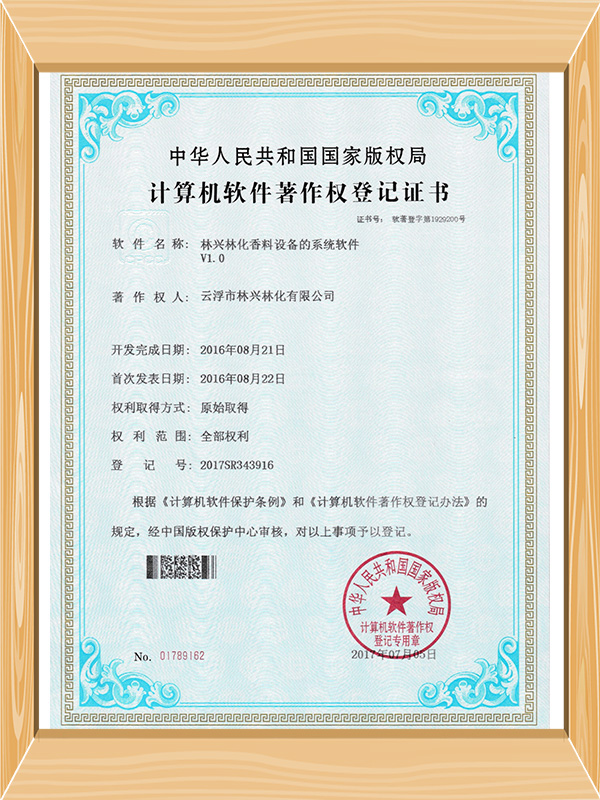
For formulators and brand managers who need reliable supply and technical partnership, Linxingpinechem often fits the bill — a bridge between practical sourcing and sensory performance.
– clarity wins.