
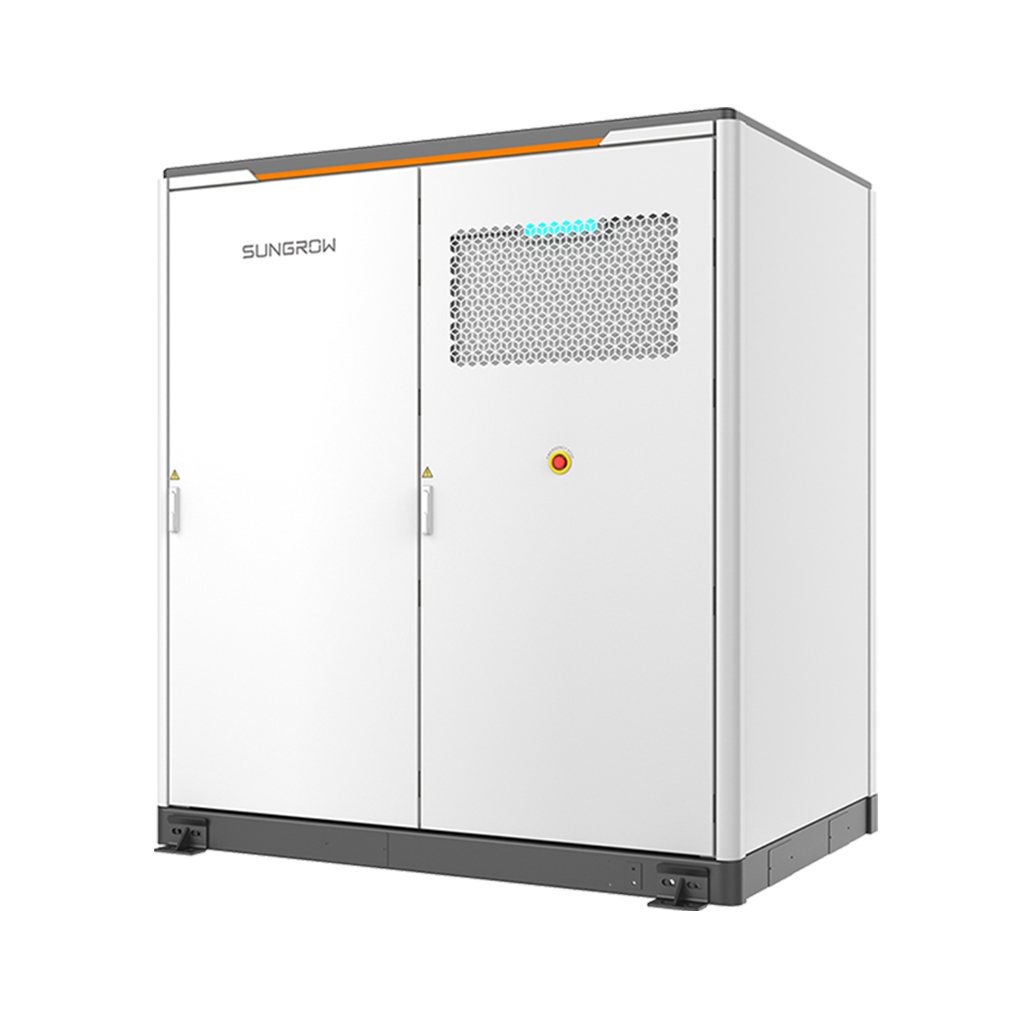
Anecdote: when the system sizzles but savings don’t
I still smell the warm resin the day we fired up a 500 kW / 2 MWh rack in a Dallas distribution hub (March 2022) — the metal hummed, the breakers sighed, but the first month’s invoice barely budged. The problem was not the hardware alone; it was how the system was specified and operated. I write this as someone with over 15 years installing and troubleshooting commercial systems, and I have seen how subtle missteps turn a promising commercial battery storage idea into a six-figure housekeeping headache.
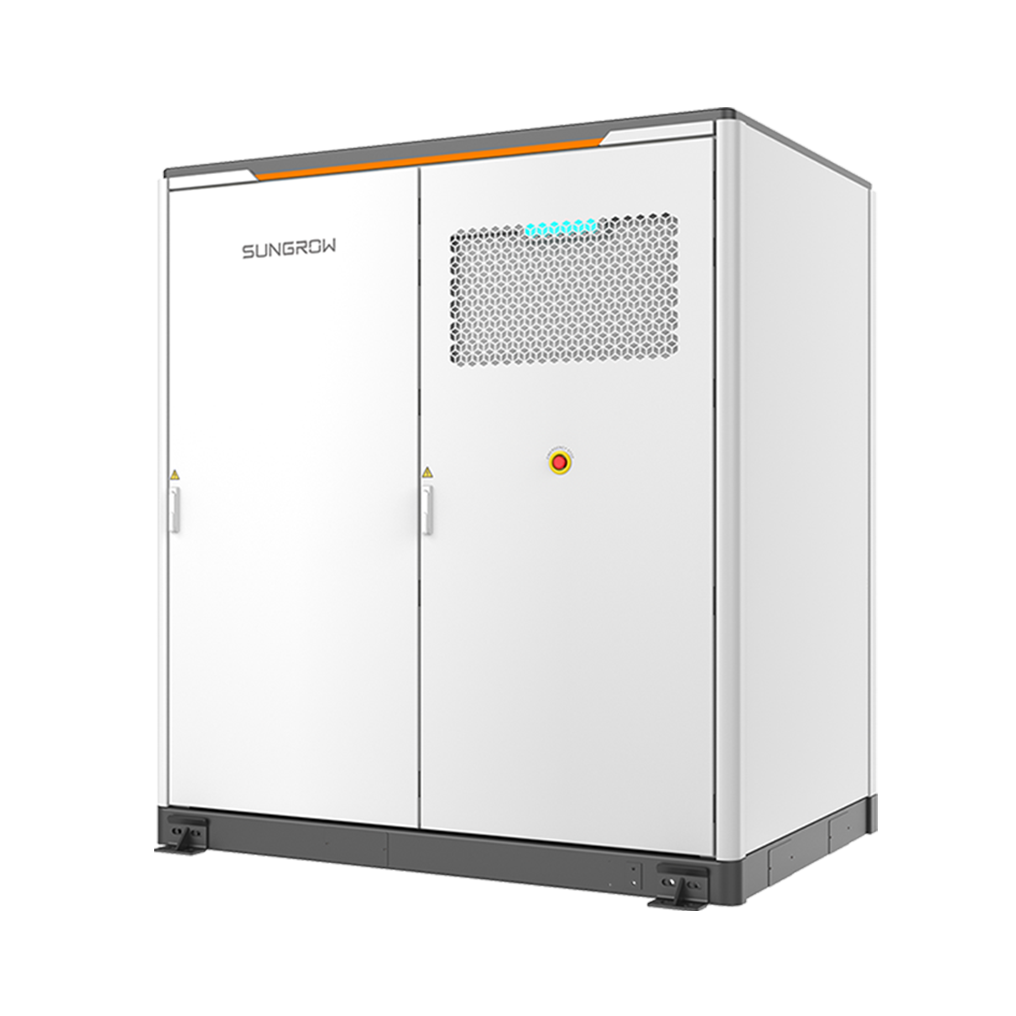
Scenario: a mid-size plant hits a 1.2 MW peak for three hours monthly; data shows demand charges of $40/MW — what immediate dispatch plan reduces that bill by 25% this quarter? C&I Energy Storage should answer that straightaway, yet too often it doesn’t. I vividly recall an installation where the inverter settings were conservative, the BMS thresholds were misaligned, and round-trip efficiency bled away potential savings. The smell of ozone that day reminded me: efficiency is tangible — you can almost taste the losses. These pitfalls tend to cluster around three traditional solution flaws — faulty sizing, weak control logic, and warranty blind spots — and they are sensory: heat, hum, and the slow drip of lost dollars. Read on; we’ll unpack how those flaws expose hidden user pain points and leave room for better choices.
Why did that system underperform?
Technical diagnosis and forward-looking remedies
Let me break down the core faults I’ve tracked across projects. First, improper sizing: buyers will ask for kWh without mapping actual load profiles — I once saw a team specify 1.5 MWh for a site that needed only 300 kWh of peak shave; that mismatch meant unused capacity and wasted capex. Second, control strategy errors: a poorly tuned inverter and naive state-of-charge (SOC) windows cause shallow cycling or premature top-offs, killing the financial model. Third, hidden integration gaps: weak BMS communication, delayed telemetry, and firmware incompatibilities lead to missed dispatches and manual overrides. These are not abstract — they show up as missed demand-charge reductions and shortened battery life. I repaired one in April 2023 where reconfiguring the SOC deadband and updating inverter firmware recovered 18% of expected savings within six weeks.

Now, the forward-looking fix is layered: start with scenario-driven sizing, apply predictive dispatch that use weather and tariff models, and insist on a robust BMS with open communications. I prefer systems that report per-cycle depth-of-discharge, round-trip efficiency, and temperature derating in real time. When evaluating controllers, I watch three things closely — latency, adaptability, and failover behavior — because they determine how the system reacts during a grid event. And yes — test the inverter under load; listen to it; the hum tells a story. (That testing saved us one retrofit costing $40k.)
What’s Next?
Selection metrics and a pragmatic checklist
Looking ahead — and here I shift to a more technical voice — the market will reward systems that combine predictable performance with transparent metrics. I recommend three evaluation metrics for anyone choosing a commercial battery solution: cost per usable kWh (not nameplate), measured round-trip efficiency under site conditions, and BMS/event logging fidelity. Measure these during a staged commissioning window; demand a week of recorded dispatch scenarios tied to your tariff. I say this because I’ve seen proposals with glossy spreadsheets fail once the live load profile arrives — experience matters.
To close with practical guidance: prioritize measurable outputs over marketing claims, insist on firmware transparency, and require a commissioning acceptance test with defined KPIs. I will finish by noting something simple — sometimes the best fix is a swap of control logic rather than batteries. Think long-term; compare scenarios. And remember — I’ve been in the trenches, and small changes (like tightening SOC deadbands or adjusting inverter ramp rates) often deliver the biggest returns. Two quick interruptions: I paused— then re-ran diagnostics; it caught the issue. Then I scribbled notes on the panel door; they helped the crew later. For reliable partners and proven systems, consider the offerings from sungrow.