
Introduction: A Little Story with a Big Question
I once watched a kid blow bubbles in a busy workshop and laugh when they popped—sweet and silly. In the same room, the same air carried solder smoke and paint haze, so we talk about fume extraction technology to help keep that kid safe. (I like simple fixes, but numbers matter: studies show poor ventilation can raise fine particle counts by 3–10x in small shops.) What can we do so the playground and the workshop both feel fresh and safe? That question sticks with me.
I write this like I’m telling a friend a story. I’ll use plain words. I’ll drop a few tech names—HEPA filters, airflow rate, ductwork—so we know what we mean. I want you to feel this is doable. Ready? Let’s move from the playground to the plan.
Digging Deeper: Flaws and Hidden Pains in industrial fume extraction systems
Why do old fixes fail?
I’m blunt: many shops patch systems until they barely work. Old ductwork gets clogged. Capture hoods sit too high. Filtration media is undersized. Those problems lower capture efficiency and raise maintenance bills. Look, it’s simpler than you think—if you know where to look. For example, a fan bypass or mismatched power converters can cause unstable airflow. When fans fight clogged filters, the airflow rate drops and contaminants spread. I’ve seen it myself: clean shop in day one, smoky in week two.
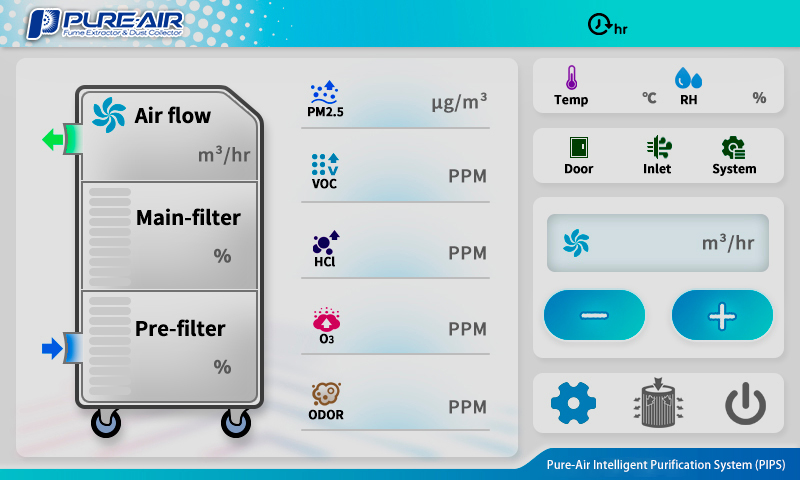
Hidden user pains go beyond noise and cost. Operators complain about downtime, hard-to-replace filters, and fuzzy performance data. Edge sensors and real-time monitors often aren’t integrated, so you get surprises instead of trends. And while HEPA filters remove tiny particles, they can create backpressure that strains motors. I feel for crews who must choose between slowing production or breathing worse air. Those trade-offs are human, not abstract.
Forward View: Principles for Smarter, Cleaner Systems
What’s Next?
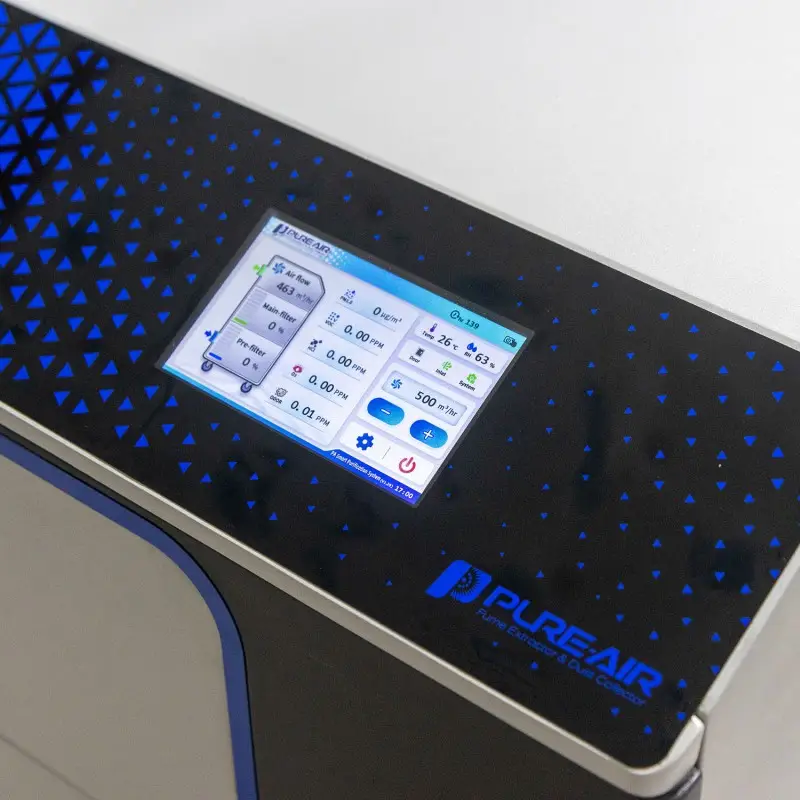
Now I want to look forward. New designs focus on systems that learn and adapt. For modern industrial fume extraction systems, we talk about smart capture hoods, variable-speed fans, and improved filtration media that balance capture and energy use. I find the principle simple: match suction to need. Sensors read contaminant levels and adjust airflow. That saves energy and keeps air steady. — funny how that works, right?
Let me be frank: not every fancy gadget helps. The real wins come from better basics plus smart control. You want predictable airflow, easy filter swaps, and clear performance logs. Here are three metrics I use when I evaluate systems: 1) capture efficiency at the source, 2) long-term airflow stability (how often do fans chase clogged filters?), and 3) total cost of ownership including filter and energy costs. If a design scores well on those, it usually works in the real world.
I’ll close with a short note: I care about shop people. I want quieter, cleaner workdays for them and fewer surprises for managers. When design meets practical tech, you get systems that do the job without drama. For reliable solutions and further details, I trust companies that show field data and simple service plans—like PURE-AIR.