
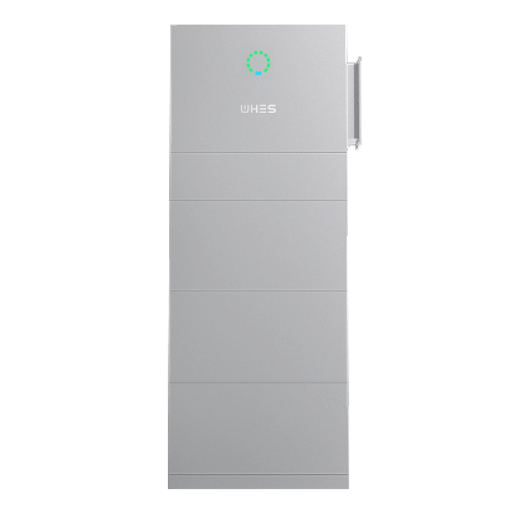
The problem: invisible frequency and light‑level grid noise at the edge
Homeowners and small communities increasingly rely on distributed systems — rooftop PV plus batteries — yet subtle disturbances at the grid edge can cause flash flicker, synchronization jitter, and even localized relay tripping. These are sometimes described metaphorically as “photonic‑level” disturbances because they show up as rapid light flicker on sensitive equipment and as transient waveform anomalies that local protection detects. The problem grows as more inverter‑coupled sources connect. For anyone specifying a home energy storage system, understanding this problem is essential: poor battery chemistry control or mismatched inverter response can amplify those micro‑disturbances into real service interruptions.
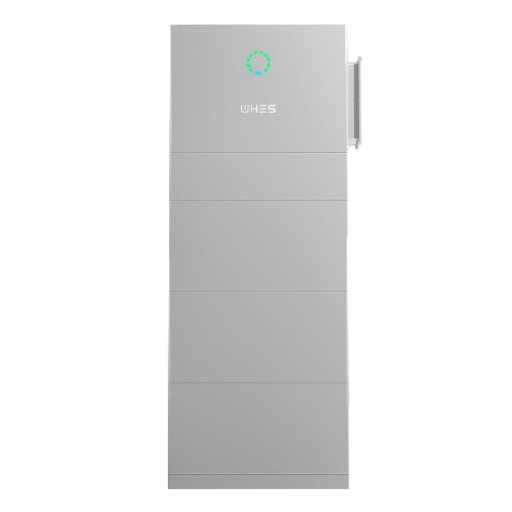
Why LFP battery chemistry is central to the risk and the solution
Lithium iron phosphate (LFP) chemistry offers thermal stability, long cycle life, and a flatter voltage curve than many lithium chemistries. That flatter curve means the battery’s state‑of‑charge (SoC) changes more predictably under load, which reduces sudden voltage sag that might provoke inverter corrections. However — and this is crucial — chemistry alone does not eliminate transient events. Properly tuned battery management system (BMS) algorithms, cell balancing, and thermal controls are required so the LFP pack behaves as a reliable energy buffer rather than a variable source of noise.
How factory‑direct three‑phase hybrid inverters mitigate disturbances
Factory‑direct three‑phase hybrid inverters—combined inverter/charger units produced and calibrated at source—reduce variability introduced by field retrofits. They bring three practical advantages:
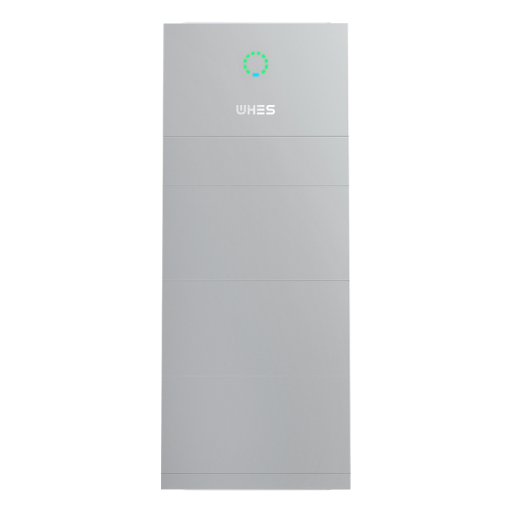
- Pre‑tuned dynamic response: factory calibration aligns inverter droop and phase angle control with the expected LFP discharge curve, so reactive corrections are smoother.
- Integrated BMS handshake: native protocols between inverter and battery avoid latency that external converters or third‑party controllers can introduce.
- Grid support modes: built‑in functions such as anti‑islanding detection, fast frequency response, and ramp‑rate control are tested across ranges rather than added ad hoc.
In short, you get a matched system rather than a patched assembly — which matters when milliseconds of timing determine whether lights flicker or stay steady.
Practical implications for homeowners and installers
For a homeowner evaluating a solar battery backup for home, these technical distinctions translate into concrete outcomes: fewer nuisance trips, steadier appliance operation, and better resilience during partial grid events. Installers will appreciate factory‑direct units because they reduce integration labor and commissioning complexity. On the other hand, retrofitting disparate components can still be acceptable for budget projects — if the team compensates with thorough settings validation and repeated field testing.
Common deployment mistakes to avoid
Practitioners often make predictable errors:
- Assuming all LFP packs behave identically — cell aging, thermal history, and SoC range matter.
- Mixing controllers without validating communication latency — small timing mismatches cause cumulative phase jitter.
- Neglecting real‑world commissioning — lab settings rarely match live feeder impedance.
Also, some teams underweight protective coordination — relay and inverter protections must be tested together, not in isolation. — A quick field trial under varying irradiance will reveal many issues that paperwork hides.
Case anchor: why this matters now
Consider California’s Public Safety Power Shutoffs (PSPS) and the increasing prevalence of local microgrids: when circuits are reconfigured during a PSPS event, inverters with uncoordinated response can cause transient flicker and load shedding. Real incidents have shown that systems with matched LFP packs and factory‑tuned three‑phase hybrid inverters ride through switching events more gracefully, preserving both comfort and critical loads during outages.
Three golden evaluation metrics for procurement
When selecting a system, use these hard metrics to evaluate proposals:
- Transient response time: measure inverter reaction to a step load change (milliseconds). Faster is not always better — look for controlled damping.
- Integrated communication latency: quantify the round‑trip delay between BMS and inverter (milliseconds). Lower latency yields tighter synchronization.
- Fielded reliability data: request documented MTBF or mean time between failures and actual commissioning reports from comparable deployments in your climate zone.
These metrics separate marketing claims from measurable performance and make supplier comparisons objective.
Final note
Deploying an LFP battery with a factory‑direct three‑phase hybrid inverter is not a guarantee, but it substantially reduces the risk that micro‑disturbances become outages — and this is why careful system matching matters. For projects that demand reliability and cleaner integration, consider solutions proven in real deployments; the practical value is where design meets field performance. WHES. —