
Introduction: Why Good Rooms Still Sound Bad
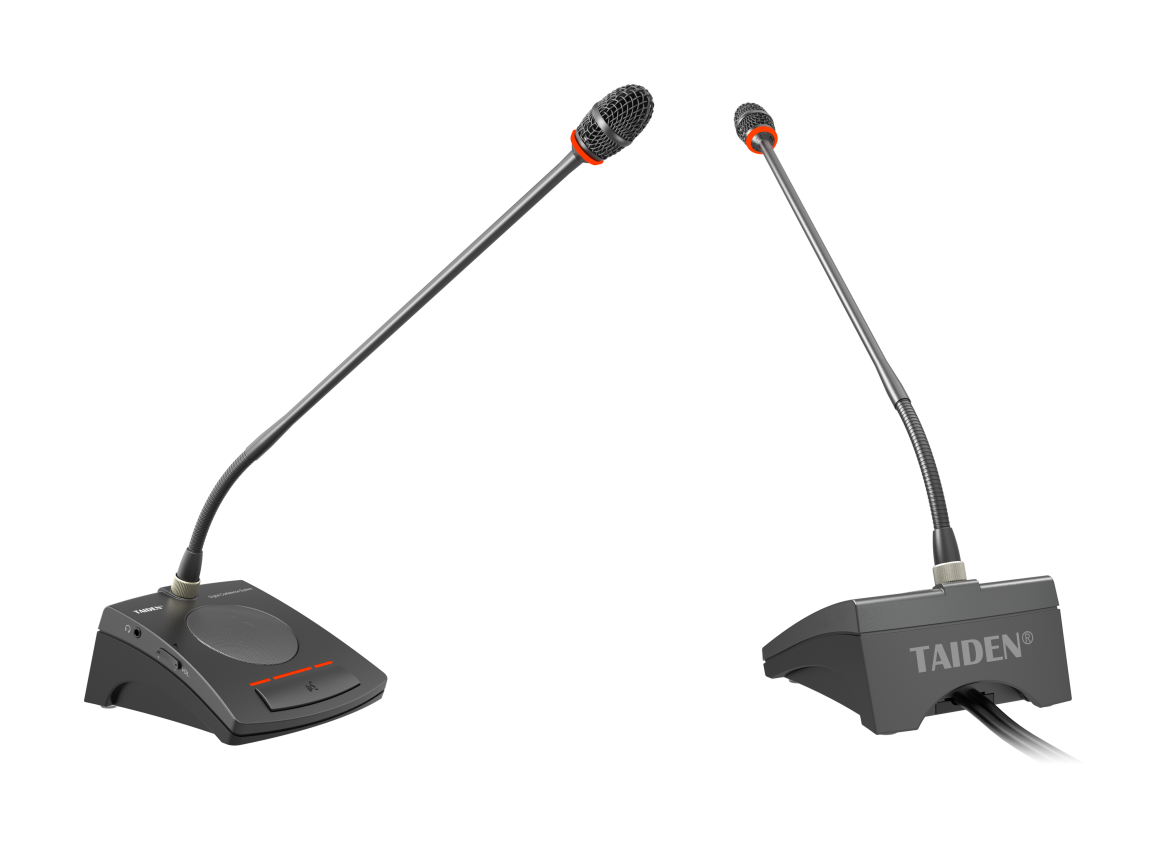
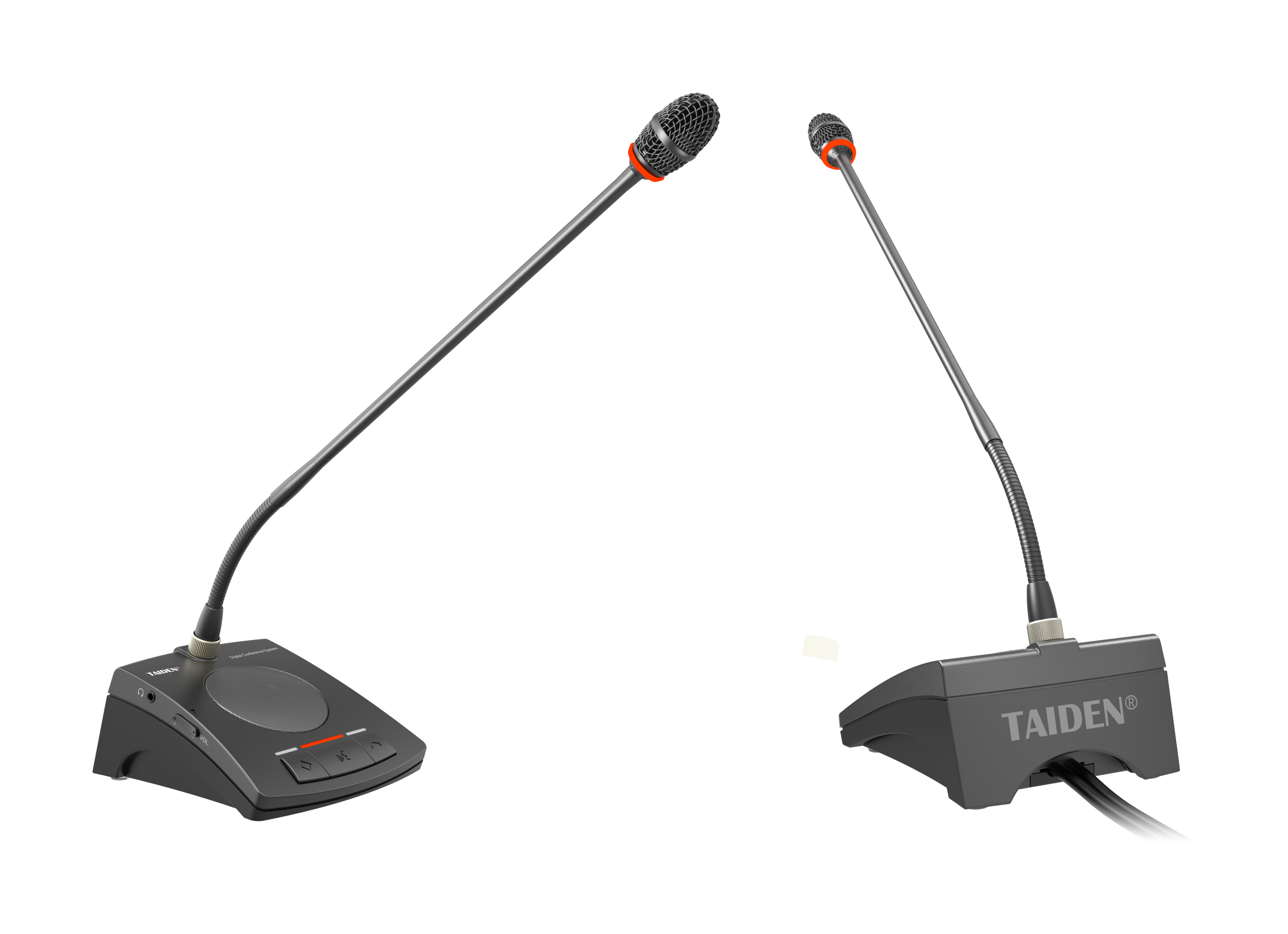
Here’s the truth: most meeting rooms fail not because of the people, but because the sound chain is messy. Your conference room speaker and microphone system is often solid on paper, yet folks still say “¿me escuchan?” every five minutes. In real teams, the story is the same: a big client call, a sleek space, and then the echo shows up like an uninvited guest. Many teams report that a chunk of meeting time goes to audio fixes, not decisions—no es broma. If that’s common, what’s actually broken in the signal path?
We’ll look at the gaps people miss, how they add up, and why the room sounds fine one day and rough the next. Short delays, weak mic pickup, and poor gain structure can sink trust fast. You feel it in pacing and in the awkward silence after someone asks a simple question. So, how do we build flow instead of friction? Let’s move from vibes to root causes—step by step—and see how to close those gaps without breaking the team’s rhythm. Okay, vámonos to the core problems and the better fixes coming next.
Deeper Layer: The Hidden Fault Lines in Everyday Setups
The buying checklist for audio visual conference equipment often skips the real blockers. Look, it’s simpler than you think: traditional kits assume the room is stable, but rooms breathe. Chairs move, people turn, laptops join, and air-con kicks in. A fixed pickup pattern fights these changes. That’s why a basic mic bar and ceiling speakers can sound fine at 9 a.m. and muddy at 3 p.m.—funny how that works, right? Underneath, the signal-to-noise ratio swings, the gain structure drifts, and the acoustic echo cancellation (AEC) chases its own tail.
What’s really failing here?
Three quiet culprits: 1) Non-adaptive beamforming that can’t track soft voices off-axis. 2) Latency spikes from stacked DSP blocks that add delay to talk-back. 3) Auto-mix logic that treats a cough like a speaker. Add clock drift between devices and you get comb filtering that your ears read as “tinny.” People call it “echo,” but it’s layered artifacts. The result is fatigue and slow decisions. That’s the hidden pain: not the gear, but how it handles variance—moving talkers, glass walls, and live screens. Fix the variance, and you fix the room.
Comparative Insight: Principles That Actually Fix the Room
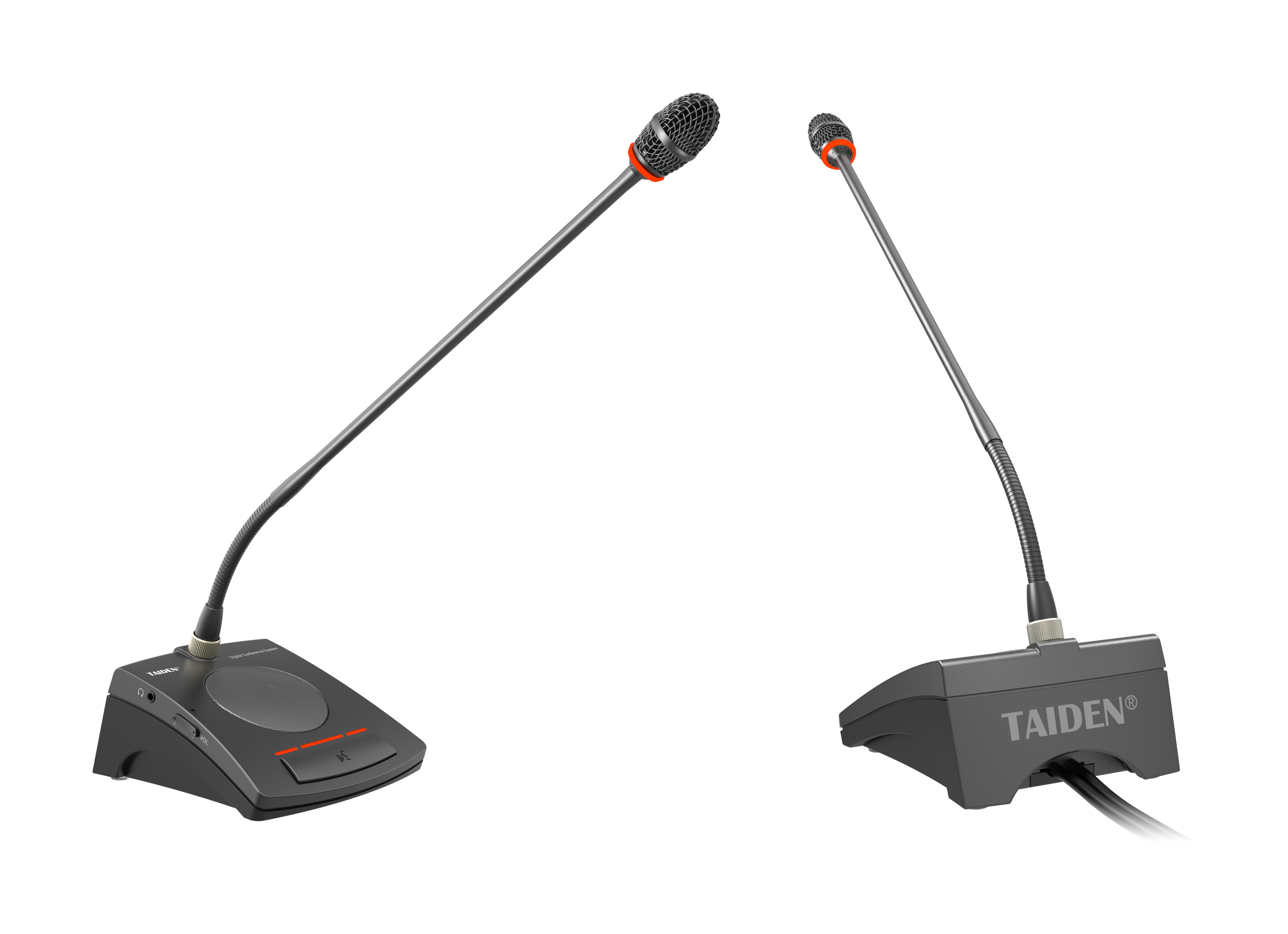
Next-gen rooms take a different path. They don’t chase noise; they design for change. Systems with adaptive beamforming arrays, fast AEC, and scene-aware auto-mixing tune in real time. They park heavy lifting near the source—edge computing nodes close to the mics—to cut latency and keep lip-sync tight. Even power converters and network switches matter when you want clean, stable gain across the chain. If you prefer a tidy footprint, a modern compact meeting system can bundle DSP, control, and endpoints so they clock together. Fewer hops. Fewer surprises. And when the room shifts, the array follows. That means less “repeat that, porfa,” and more flow. Small detail, big win.
What’s Next
So, compare old to new: fixed patterns vs. adaptive pickup; heavy, centralized DSP vs. edge-tuned processing; guesswork auto-mix vs. intent-aware gating. The lesson is simple: design for movement, not for a perfect blueprint. As you choose, use three checks. 1) Measured intelligibility under load, not just empty-room specs. 2) End-to-end latency, including AEC and network hops, under 100–150 ms total. 3) Stability of SNR and auto-mix behavior with two or more overlapping talkers. If a platform aces those, your meetings feel human again—less friction, more clarity (y más confianza). And if you want a steady reference point while you explore options, keep an eye on brands pushing coherent room design like TAIDEN.