
Introduction
Have you ever wondered why two similar shops running identical machines deliver very different volumes each week? For CNC equipment manufacturers, the gap between order and output is not just skill — it is process, tooling choices and system integration. I work with shops across the region and I see the numbers: a 20–40% swing in throughput from basic setup differences alone (and that’s before we count downtime). So what small changes actually move the needle — and how should a factory prioritise upgrades without breaking the bank?

Here I will walk through practical comparisons, share where common fixes fall short, and point to clearer ways forward. Expect talk of spindle speed, toolpaths and servo motors — but also plain language about shop-floor reality. Let’s start by looking at why the usual quick fixes often fail, and then we will compare smarter alternatives.
Why Traditional Fixes Fail: A Technical Look
cnc milling company owners frequently tell me they have chased the same fixes: add cutting tools, increase spindle speed, or replace fixtures. Technically, each change addresses a symptom but not the underlying problem. I analyse root causes with data logging and see repeated patterns: inconsistent toolpath optimisation, poor fixture repeatability, and insufficient feedback from servo motors and power converters. These issues degrade cycle time and accuracy together — not separately.
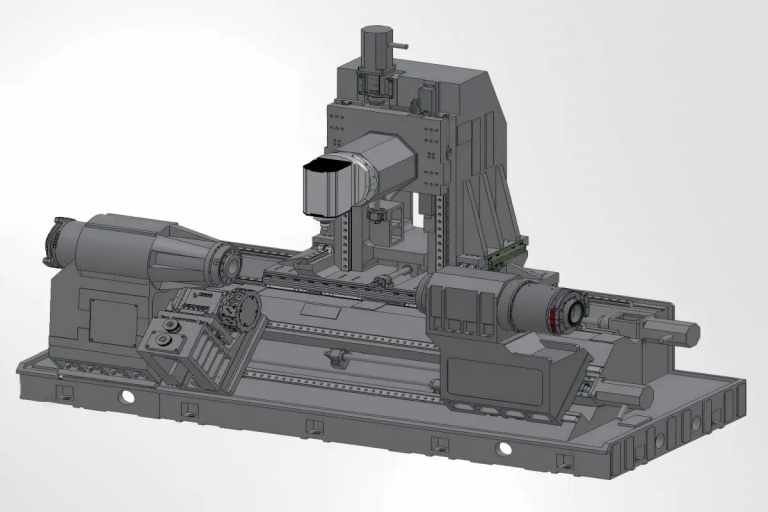
What exactly breaks down?
First, toolpath strategies are often inherited from the past. CAM settings that made sense for older machines suddenly cause chatter or excessive tool wear on modern rigs. Second, spindle speed changes without matching feed adjustments lead to higher scrap rates. Third, peripheral systems such as coolant delivery or chip evacuation are overlooked. Look, it’s simpler than you think: worse cycle time rarely comes from one fault. It is the compound effect of marginal settings, suboptimal fixtures and weak process monitoring that eats your margins. I prefer to instrument the line, gather cycle-level telemetry, then incrementally tune feeds, holder clamping and the tool changer sequence. That method reduces surprises and shows measurable gains.
Future Outlook: New Principles and Case Examples
Now, shifting from diagnosis to design, I want to outline a forward-looking approach. We should think beyond component swaps and toward system principles: integrated controls, predictive maintenance, and smarter toolpath generation. In a recent pilot with a local workshop that buys standard kits from a cnc milling machine china supplier, we combined edge computing nodes for local analytics with updated CAM tool libraries. The result: fewer tool changes per job and a 30% drop in unplanned stoppages. — funny how that works, right?
In practical terms, build a roadmap: start with reliable telemetry (spindle torque, servo motor load), then layer in simple analytics to detect drift. Next, test adaptive feeds in low-risk jobs before wider rollout. You will need modest investment in controllers and sensors, but the payoff is predictable. I also recommend trial runs that compare current operations against the new setup using the same job batch. That direct comparison highlights real gains and avoids wishful thinking.
Conclusion — How to Choose and Measure Progress
We have looked at where traditional remedies fail, and we have mapped a clear route toward better throughput using measurement and modest technology. To close, here are three practical metrics I use to evaluate any change: cycle time variation (standard deviation of cycles per job), first-time-right rate (percentage of parts meeting spec without rework), and mean time between unplanned stops. Focus on those numbers and you will see whether a new fixture, CAM setting or an analytics layer actually helps.
I prefer honest trials over glossy promises. When I advise a shop or work with a team, we report results weekly and keep the changes small and reversible. That way the improvement sticks. If you want to compare specific tool strategies or need a checklist for pilot tests, I’m happy to share. Leichman