
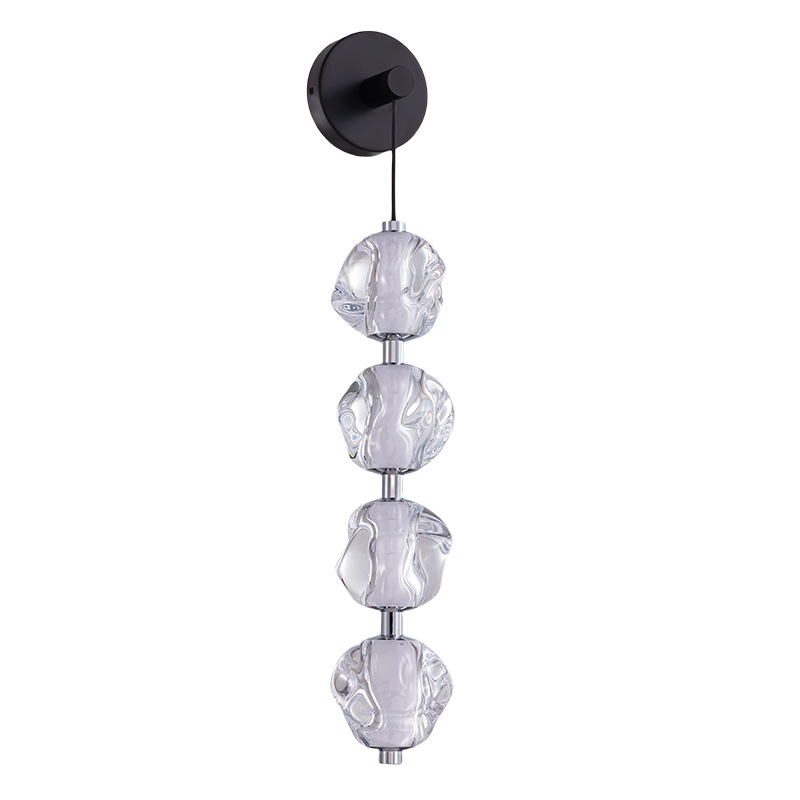
A Corridor, a Switch, a Choice
You walk down a dim hallway, touch the switch, and the wall glows. Wall lamp manufacturers sit behind that quiet moment, shaping metal, light, and time. Industry notes say layered lighting now drives over half of remodel plans, and wall fixtures are core to that mix. Still, many buyers feel lost between look and function—beauty often steals clarity. If the glare is wrong, or the color feels off, the night looks longer. That is not just taste; it is optics and ergonomics meeting mood.
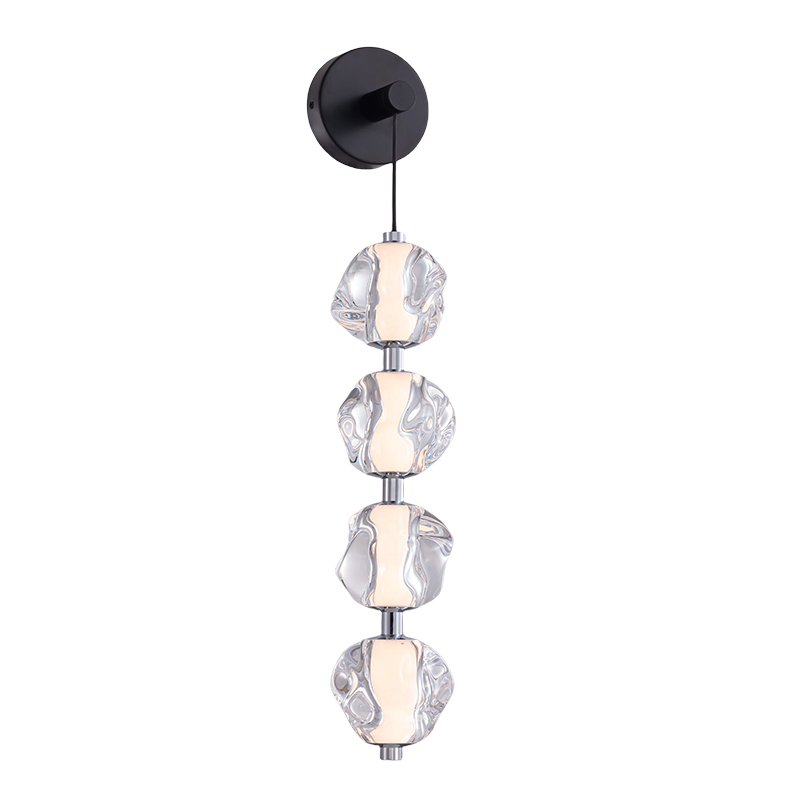
Here is the rub: what we feel is guided by small parts. CRI, the optical diffuser, and the dimming driver are not dinner talk, yet they shape every evening. A finish that looks sleek may hide heat issues or weak coating. An IP rating that fits a dry hall may fail in a busy kitchen. Philosophically, design promises meaning—but meaning needs math (and patience). So, are we buying art, or a system? Let’s step closer to the surface, then under it, to see the trade-offs in plain light. Next, we move from look to logic.
The Matte Black Reality: Pain Points You Don’t See
What are we not seeing?
Consider the matte black wall lamp. It looks calm, timeless, even brave. Yet finish is more than fashion; it is also a stress test. Matte paints can show fingerprints, dust, and micro-scratches faster than gloss—funny how minimalism can feel high-maintenance. Traditional powder coating often fights humidity and UV, but edge wear can expose the substrate. That is where powder-coating adhesion and pretreatment matter. Thermal management also hides in plain sight: darker finishes absorb heat, nudging junction temperatures up and reducing LED life. A constant-current driver may stabilize current, but poor heat paths still cut lumen output. Look, it’s simpler than you think.
There is more. Some legacy dimmers cause PWM flicker at low levels; eyes feel it before brains do. Glare control depends on the lens, baffle depth, and photometric distribution, not just the silhouette. And while many homes are dry zones, kitchens and baths need the right IP rating—water vapor is a slow critic. Power factor and EMC shielding matter when circuits get crowded; small homes feel big grid noise. The classic “matte solves everything” idea misses a core truth: finish, optics, and electronics are a single system—split them, and comfort breaks.
Beyond the Finish: Principles Steering the Next Wave
What’s Next
Forward-looking design leans on simple principles with serious gains. First, cool the source before you cool the room: die-cast housings with clear thermal paths keep LED junction temps low, extending life without boosting wattage. Second, separate style from stress: dual-layer coatings anchor color while resisting abrasion, so the look lasts. Third, let the driver carry the brain: high-power-factor, low-flicker drivers with smart dimming curves clean up the analog mess at the wall. Shift the comparison: a matte black face is lovely, but what sits behind it should be smarter than the paint. That is why a finish like a satin or a warm metal can be more forgiving day-to-day. A balanced spec beats a pretty brochure—every time.
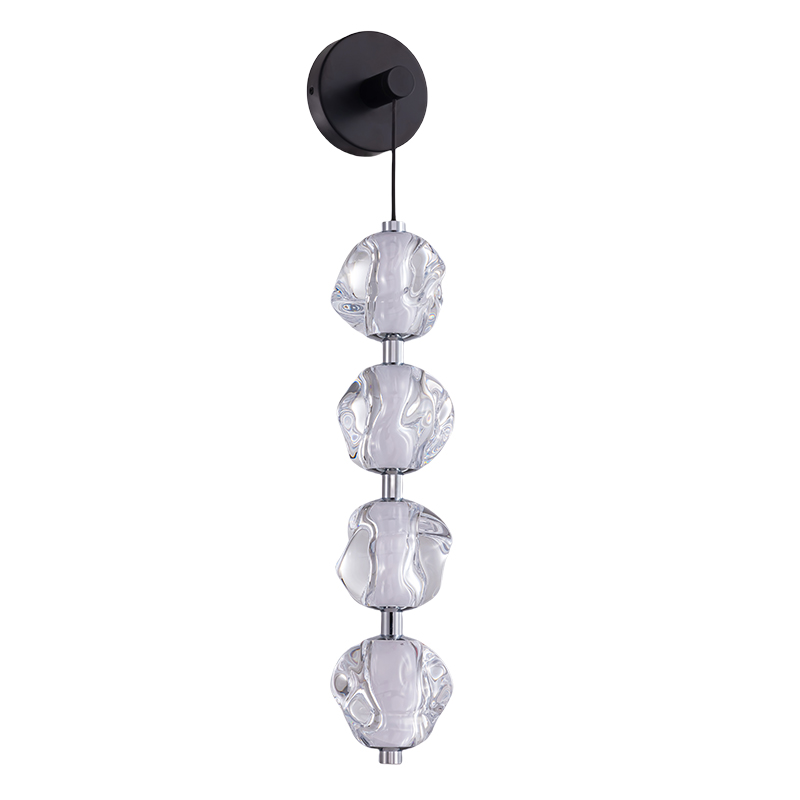
To see it in contrast, imagine a pair: a matte piece for drama, and a modern gold wall lamp for warmth. Side by side, gold reflects a touch more ambient light, easing perceived glare; matte absorbs, shaping shadow with intent. With new drivers, both can dim clean to 1% without visible ripple, while better optics spread luminance and reduce hot spots. In other words, the win is not only the finish; it is the system harmony. Summing up: finishes tune emotion; electronics secure comfort; optics keep peace at eye level—funny how that works, right?
Advisory close—three quick metrics when you choose: 1) durability: abrasion cycles, salt-spray hours, and UV stability for the finish; 2) visual comfort: flicker index under 0.1 at low dim, CRI 90+ with even photometric curves; 3) reliability: clear thermal path, documented driver efficiency, and a warranty aligned to expected LED life. Choose with both heart and numbers. For makers who publish real test data and balance form with function, see kinglong.