
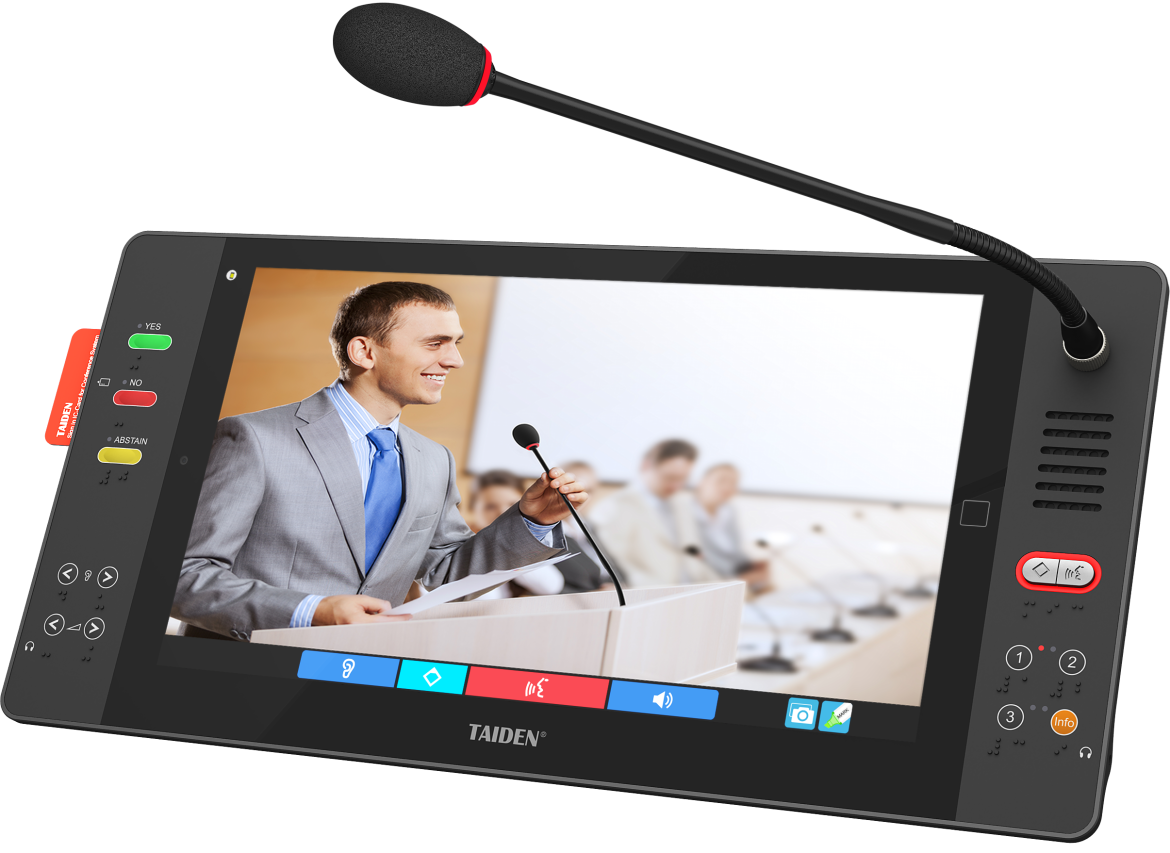
Kickoff: Why Paper Still Haunts the Meeting Room
Here’s the truth: paper is slowing meetings down, y’all. A paperless conference system can fix more than the trees. Picture this morning rush—badges half ready, handouts stacked, volunteers whispering (and bless their hearts). When rooms lean on a wireless conference system, the plan sounds easy: no cords, no clutter, faster starts. Yet 60% of printed agendas still end up in recycling, and late edits cost minutes that feel like hours. The tech is there—edge computing nodes sit in microphones, power converters tuck under tables—but hiccups remain. People fumble for the right page. Hosts panic about last‑second changes. And decisions drag. So let me ask: if we can hail a ride from our phone in seconds, why does a simple vote take so long in a boardroom? The answer sits in how we move signals, not paper—funny how that works, right?
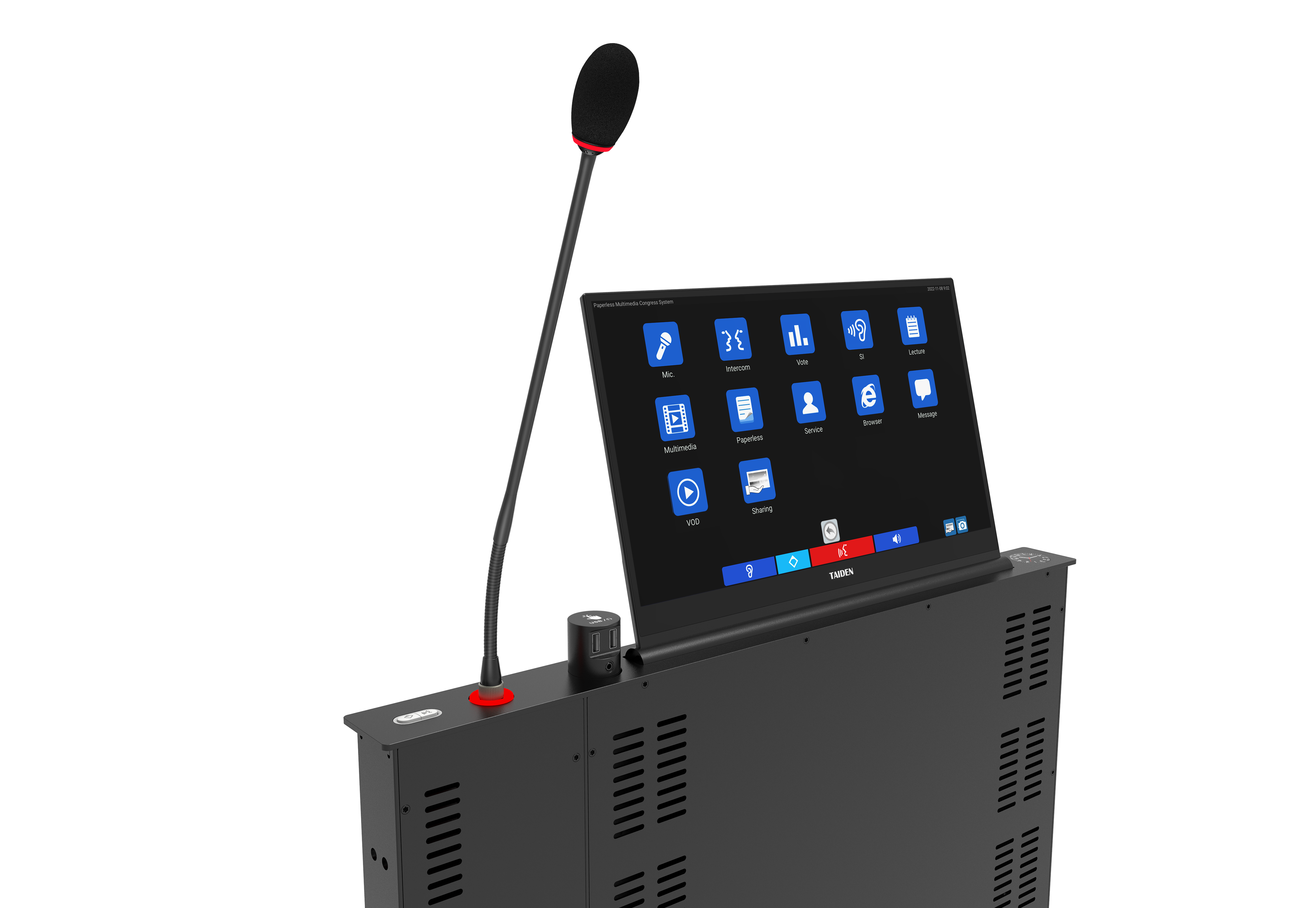
That’s the setup. Now let’s look under the hood and see where the friction hides, then how to design past it.
Under the Hood: Where Wireless Trips Up
In a wireless conference system, every mic, panel, and screen is a tiny radio on shared air. Sounds neat. But the old way leans on crowded bands and fixed channels. Interference creeps in from phones and Wi‑Fi. The RF spectrum gets noisy. Your latency budget shrinks, packets queue, and then people talk over each other. Look, it’s simpler than you think: if your QoS rules are weak, audio gets jitter; if your channel plan is rigid, dropouts appear in the same corner—every time. Add encryption overhead like AES‑128 and weak antenna placement, and now timing slips. Batteries run low mid‑panel. Firmware mismatches break pairing. The result? A “paperless” promise with “restless” meetings.
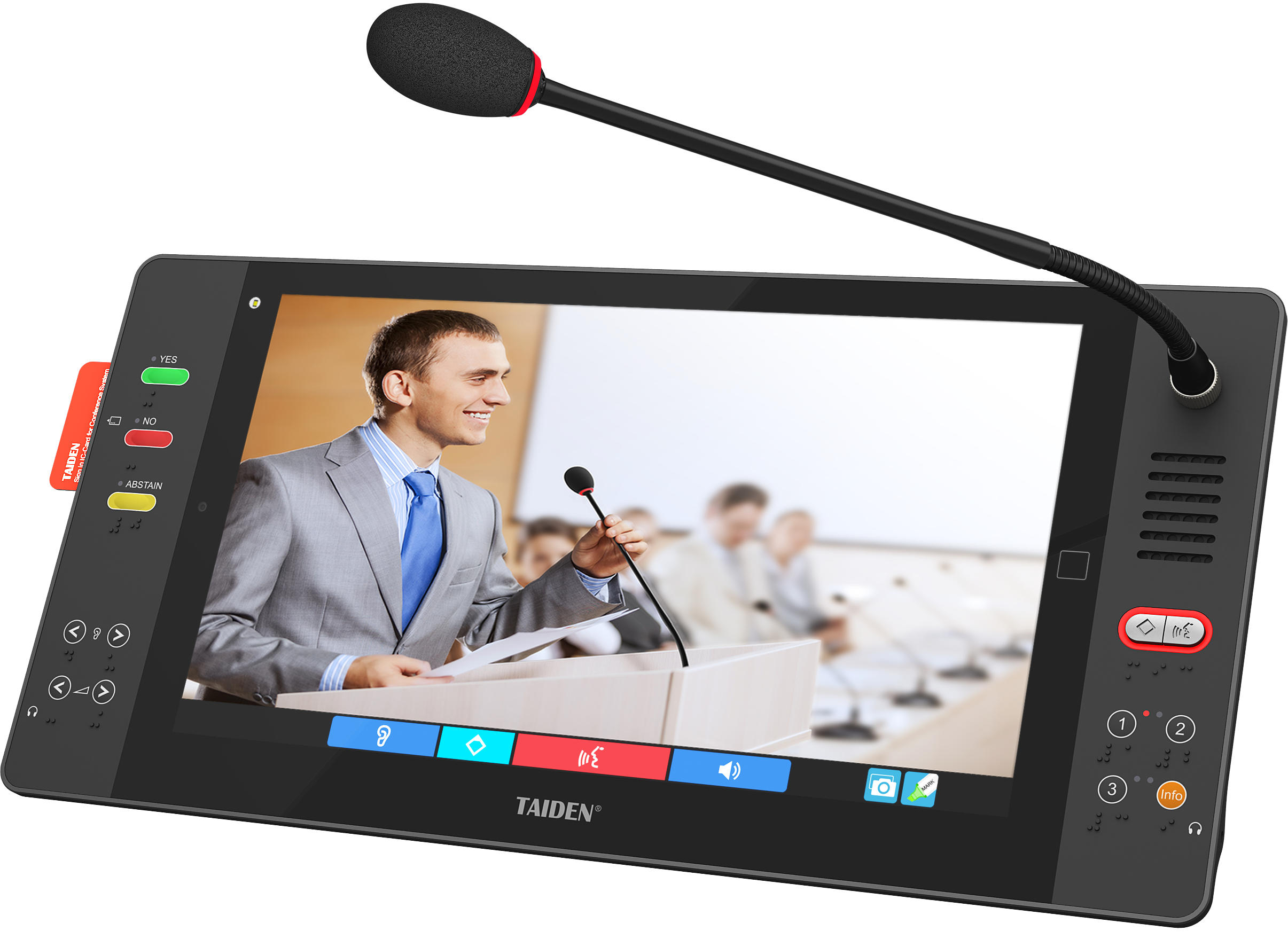
Why do legacy setups stumble?
They rely on a single access point with no mesh topology, so one choke point rules the room. They push updates by hand, so fixes come late. They lack spectrum agility, so a new hotspot outside the door ruins a vote tally. And they skim on coverage design, so dead spots linger behind columns. Admins feel it most: manual provisioning, no device tags, weak audit trails. Even small details, like auto AEC in the DSP chain and mic gain staging, get skipped when time runs tight. People think the issue is software menus. It’s not. It’s planning for power, air, and change—day after day.
Next Moves: Smarter Links, Leaner Rooms
What’s Next
Good news. The new playbook blends resilient radios with smart control. Think frequency‑hopping that avoids crowded lanes in real time, plus beamforming on each tabletop microphone array to cut room noise. Devices share health data, so hosts see battery time left, signal strength, and user joins at a glance. Mesh backhaul keeps audio paths alive even if one node blinks. The system tunes its own latency budget under load. And yes, updates go out as firmware over‑the‑air, not by walking a cart around. It’s still simple for users. Tap to join. Tap to vote. The hard work lives inside the radios and the DSP, not in your lap—thank goodness.
Compare that to the old stack. You had one channel plan and hope. Now, spectrum agility plus PoE base stations, better codecs with built‑in AEC, and WebRTC gateways for hybrid guests make the room feel calm. You set roles, not knobs. You see RF heat maps, not guesswork. And when a panel grows from 8 to 18 speakers, the system scales by policy, not panic—because the rules for QoS, retries, and failover are already baked in. Different format tomorrow? No problem. Profiles travel with the room, not the agenda. Look, this is the quiet kind of progress that saves minutes, and those minutes save meetings.
How to Choose: A Short, Sharp Checklist
Let’s keep it practical and measurable. One, resilience under pressure: test end‑to‑end latency with 2x the expected devices, monitor packet loss, and verify auto channel selection across busy RF. Two, power and uptime: confirm runtime per unit, hot‑swap options, and battery health analytics—no surprise outages. Three, security and care: insist on strong encryption, role‑based control, clear audit logs, and fast FOTA paths. Add device tagging, SNMP hooks, and clean dashboards so ops can breathe. If a vendor can show these in a live room, with a dozen mics and a shifting audience, you’re on the right trail—no swagger needed, just results. For a grounded starting point, explore how established players approach these building blocks at TAIDEN.