
Comparing dual‑MPPT and single‑MPPT setups is the quickest way to cut through marketing noise and design a hybrid PV array that actually performs at the house — not just on spec sheets. Right up front: a good solar and power inverter ties the array, the battery and the grid smoothly, and that link matters more than panel brand alone. This piece lays out the trade-offs, with clear comparisons, real-world anchors and practical choices for Aussie households looking to pair rooftop PV with battery storage.
Why dual‑MPPT matters for real roofs
MPPT — maximum power point tracking — is the bit of kit that squeezes the most from varying sunlight. Dual‑MPPT systems let you run two independent string groups at different orientations or tilts. In practice that means more usable kilowatt‑hours when you’ve got roof shading or east/west arrays. For many suburban installs, the marginal gain in midday and morning output covers the hardware premium inside a few years.
How hybrid inverters change the comparison
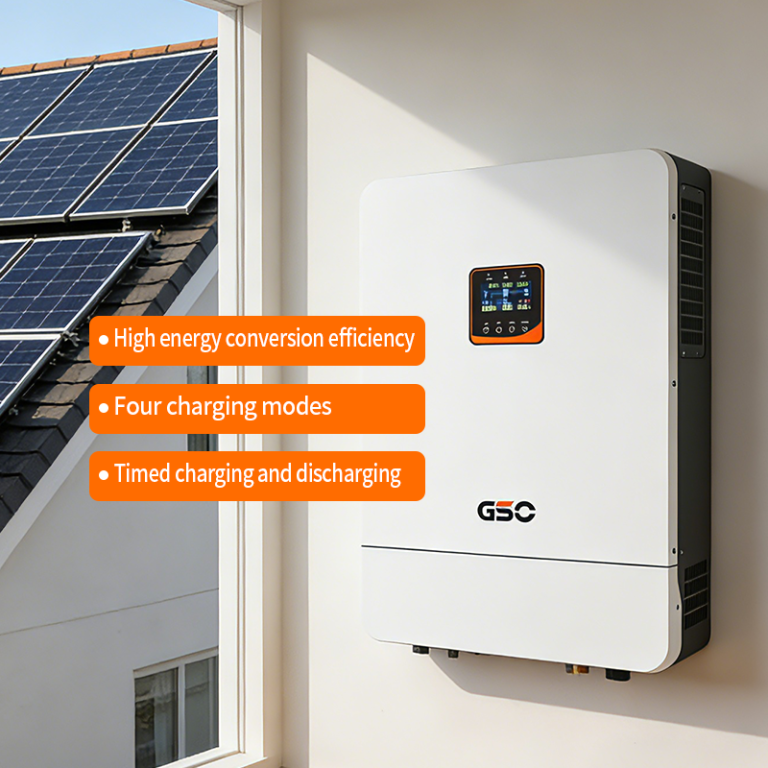
Mixed setups used to mean separate inverter and battery systems. Hybrid inverters now combine solar inverter functionality with battery management, reducing conversion stages and simplifying control. That lowers losses in DC/AC conversion and streamlines monitoring. Hybrid designs also give smarter charge control during grid events, so you keep essential loads running when the network dips.
Real‑world anchor: lessons from South Australia
South Australia has been a proving ground for high distributed solar penetration and short‑duration grid independence. Local networks and installers learned fast: mismatched strings caused performance gaps that dual‑MPPT solved on many roofs. Those field cases underscore one fact — site complexity, not headline panel efficiency, usually determines whether dual‑MPPT is worth it.
Head‑to‑head: practical trade‑offs
Comparing key factors gives a clearer design decision than blanket claims.
– Performance: Dual‑MPPT wins with mixed orientations or partial shading. Single‑MPPT can match when the roof is uniform. – Cost: Dual adds upfront controller expense and slightly more wiring. Payback depends on local consumption and battery size. – Simplicity: Single‑MPPT setups are easier to commission and cheaper to troubleshoot. Dual systems demand more design thought. – Flexibility: Dual gives future expandability — add panels on a different axis without redoing everything.
Common design mistakes to avoid
Designers often oversize string length just because it “seems fine” — that raises mismatch losses. Similarly, pairing an undersized battery with a high‑output array leaves energy on the table. Installers sometimes ignore cable runs, which create voltage drop and negate MPPT gains — a detail that bites during hot afternoons. A bit of upfront engineering prevents those predictable issues.
Installation tips that actually matter
Plan the array layout for future expansion and place the inverter close to the battery to reduce DC losses. Use module‑level blocking diodes only when needed and confirm temperature coefficients across panel types — they affect seasonal yield. For monitoring, choose systems that report string‑level data so you can spot a failing string early.
Three golden metrics for choosing the right setup
1) Energy match: Compare expected PV yield curves with household load and battery capacity. The tighter the match, the faster the payback. 2) Site complexity score: Count different roof aspects, shading obstructions and likely future expansions. Two or more differing axes usually justify dual‑MPPT. 3) System losses budget: Add realistic allowances for wiring, inverter efficiency, and battery round‑trip efficiency. If losses exceed 15%, rethink component sizing — small tweaks here yield measurable gains.
These metrics guide a clear, evidence‑driven choice and prevent the usual overbuild. For hands‑on installs, the right solar power inverter is the linchpin — it turns design decisions into reliable output.

Make the choice that aligns performance, cost and future needs — and you’ll sleep easier knowing the system is built to deliver. — gsopower