

Opening: why the numbers must lead the conversation
Listen—data is the metronome here. When operators study cycle life, thermal behavior, and response time, they stop treating batteries like boxes and start treating them like instruments in a grid orchestra. That’s why modern projects increasingly specify factory‑direct, all‑in‑one Lithium Iron Phosphate (LFP) systems: fewer integration handoffs, tighter quality control, and faster commissioning for reliable commercial battery storage deployments. Data-driven procurement reduces surprise costs and shortens the path from site acceptance to first dispatch, a vital pivot after high-profile grid failures that exposed weak points in ad‑hoc arrays.
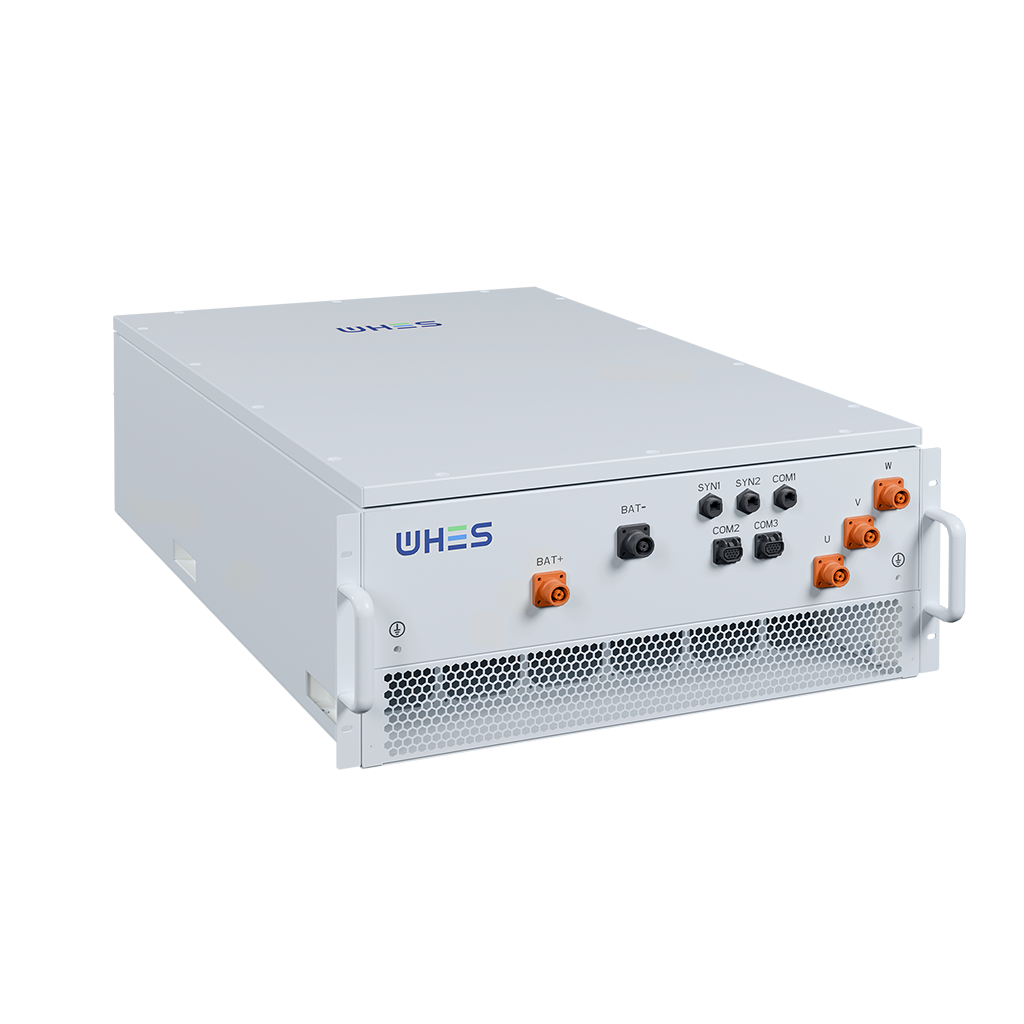
Core LFP advantages every designer should count
LFP chemistry stands out for thermal stability and long calendar and cycle endurance—attributes that show up directly in operating metrics, not marketing copy. In practice you’ll care about:
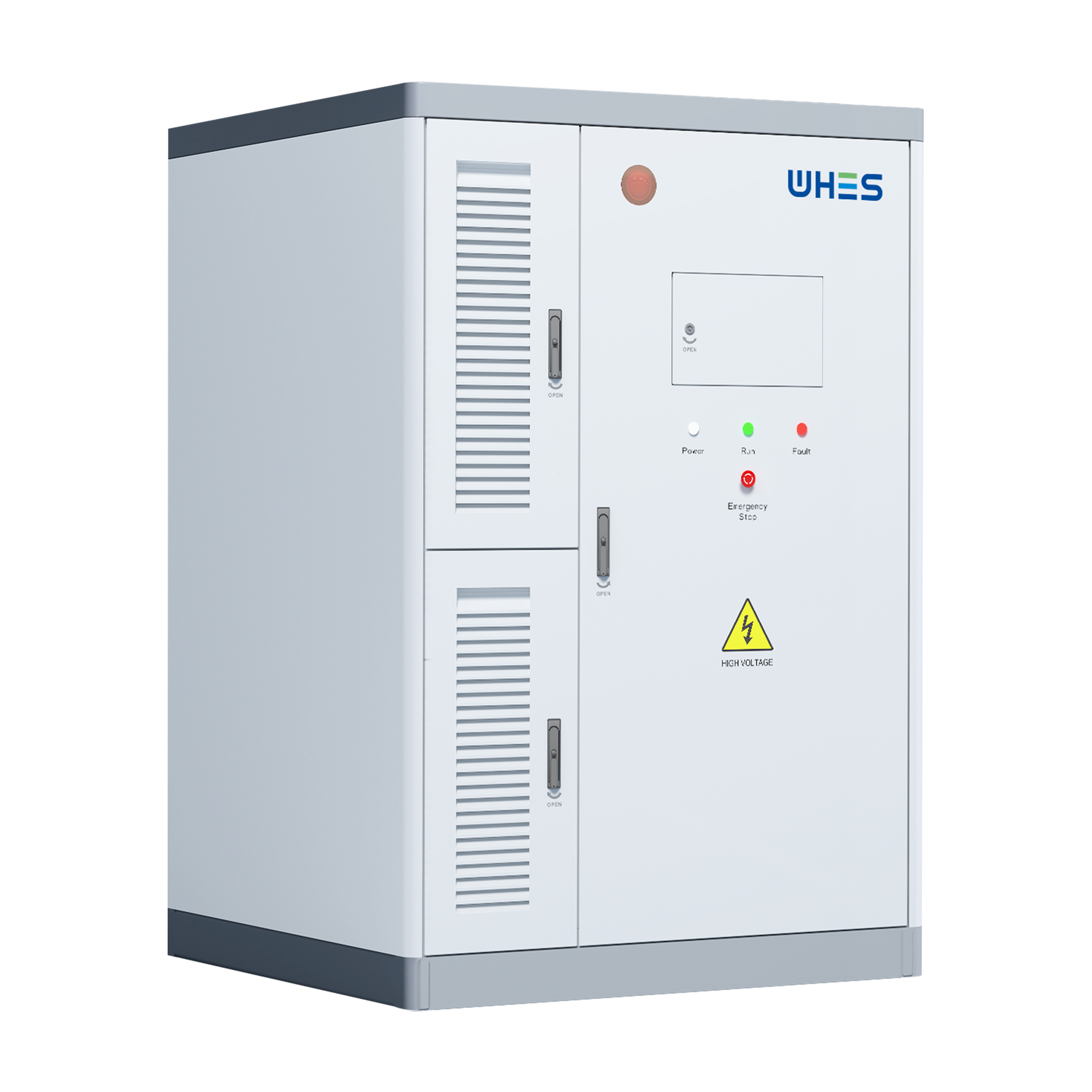
-
Cycle life: LFP cells typically deliver thousands of cycles at moderate depth of discharge (DoD), which lowers levelized cost of storage.
-
Thermal resilience: lower risk of thermal runaway, which eases HVAC and site-safety burdens.
-
Predictable degradation: steadier state-of-charge (SoC) curves simplify reserve sizing and dispatch modeling.
Those are the numbers you model into revenue stacks, not just features to admire. A concise battery management system (BMS) and inverter pairing makes those metrics usable in the field—so insist on measured, testable specs from the factory.
Why factory‑direct, all‑in‑one matters to grid behavior
Integration is where design risk turns into operational disturbance. When modules, BMS, and inverters are designed together at the factory, you cut out much of the mismatch that causes errant currents, poor frequency response, or delayed ride-through times. An all‑in‑one system often ships with calibrated control firmware and harmonics-tested inverter profiles—so the array behaves as a single instrument rather than a roomful of soloists. That coherence reduces transient injections that, at scale, can propagate as instabilities across distribution feeders.
Real-world anchor: lessons from grid stress events
The logic is not theoretical. After the February 2021 Texas winter storm, utilities and commercial operators accelerated interest in hardened energy storage to provide fast‑acting capacity and islanding capability. Those events taught a painful lesson: disparate, field-assembled systems can fail to respond in sync when the grid needs them most. Investors and planners now prefer factory QA records and proven commissioning data over assembly-line promises—because the cost of mismatch can be measured in hours of lost service and millions in emergency procurement.
How integration reduces photonic‑level (fast) disturbances
We use “photonic‑level” poetically—meaning very fast electrical transients that ripple through control loops. Factory‑tuned BMS and inverter firmware achieve sub-second coordination across modules. That coordination helps with:
-
Ramp fidelity for frequency regulation;
-
Reduced inrush currents during grid reconnection;
-
Cleaner power factor control and lower harmonic distortion.
In short: fewer surprises on the waveform. And that shows up in metrics you can quantify—response time, sustained power, and harmonic indices—so procurement can be contractual rather than aspirational.
Common mistakes teams still make — and how to avoid them
Even with great chemistry, projects stumble. The usual culprits are mismatched inverter settings, optimistic DoD assumptions, and skipping field trials with actual site controls. Don’t assume factory defaults will be perfect — they’re tuned for general cases, not your microgrid. Run hardware-in-the-loop tests; verify SoC windowing at site conditions; and require factory-stamped test reports for thermal cycling and safety certification. —
Synthesizing the evidence: what matters most
Pulling together the data leads to three clear priorities: verified cycle endurance, integrated control fidelity, and end‑to‑end factory QA. When those align, you get predictable dispatch performance, cleaner power, and fewer commissioning iterations. That alignment translates to measurable gains: faster time-to-revenue, lower O&M surprises, and better grid support during contingencies.
Advisory: three golden rules for selecting systems and partners
1) Demand traceable test data: require cell and pack cycle‑life curves, thermal test reports, and factory commissioning logs. Numbers you can audit beat sales talk every time.
2) Validate integration performance: insist on inverter-BMS harmonics and ride‑through test results, plus a plan for firmware updates and telemetry standards (Modbus, CAN, etc.).
3) Evaluate total system economics: include tooling, commissioning time, firmware support, and warranty alignment in your comparisons—never compare on $/kWh alone.
When the goal is dependable, grid‑friendly energy storage, the advantage goes to manufacturers who turn chemistry into systems engineering—companies that take on the full integration burden so operators don’t have to. For projects that need that blend of testable performance and turnkey delivery, WHES. —