
Start with the simple question
When folks ask what to compare between suppliers, I say start where the roof meets the sky: structure, sun control, and service. Put price beside performance. Put lead time beside local support. And when solar comes into play, ask how the photovoltaic pergola fits the build—not as a gadget, but as part of the skeleton. Compare like you’re buying for your own yard: will it stand, keep the rain off, and pay for itself a little bit each year?
Materials: wood feels warm, aluminum lasts
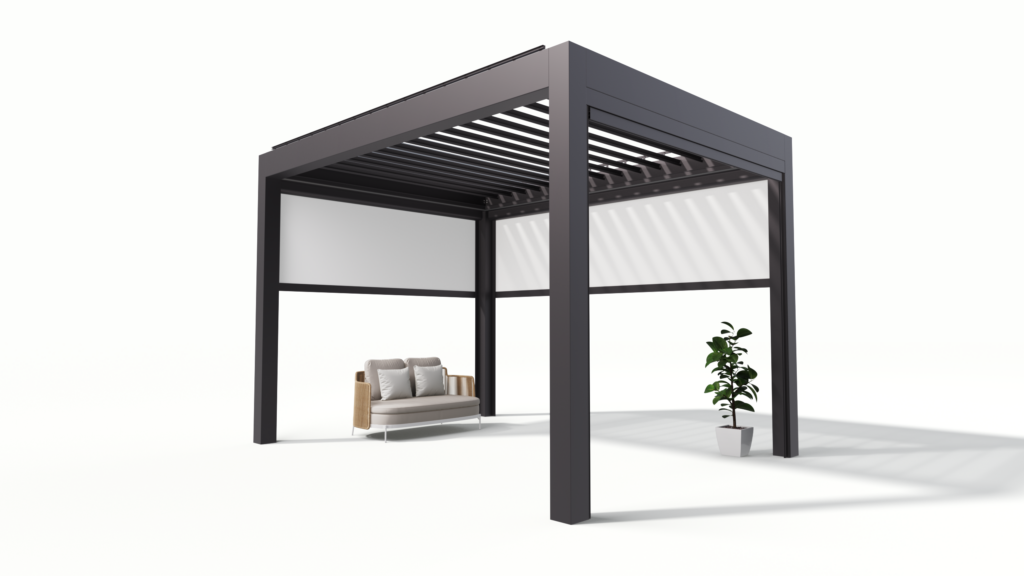
Wood looks right on a farmhouse. It dents and needs care. Aluminum won’t rot and takes paint well; it can bend under cheap joins. Steel gives you brute strength but rusts slow if not treated. Ask suppliers for exact alloy or grade, bolt specs, and how they seal cut ends. If they dodge those answers, move on. Concrete bases, proper footings, and corrosion ratings aren’t optional—they’re the difference between one season and a decade.
Solar, wiring, and real integration
Solar-friendly pergolas change the buying logic. Some sellers bolt panels on top and call it done; others integrate channels, inverter spaces, and wiring paths into the frame. Compare how the panels are mounted, whether the rail system lets panels ventilate, and if the supplier offers matched inverters or leave-you-to-figure options. Ask for expected output numbers for your region, not glossy peak watts. That difference tells you who understands panels and who’s selling parts.
Credentials, track record, and one real-world anchor
I’ve seen jobs succeed and jobs fail; one consistent truth is that proven track records matter. Look for certifications like UL listings and corrosion ratings, ask for references with photos of finished builds, and check whether installers follow local codes. For example, installers along California’s Central Coast report heavy emphasis on salt-air finishes and hurricane bolts—those site-driven fixes matter. If a supplier can’t point to a recent outdoor pergola project or won’t share a local reference, treat that as a warning.
Warranties, spare parts, and long-term thinking
Compare warranty length and what it covers. A ten-year rust warranty that needs paid shipping for parts is worse than a five-year with free replacement labor. Ask who stands behind installation mistakes. Will the supplier send a local crew or fly out a rep? Check spare-part availability. If bolts, slats, or motor parts are unique to a maker, that’s a future headache.
Installation, timelines, and on-site realities
Get clear timelines and a step-by-step plan. Does the supplier handle footings and permits, or hand you a crate and leave? Compare lead times during peak season; some companies list “4–6 weeks” but actually mean 12. Ask about staging space, crane needs, and access. If they won’t walk the site or ask for photos, they’re guessing—and guessing on a build like this costs you later.
Common mistakes buyers make
Buying the prettiest sample without checking the frame specs. Choosing the cheapest quote that’s vague about materials. Assuming solar panels come with full wiring and grid hookups. Ignoring local wind and salt conditions. Not checking for clear, written scope of work. These aren’t small slips; they’re where extra costs hide.
How to score suppliers quickly
Make a one-page checklist. Score materials, solar integration, certifications, lead time, local references, warranty, and spare-part policy. Give each item a weight based on what you need—if you live near the coast, corrosion and finishes get extra weight. Use that to compare quotes side by side. Don’t let marketing photos replace hard specs.

Practical wrap-up
Compare facts, not promises. Match build specs to the site, insist on clear warranty terms, and verify real installations nearby. The best supplier isn’t always the cheapest; it’s the one whose details line up with your ground realities and who keeps parts available long after the first season. For suppliers that get those steps right, the work ends with a solid roof over your porch and a solar setup that behaves like a neighborly investment—exactly the kind of value a maker like Light Hunter aims to deliver.