
Introduction: The Night You Need to Own the Sky
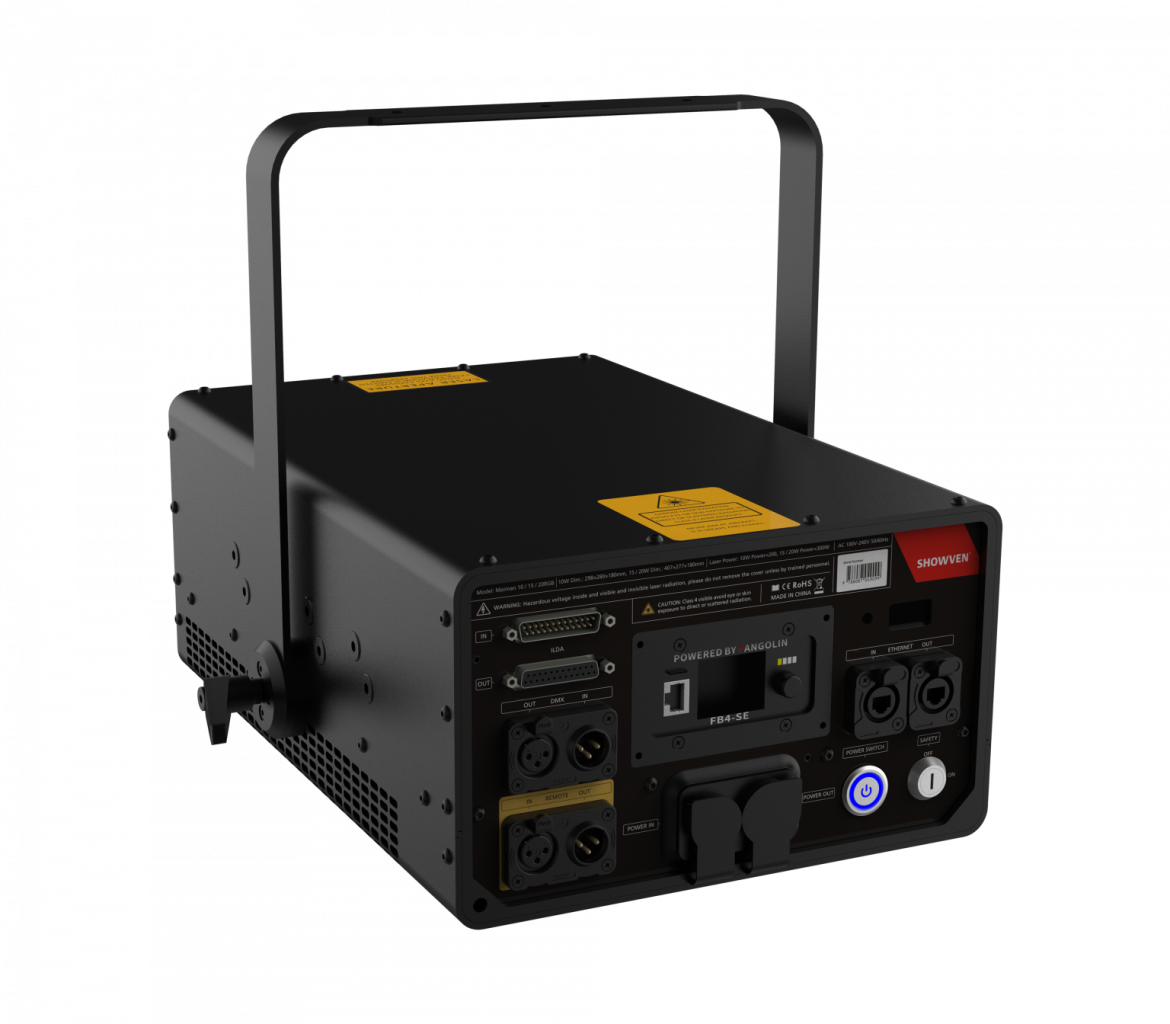
You’ve sold out the arena and the countdown clock is ruthless. Stage Laser Lights are the heartbeat that turns a good set into a story people tell for months. Here’s the twist: audience memory favors visuals by up to 65%, and concert lasers are often the most shared images after a show. Yet many teams still treat lasers like “add-on sparkle” rather than the visual engine of the stage. That’s risky. When beam divergence isn’t tuned or the DMX512 map is messy, those cues you planned? They smear, lag, or miss the drop. So, what’s the simple move that gets you from “bright” to “breathtaking” (without a bigger truck)? Look, it’s simpler than you think. Align the design to human sightlines, clock timing to the audio grid, and give the lasers the same respect as the PA.
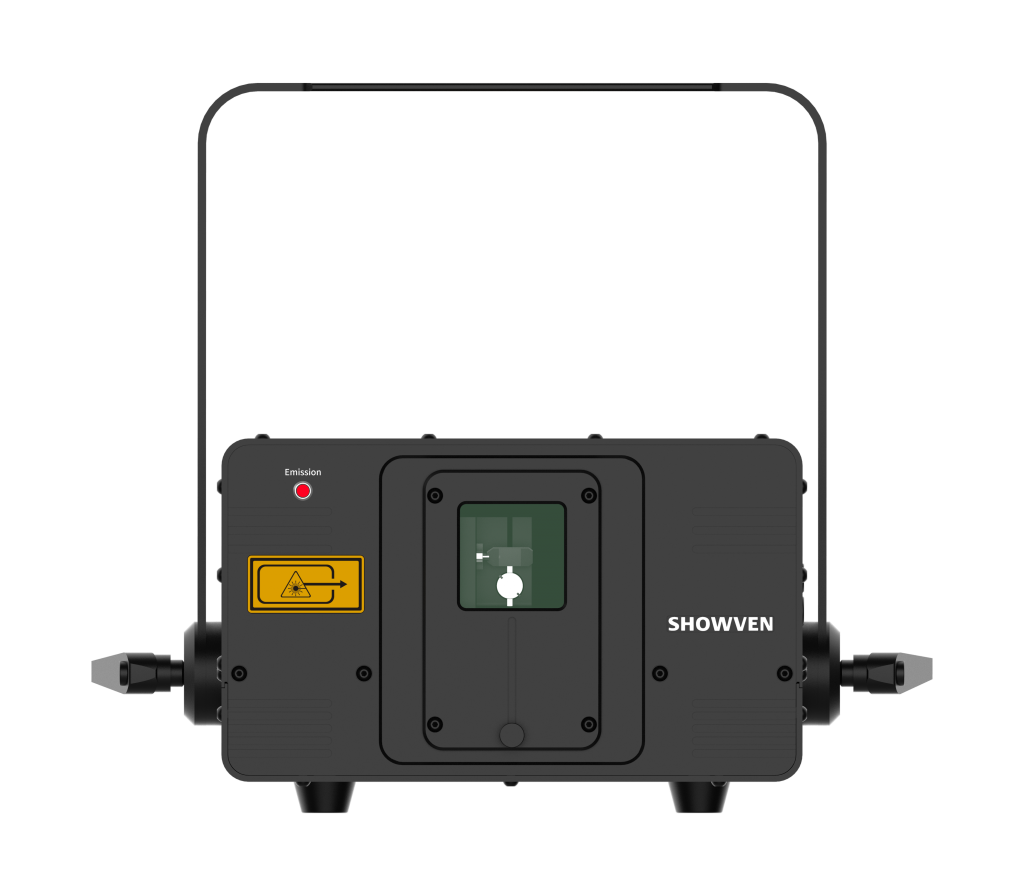
This guide takes a comparative lens—old habits versus modern practice—and shows where the real gains live. Let’s zoom in and fix the hidden friction first, then leap forward.
Why Traditional Rigs Trip Up (And What You Don’t See)
Where do older setups stumble?
Legacy concert lasers often struggle long before doors open. The usual suspects: slow galvanometer scanners that can’t keep scan rates stable at higher kpps; beam divergence left at factory defaults; and DMX512 chains that choke when cue density spikes. Add in under-spec’d power converters that sag under load and you get flicker right when the bass hits. And yes, safety interlocks sometimes get bypassed “for rehearsal speed” (don’t). The result is a show that looks fine at center, mediocre at the wings, and inconsistent in the cheap seats—a classic coverage trap. Old-school fixture clustering also multiplies alignment work. One bump to a truss and the whole matrix drifts a degree or two, which the audience reads as “fuzzy.”
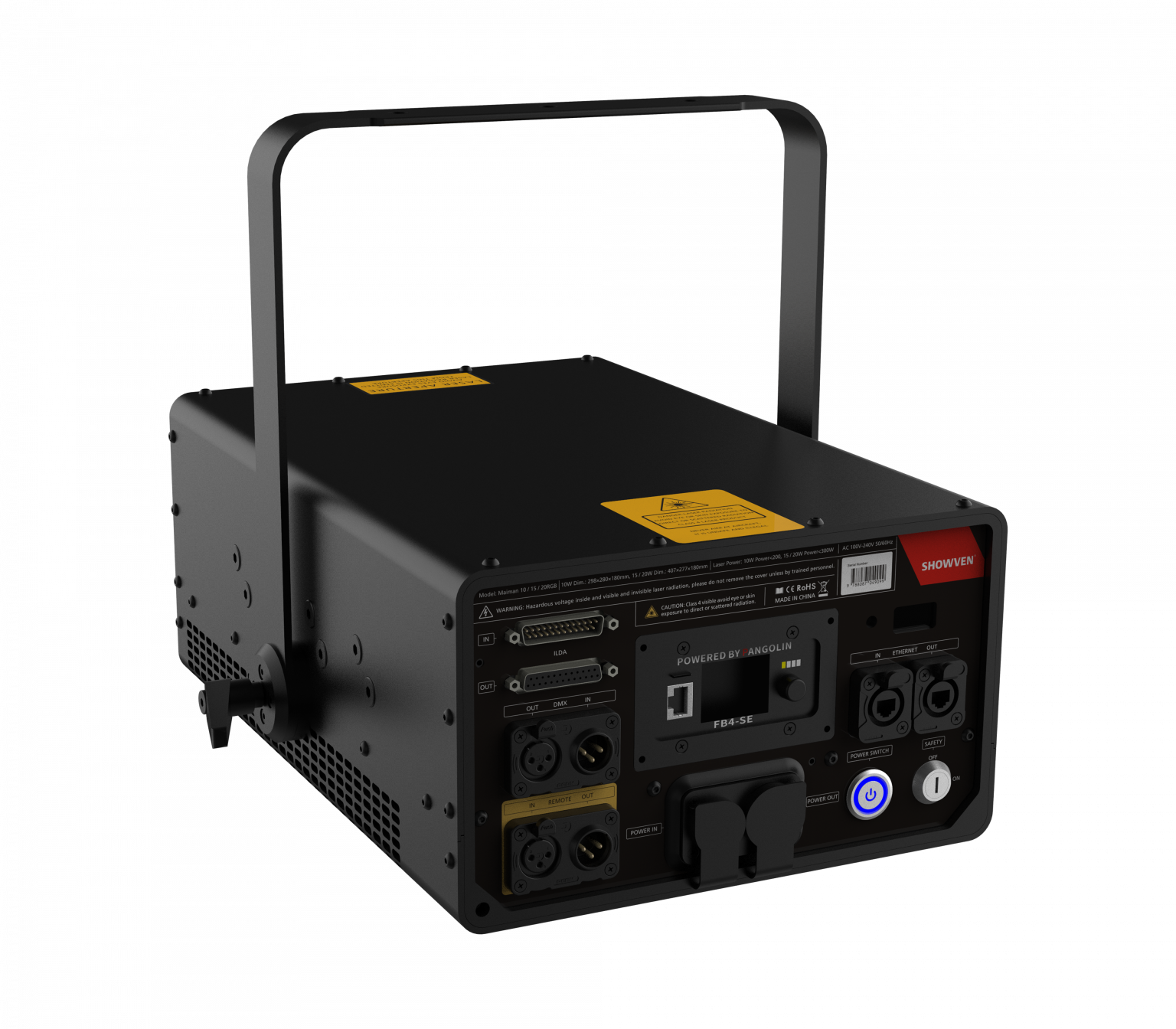
The deeper pain is invisible: control latency. Many rigs run cues through long DMX chains, then into middleware, then to laser controllers. Each hop adds milliseconds. Add audio clock drift and your pristine hit becomes a near-miss. Another flaw is thermal behavior. If cooling is reactive, scanners throttle mid-song, degrading point density and line sharpness. The fix is not more fixtures—it’s smarter flow. Map zones to viewing angles, cap maximum scan angle to keep luminance punch, and use timecode with a clean master clock. Calibrate beam profiles per zone, not per fixture. And plan your optical attenuation early so you can push brightness where the venue actually needs it—not just where it’s convenient. That’s how you turn “lots of light” into legible geometry.
Comparative Outlook: New Principles, Real Gains
What’s Next
Modern systems flip the script. Instead of brute force, they lean on new control principles: frame-accurate timecode, DSP-based signal paths, and predictive thermal management. Pair that with IP65 housings and better airflow paths and scanners stay stable through the last encore—funny how that works, right? With contemporary laser stage lights, you can keep beam quality tight by limiting extreme scan angles and maintaining optimal beam divergence across zones. You also get smarter fail-safes. Interlock logic, E-stop circuits, and calibrated audience scanning modes keep compliance front and center. Meanwhile, hybrid control (timecode + Art-Net/DMX + local buffers) reduces jitter when cues pile up. The contrast versus older rigs is stark: fewer fixtures, cleaner vectors, and scenes that hold shape across distance. It’s not magic; it’s disciplined optics and cleaner signal paths.
Let’s land it with choices you can act on. First, evaluate scanner performance under real load, not brochure kpps—look for sustained vector accuracy, not just peak speed. Second, verify power headroom. You want converters and PSU rails that don’t droop when multiple cues fire. Third, test control latency end-to-end: audio clock, timecode, controller, network, and projector response. If it holds sync within a few milliseconds across the rig, your hits land. Summed up: we moved from “more fixtures” to “more intention,” from long DMX chains to timecode-centric control, and from set-it-and-pray cooling to predictive stability. That shift yields sharper geometry, better audience coverage, and safer shows. For deeper specs, product roadmaps, and real-world case setups, you can start with Showven Laser.